Solar Powered vs. Hardwired House Numbers: Which Address Light Is Right for You?
Solar powered house numbers are the address light that is right for you if the mount sees sun: they use a 600mAh NI-MH battery, $0 DIY install, and no household circuit. Hardwired house numbers are right if every street-facing surface is permanent shade. This comparison of solar powered vs hardwired house numbers is about which address light you will still see from about 50 feet at 10 p.m.
Which address light matches the lot
Which is right for you is a site question. A south wall, open mailbox, or yard post makes solar powered the default. A deep north porch with existing wiring makes hardwired the adult choice. Mixing is allowed: solar on the box, hardwired by a dark door.
Solar powered units include intelligent light sensors, warm LED illumination, IP44 ABS and PC housing, and included screws. Listed price is $24.99. Hardwired address lights can look built-in and still need an electrician if no box exists. This article will not invent labor rates; they are not $0 DIY.
Glow stickers are neither solar powered nor hardwired lighting. They are not the address light that is right for night.
Decision cues
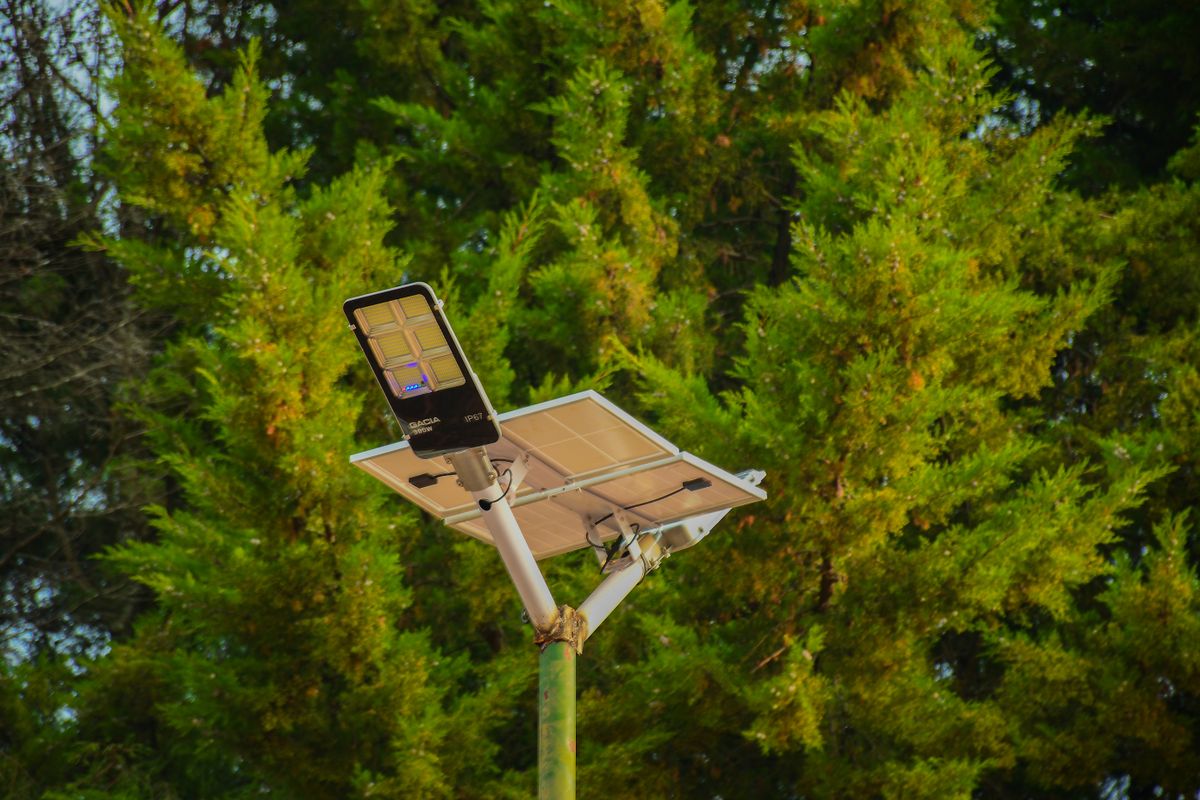
Photo by finix photographer on Pexels
Right for you if you travel: solar, because dusk-to-dawn does not wait for you to flip a switch. Right for you if the HOA forbids extra wall boxes: solar, smaller DIY. Right for you if trees will never be cut: hardwired, because a solar plaque in a cave is the wrong light.
Solar powered vs hardwired vs glow vs mounts
| Address light | Right for you when | Install | | --- | --- | --- | | Solar powered house numbers | Sun on wall, mailbox, or yard | $0 DIY | | Hardwired house numbers | Permanent shade, existing circuit | Wiring | | Glow stickers | Never as the night plan | Peel | | Porch lamp on unlit digits | The lamp already hits the numbers | Already there | | Mailbox solar | Curb-first lots | DIY | | Yard solar | Long or shared drives | DIY |
Solar powered vs hardwired house numbers is which address light matches sun and wiring, not which photo looks richer at noon.
Placement, visibility, and install checklist
- [ ] Map sun on the intended address light location.
- [ ] If sun exists, choose solar powered.
- [ ] If shade is forever, choose hardwired.
- [ ] Confirm the first street view: wall, mailbox, or yard.
- [ ] Keep solar sensors out of floods so the "right" light actually turns on.
- [ ] Use positioning paper for solar DIY.
- [ ] Recheck from about 50 feet after dark.
- [ ] Do not use glow stickers as a tie-breaker.
- [ ] Revisit the choice if you add trees or a porch roof later.
Frequently asked questions
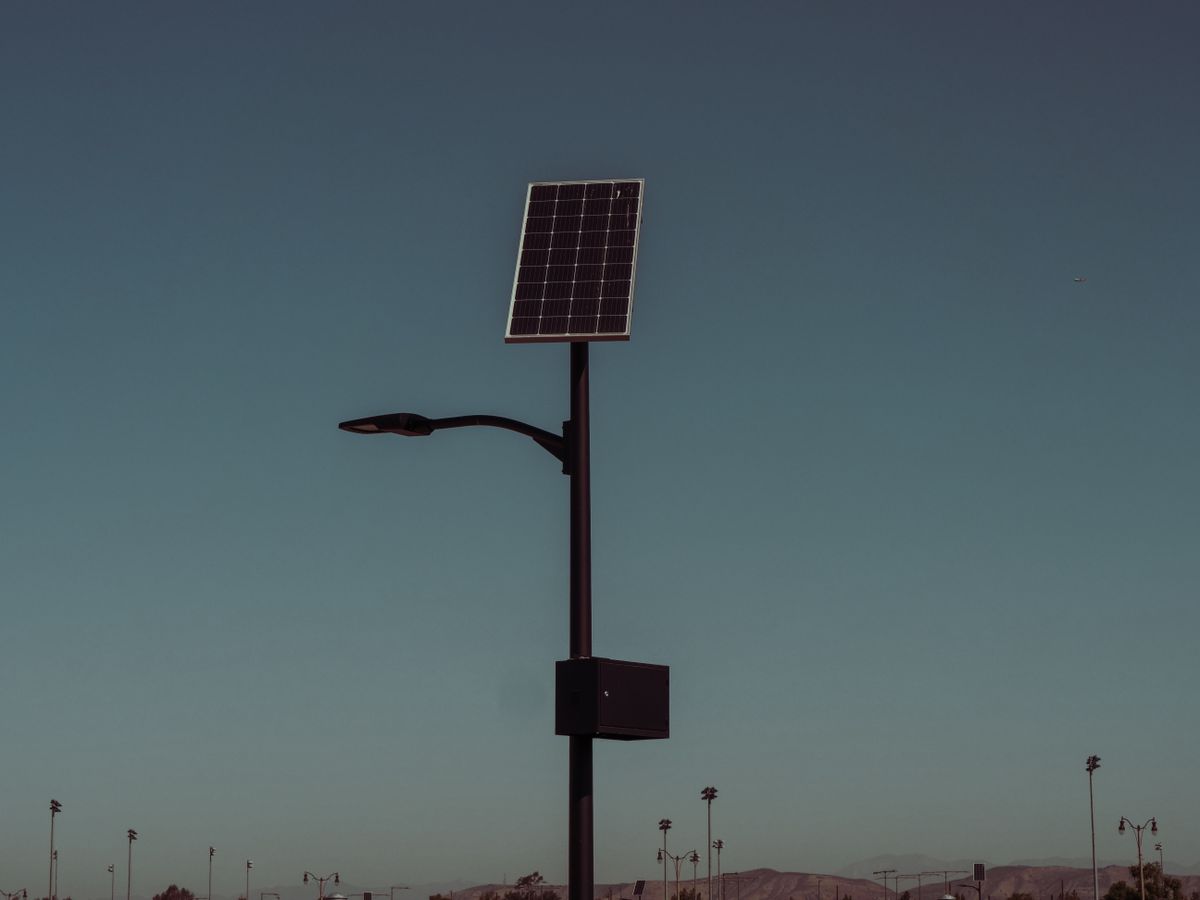
Photo by Kindel Media on Pexels
Which address light is right for a rental?
Solar powered. You can take it with you and you skip wiring.
Can I start solar and add hardwired later?
Yes. Solar powered house numbers do not block a future circuit.
Is hardwired always brighter?
Not specified here. Right for you is reliability in your light conditions, not a lumen contest.
What if I have sun only on the mailbox?
Then solar powered on the mailbox is the address light that is right, even if the house wall is shaded.
Do I need both types?
Only if two decision points have different power stories.
Related reading
- solar vs wired house numbers
- solar vs hardwired energy efficiency FAQ
- why homeowners need solar address signs
- how to install solar lighted house numbers
What to do next
If the street-facing mount sees sky, solar powered house numbers are the address light that is right for you. If it does not, plan hardwired. Do not split the difference with glow stickers that fail both sides of this comparison.
Cover photo by 🇻🇳🇻🇳Nguyễn Tiến Thịnh 🇻🇳🇻🇳 on Pexels.