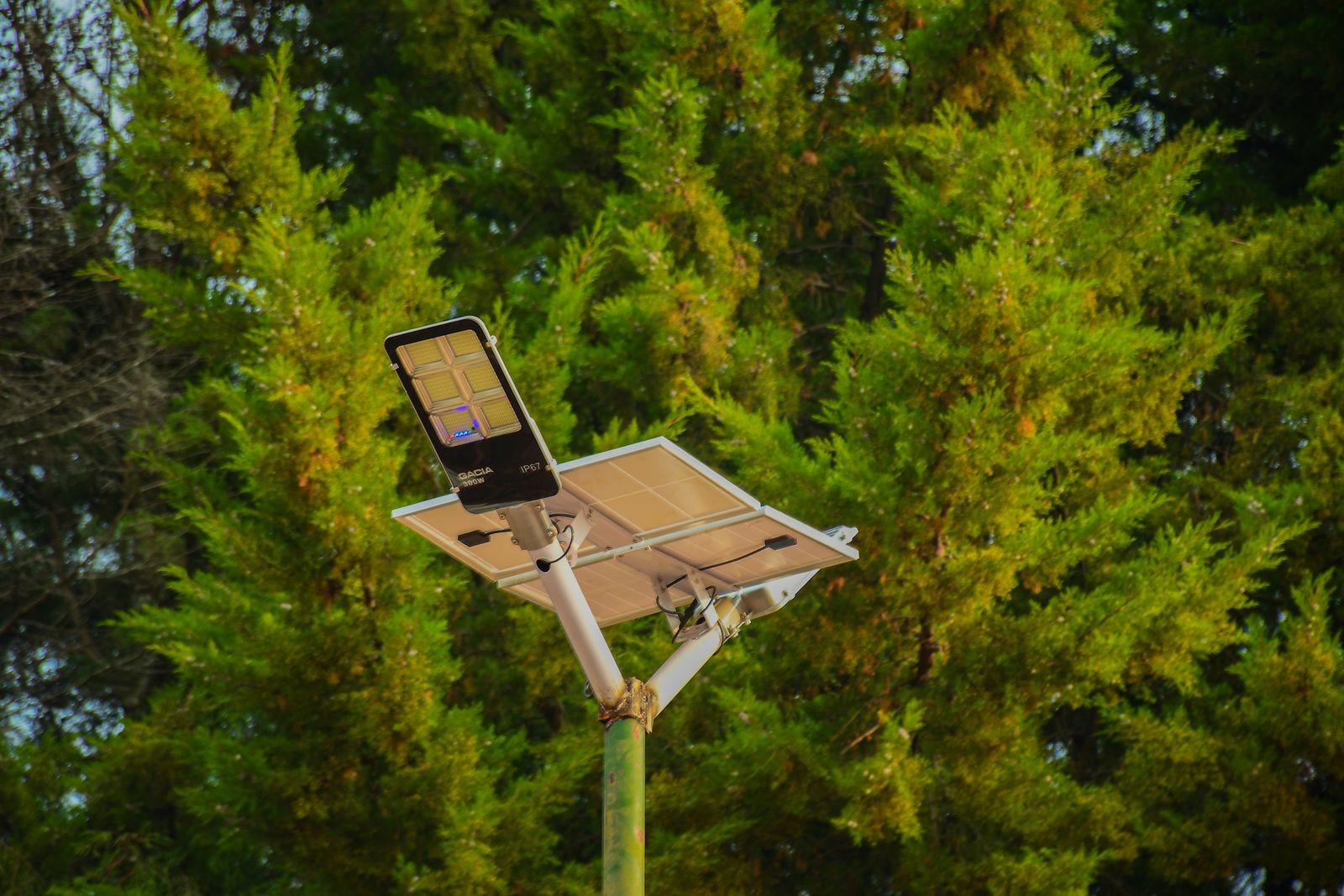
Solar vs. Hardwired House Number Lights: Energy Efficiency, Battery Storage, and Cost Comparison
Should you choose solar or hardwired house number lights? For most homes with 6–8 hours of daylight exposure, solar address signs are the best choice—offering zero operating costs, automated dusk-to-dawn operation, and quick DIY mounting without the $150–$350 electrician fee required for hardwiring.
Technical & Operational Comparison: Solar vs. Hardwired Address Lights
| Scenario / Operational Condition | Solar Lighted House Numbers (600mAh NI-MH) | Hardwired House Numbers (12V / 120V) |
| --- | --- | --- |
| New wall mounting without pre-existing junction box | 10-minute DIY installation using included screws and positioning paper; $0 labor cost. | Requires licensed electrician to route conduit, cut drywall, and install junction box ($150–$350+). |
| Grid power outage during severe storm or emergency | Operates independently off internal 600mAh NI-MH battery storage; stays illuminated for 12 hours. | Fails completely during power outages unless connected to a home backup generator system. |
| Sub-zero winter conditions & rain/snow exposure | IP44 waterproof ABS & PC housing shields electronics; charges via ambient diffused daylight. | Enclosure weatherproofing varies; exposed 12V transformers are prone to moisture corrosion over time. |
| Primary system failure modes & repairs | Failure mode: Shaded solar panel or battery degradation after 3+ years; fixed with simple $5 battery swap. | Failure mode: Burned-out low-voltage transformer or hidden wire short; requires professional diagnostic callout. |
| Ongoing electrical utility draw & cost | Zero continuous grid draw ($0.00/year operating cost). | Constant 3W–10W power draw adds $5–$18 per year to utility bills depending on local electric rates. |
Compare the core performance metrics, installation friction, failure risks, and long-term operating costs between self-contained solar house numbers and traditional wired address light fixtures.
Failure Modes & Trade-offs: Solar vs. Wired Address Signs
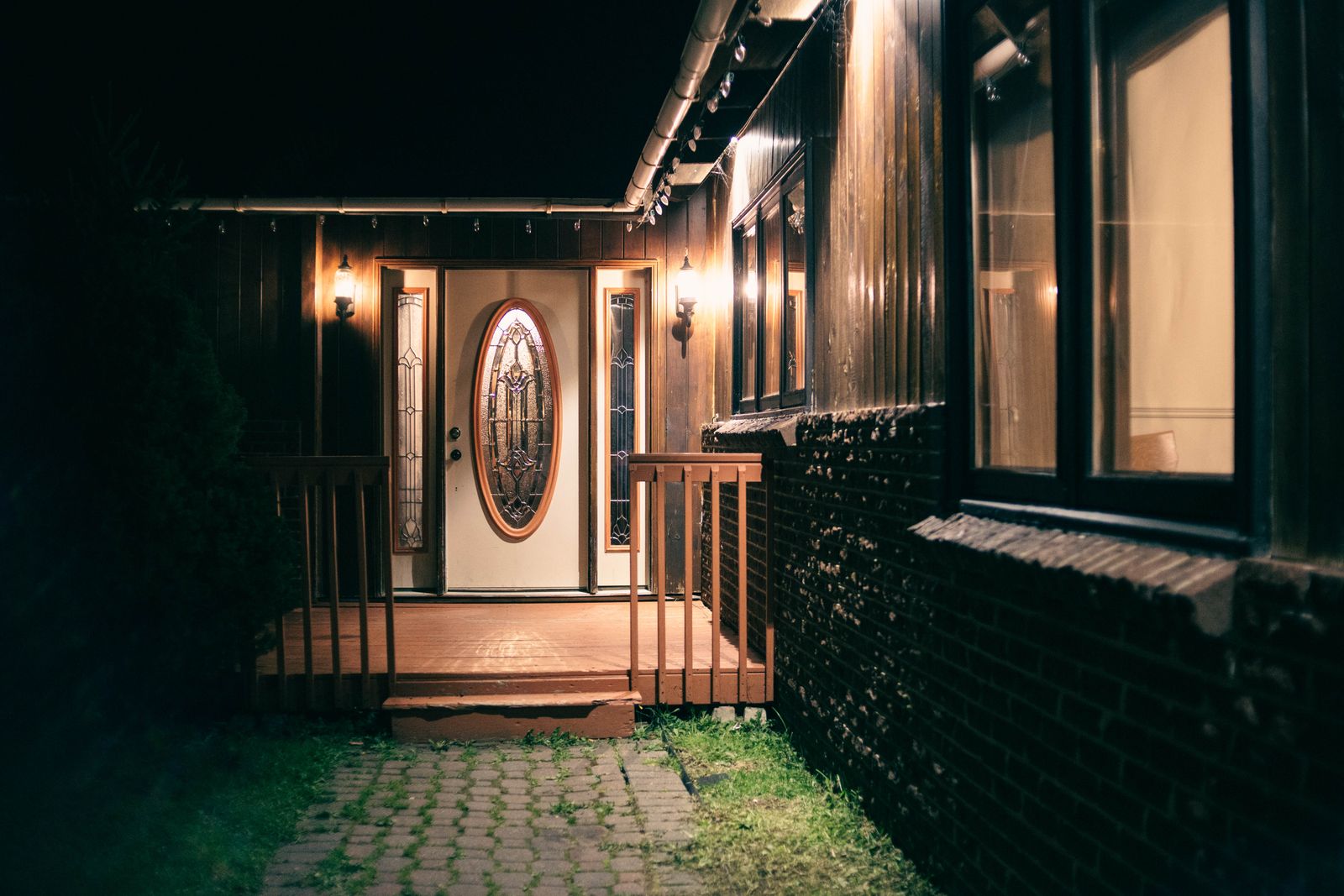
Photo by Erik Mclean on Pexels
Understanding where address signs fail is critical to selecting the right technology for your home. While hardwired systems offer constant power, their failure modes are expensive and invasive to fix. Solar systems eliminate electrical grid risks but depend on adequate daylight exposure.
Expert Field Tip: Sunlight vs. Wiring Friction
Before booking an electrician or purchasing hardware, evaluate your exterior wall between 10:00 AM and 2:00 PM. If the mounting surface receives ambient or direct daylight, choosing a self-contained solar address sign saves you hundreds of dollars in electrical labor while ensuring your house numbers stay bright even during power outages.
Action Plan: Selecting Your Address Lighting
Your decision: Determine if your exterior wall gets at least 6 hours of unshaded daylight.
Do this next: If your wall receives daylight, select a stylish solar address sign to skip electrician wiring costs.
Related resource: Check your local municipal requirements for house number visibility and height standards.
Solar Lighted House Numbers (Stylish Black and White design with 600mAh NI-MH battery and IP44 waterproofing).
Follow these practical steps to evaluate your home's mounting location and select the right address sign.
Key Takeaways: Solar vs. Hardwired Comparison
- Installation Savings: Solar house numbers install in under 10 minutes without cutting walls or hiring electricians, saving $150 to $350 in labor fees.
- Power Grid Independence: An internal 600mAh NI-MH battery charges in 6–8 hours of sunlight to deliver 12 hours of warm LED light throughout the night.
- Emergency Reliability: Solar address signs remain illuminated during neighborhood power outages, ensuring emergency responders find your residence quickly.
- Weatherproof Durability: Constructed from high-grade ABS & PC with an IP44 waterproof rating, built to withstand snow, heavy rain, and harsh UV exposure.
- Automated Operation: Built-in dusk-to-dawn light sensors turn illumination on automatically at dusk and off at sunrise without manual intervention.
Decision Framework: Which System Should You Buy?
Choose solar address lights if you have 6–8 hours of ambient or direct sunlight on your exterior wall and want to avoid $150–$350 electrician fees. Choose hardwired if your mounting surface is in permanent shade under deep soffits where solar charging is impossible.
Best choice for
- Solar Lighted House Numbers — Requires zero grid power or wiring, charges in 6-8 hours, and provides 12 hours of automated dusk-to-dawn illumination.
- Hardwired Low-Voltage Lighting — Provides constant illumination without requiring direct sunlight on the wall surface.
- Avoid solar address signs if the wall surface receives zero ambient light year-round (e.g., inside an enclosed breezeway).
- Avoid hardwired address signs if you want a DIY installation without cutting drywall or paying licensed electrician fees.
- Battery-only non-solar illuminated signs — Requires manual battery swaps every few weeks; significantly higher lifetime maintenance than solar.
Recommended Solar Address Solution
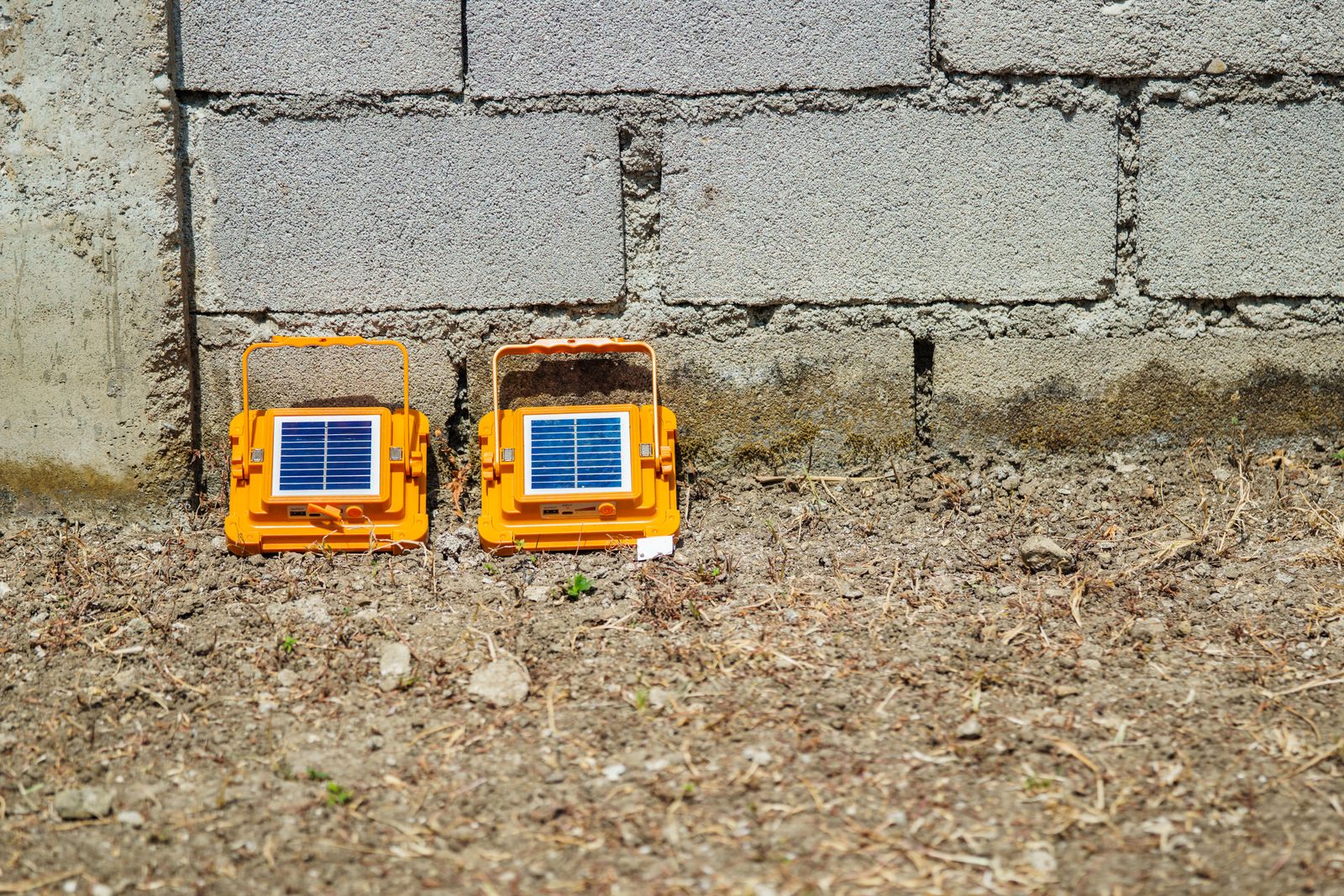
Photo by Nothing Ahead on Pexels
For homeowners seeking clear visibility, modern styling, and simple setup, the primary recommended option delivers complete grid-free reliability.
Real-World Installation Scenarios
Scenario A: Replacing numbers on a brick facade without wiring — Use Solar Lighted House Numbers. The included positioning paper and masonry-compatible mounting anchors allow setup in 10 minutes, avoiding expensive brick drilling for electrical conduit.
Scenario B: Suburban home under tree canopy with diffused daylight — Solar address signs with 600mAh NI-MH batteries absorb ambient diffused daylight efficiently, gathering adequate charge even through light foliage.
Scenario C: Deep porch or fully covered entry overhang — If mounted under a wide porch roof that blocks all daylight, place the solar sign on an outer garage pillar or lawn fence post to ensure full sunlight exposure.
How solar address lights perform across common home exterior setups.
When comparing exterior address lighting, evaluating total cost of ownership goes beyond the initial retail price. Homeowners must weigh initial installation friction, daily energy draw, weather resistance, and emergency reliability.
The Failure Modes of Hardwired Address Lighting
Legacy hardwired address signs are often assumed to be maintenance-free, but field experience reveals significant failure points. A low-voltage (12V) or line-voltage (120V) wired sign relies on a continuous electrical pathway from your breaker panel or transformer. Common failure modes include:The Solar Alternative: 600mAh Battery Storage & Energy Efficiency
Modern solar house numbers bypass the electrical grid entirely. Surface-integrated photovoltaic cells harvest energy throughout the day, transferring energy into a high-capacity 600mAh NI-MH rechargeable battery.- Charge Cycle: 6–8 hours under sufficient daylight fully charges the 600mAh capacity.
- Discharge Duration: The energy-efficient warm LED circuit draws minimal power, providing up to 12 full hours of illumination across the night.
- Automatic Dusk-to-Dawn Control: An integrated intelligent light sensor detects falling lux levels, turning the warm LEDs on at dusk and shutting them off at sunrise to conserve battery life.
Material Science & IP44 Weather Resistance
Outdoor hardware must withstand extreme climate variations. Quality solar house numbers utilize a durable blend of ABS (Acrylonitrile Butadiene Styrene) and PC (Polycarbonate) polymers. This combination offers high impact resistance against hail or accidental impacts while preventing UV degradation and yellowing.With an IP44 waterproof rating, the enclosure is protected against splashing water from rain or garden sprinklers and prevents dust ingress. Snow and frost slide easily off the angled solar surface, allowing top-mounted solar cells to resume charging as soon as winter sunlight appears.
Financial ROI: Solar vs. Hardwired Installation Costs
Installing a hardwired fixture where no existing junction box exists requires hiring a licensed electrician. In the United States, contractor hourly rates average $75 to $120 per hour, with typical minimum service calls ranging from $150 to $350 plus material fees.By contrast, a Solar Lighted House Numbers sign requires zero contractor labor. Everything needed for setup—including mounting screws and positioning paper—is included in the box, making it a fast 10-minute DIY project with zero recurring electricity expenses.
Related Guides & Resources
- Solar vs. Hardwired House Number Lights: Energy Draw & Cost Comparison
- Solar House Numbers vs Hardwired Address Lights: Which Is Best?
- Solar House Number Battery Optimization & Panel Efficiency Guide
Frequently Asked Questions About Solar vs. Wired House Number Lights
Answers to common homeowner questions regarding battery performance, installation, and winter reliability.
Next Steps: Upgrade Your Home Address Visibility
Your decision: Determine if your mounting surface receives direct or ambient daylight.
Do this next: Order your Solar Lighted House Numbers sign today for rapid DIY installation without electrician fees.
Related resource: Check your local municipal visibility requirements for address digit height.
Solar Lighted House Numbers (Black & White ABS/PC Design, Warm Light LED, 600mAh NI-MH Battery).
Take action today to make your house easy to find for visitors, delivery drivers, and emergency responders.
Cover photo by finix photographer on Pexels.