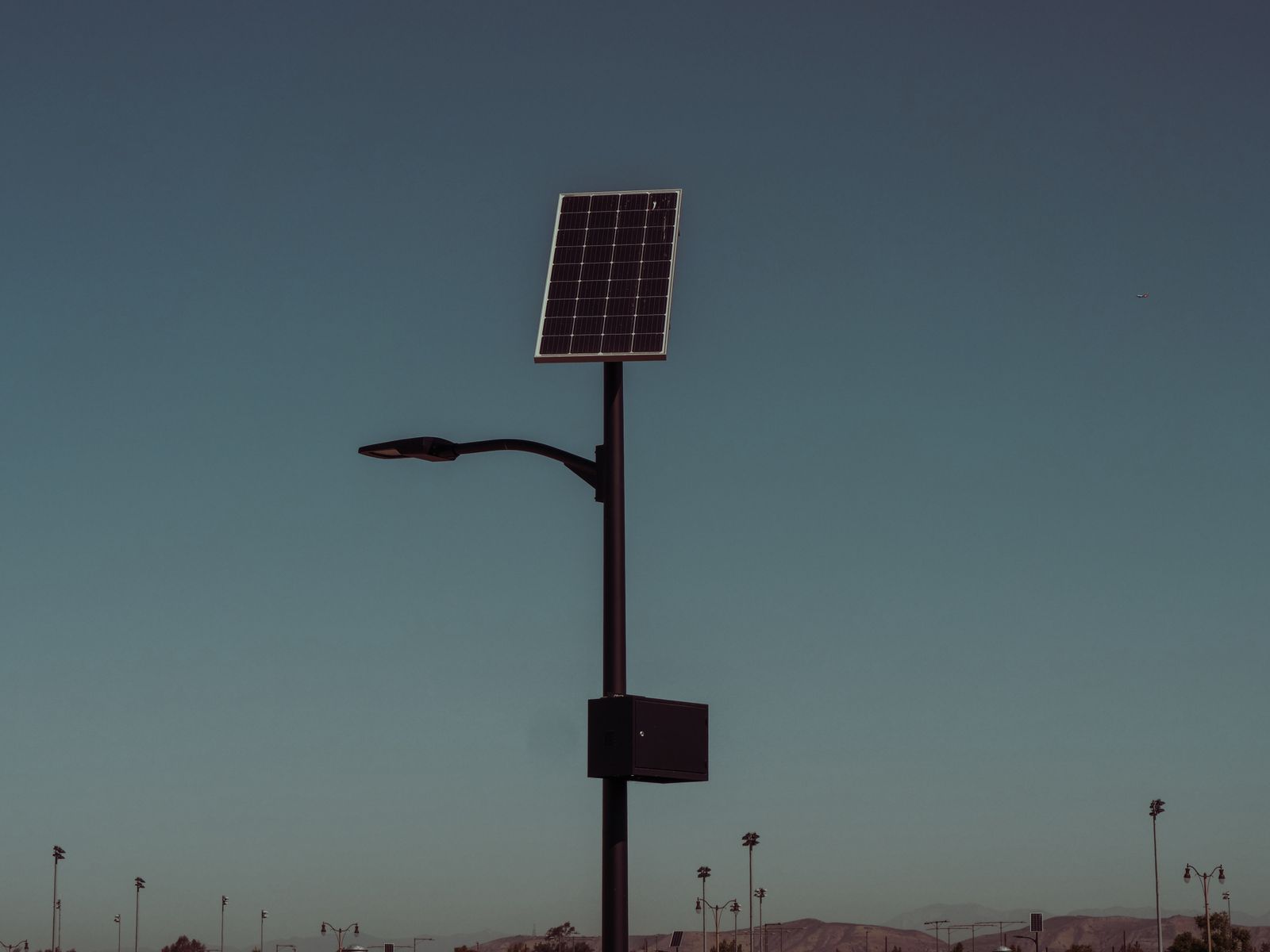
Solar vs. Hardwired House Number Lights: Energy Draw & Cost Comparison
Solar house number lights beat hardwired house number lights on energy draw and cost for most homes because they use a 600mAh NI-MH battery filled by the sun and a $0 DIY install, while hardwired fixtures pull house power and usually need an electrician. This energy draw and cost comparison still gives hardwired a role in deep shade. For a sunlit wall, mailbox, or yard, solar lighted house numbers at $24.99 are the lower-cost night marker.
Energy draw: panel versus breaker
Solar has no ongoing household energy draw. The panel charges the cell; warm LED illumination spends that stored energy at night. Hardwired house number lights draw from the panel even if the LED is efficient. That draw is small on a monthly bill and real on a circuit you have to run through siding.
Cost comparison has two layers. Product: this solar class is $24.99. Install: estimated $0 DIY with included screws and positioning paper. Hardwired cost is the fixture plus labor if no box already sits on the street face. This article will not invent electrician rates; it will say they are not $0 DIY.
Glow stickers have near-zero energy draw and near-zero night performance. They are not a third winner in this cost comparison.
When hardwired still wins
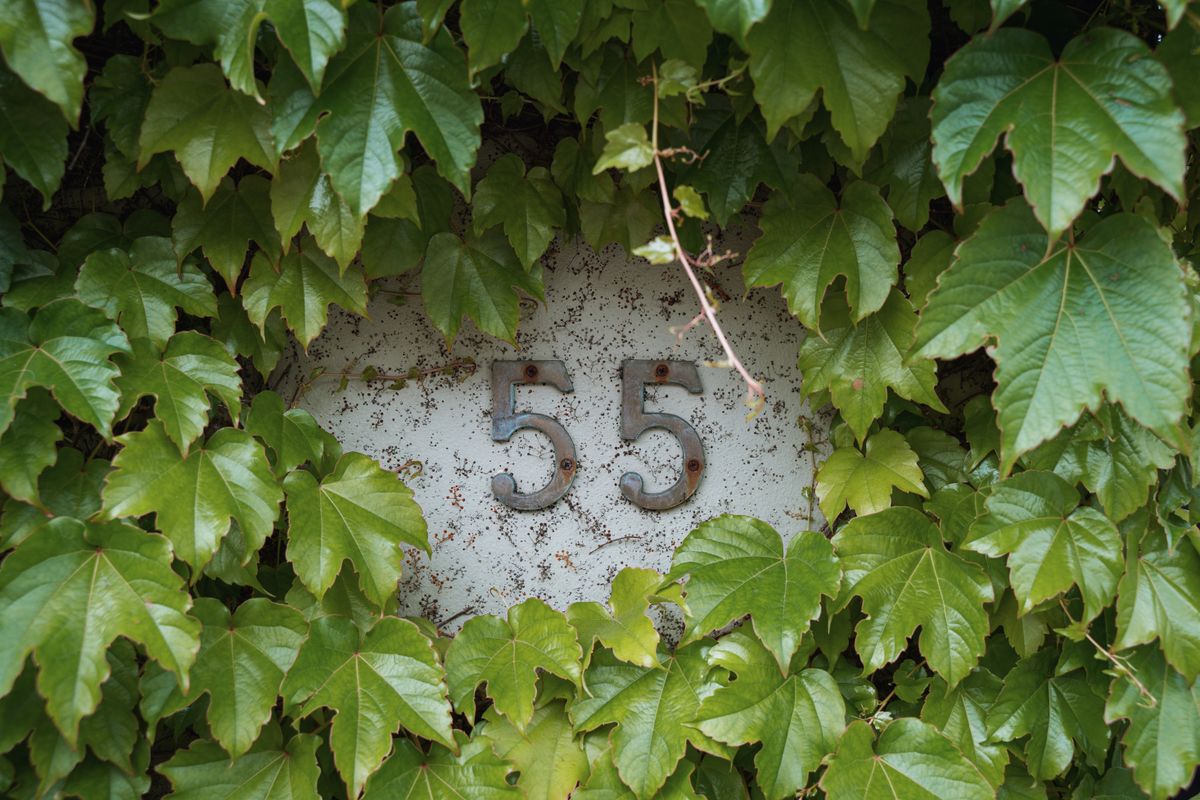
Photo by Gilberto Olimpio on Pexels
If no mount sees sun, energy draw on the house is the price of a reliable address. A hardwired photocell lantern on a dark north wall can outperform a solar plaque that never charges. If a porch already has a switched light grazing the numerals, you may already own the energy draw and only need better contrast.
For everyone else, solar vs hardwired is decided by the lot: sun and a street view beat a new cable.
Energy draw and cost comparison table
| Option | Energy draw | Cost shape | Best when | | --- | --- | --- | --- | | Solar house number lights | None on the bill | $24.99, $0 DIY | Sunlit wall, mailbox, or yard | | Hardwired house number lights | House circuit | Fixture + wiring labor | Permanent shade | | Glow stickers | None | Cheap, weak night | Temporary | | Existing porch lamp on unlit numerals | House circuit | Already paid | Only if it actually hits the digits | | Dual solar (box + house) | None on the bill | Two DIY units | Long drives | | Unlit plaque | None | Looks done, dark at night | Daytime only |
Solar vs hardwired house number lights is an energy draw and cost comparison with a placement asterisk: no sun, no solar savings.
Placement, visibility, and install checklist
- [ ] Check sun on the intended wall, mailbox, or yard.
- [ ] If sun exists, choose solar to avoid house energy draw and wiring cost.
- [ ] If shade is permanent, budget hardwired rather than a dead solar plaque.
- [ ] Confirm about 50 feet of street readability either way.
- [ ] Keep solar sensors out of porch glare so the "free" energy is not wasted.
- [ ] Use positioning paper for the $0 DIY solar path.
- [ ] Do not count glow stickers as a cost-saving night light.
- [ ] Recheck after dark from the street.
- [ ] Keep IP44 gaskets seated so weather does not create a replacement cost.
Frequently asked questions
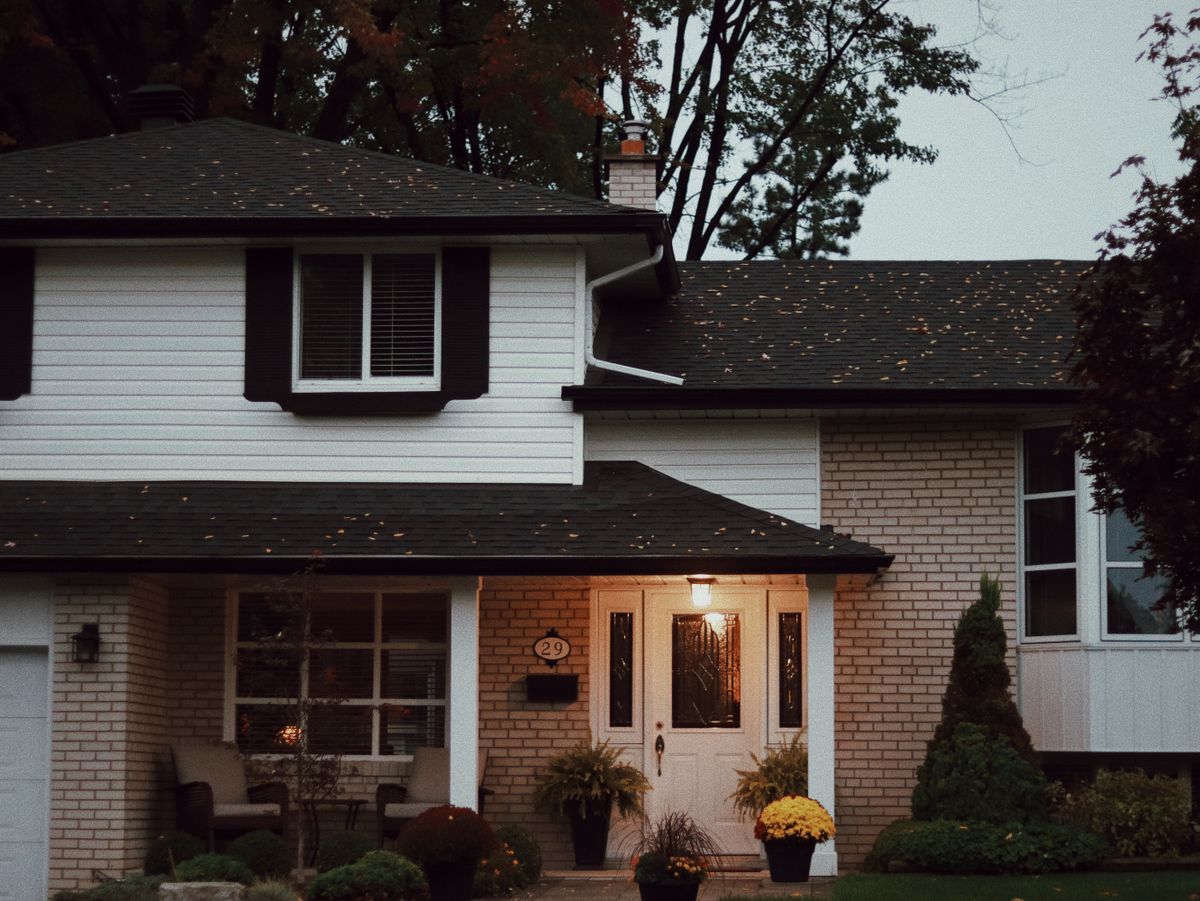
Photo by Dalia Al-Refai on Pexels
Do solar house number lights really have zero energy draw?
Zero on the household bill. The 600mAh NI-MH battery is filled by the panel, not the breaker.
Is hardwired always more expensive?
If a box and switch already exist, maybe not. If you must run cable, the cost comparison favors solar.
Can I mix both?
Yes. Solar on the mailbox, hardwired on a shaded door, for example.
Does IP44 change the cost comparison?
It changes replacement risk. A sealed solar unit that survives rain keeps the $24.99 purchase from becoming an annual cost.
Are glow stickers the cheapest energy draw win?
They draw nothing and light nothing useful. Cheap is not the same as a working address.
Related reading
- solar vs hardwired energy efficiency FAQ
- solar vs wired house numbers
- why homeowners need solar address signs
- buyer's guide to solar powered address lights
What to do next
If the street-facing mount sees sun, take the solar side of this energy draw and cost comparison: $24.99, $0 DIY, no breaker. If it does not, plan hardwired house number lights instead of pretending a shaded plaque will win on cost by failing at night.
Cover photo by Kindel Media on Pexels.