Solar vs. Hardwired Lighted House Numbers: Which Best Elevates Your Entryway Decor?
Should you pay for electrician wiring to install hardwired house numbers, or rely on a zero-wire solar illuminated address sign for exterior curb appeal and delivery visibility? For 90% of modern entryways, solar lighted house numbers are the better choice. They deliver 12 hours of warm LED visibility, automatic dusk-to-dawn performance, and IP44 weatherproofing while eliminating $150–$400 electrician wiring fees and masonry damage required by hardwired alternatives.
Solar vs. Hardwired Address Signs: Direct Scenario Comparison
| Scenario / Use Case | Solar Lighted House Numbers | Hardwired Address Signs | Winner & Cost Impact |
| --- | --- | --- | --- |
| Brick or Stucco Exterior Facade | Solar requires 2 basic mounting screws with zero wire conduit drilling. | Hardwired requires cutting junction boxes and drilling through exterior masonry ($250–$450 labor cost). | Winner: Solar (Saves $250+ in masonry labor) |
| Rental or Temporary Residence | Solar installs without permanent electrical work and removes cleanly. | Hardwired requires permanent structural modifications and landlord permit approvals. | Winner: Solar (Zero structural alteration) |
| Deeply Covered North-Facing Porch | Solar needs at least 2–4 hours of indirect daylight to operate at full brightness. | Hardwired provides consistent power regardless of ambient light exposure. | Winner: Hardwired (Ideal for zero daylight spots) |
| Delivery & Emergency Visibility | Solar features automatic dusk-to-dawn sensors delivering 12 hours of constant warm LED contrast. | Hardwired requires manual wall switch flipping or external timer modules. | Winner: Solar (Automated nighttime illumination) |
| Long-Term Operating & Maintenance Cost | Solar charges via surface solar panels with $0 ongoing energy cost. | Hardwired consumes continuous grid electricity with potential transformer failure points. | Winner: Solar ($0 lifetime energy bill) |
Compare solar and hardwired illuminated address plaques across standard home exterior scenarios.
Core Trade-Offs and Failure Modes
Photo by mzk photography on Pexels
Pros
- Solar: Zero electrician fees ($150–$400 savings) and 15-minute DIY mounting.
- Solar: Intelligent photo sensor automatically turns warm LEDs on at dusk and off at dawn.
- Solar: 600mAh NI-MH battery provides 12 hours of illumination after 6–8 hours of charging.
- Solar: Weatherproof ABS & PC housing rated IP44 to withstand rain, snow, and UV rays.
- Hardwired: Continuous grid power unaffected by deep overhang shadows.
- Solar Failure Mode (Light Interference): Mounting directly under an unshielded 100W porch light can trick the sensor into shutting off.
- Solar Failure Mode (Extreme Shade): Enclosed overhangs receiving less than 2 hours of daylight will reduce night runtime.
- Hardwired Failure Mode (High Friction): High electrician fees ($150–$400) and invasive wall cutting.
- Hardwired Failure Mode (Grid Outage): Goes dark during power outages when emergency visibility is crucial.
The Verdict: Which Address Sign Belongs on Your Facade?
For the vast majority of homeowners, Solar Lighted House Numbers deliver the ideal combination of sleek curb appeal, high legibility for delivery drivers, and zero installation hassle. Unless your front doorway is completely shaded under a deep porch roof with zero access to ambient daylight, solar illuminated signs eliminate invasive wall drilling and expensive electrician fees while delivering reliable, dusk-to-dawn performance.
Decision Flowchart: Solar or Hardwired?
- Does your mounting wall receive at least 2 to 4 hours of direct or ambient daylight daily? → Yes: Proceed to next question.. No: Choose Hardwired Address Signs (bypasses solar charging constraints).
- Do you want to avoid paying $150 to $400 for a licensed electrician to run electrical lines? → Yes: Choose Solar Lighted House Numbers (100% DIY, zero wiring fees).. No: Proceed to next question.
- Is your wall material brick, stucco, or stone where electrical cutouts risk cracking exterior masonry? → Yes: Choose Solar Lighted House Numbers to protect your exterior wall structure.. No: Either option works, but Solar delivers zero ongoing operating costs.
Key Takeaways for Homeowners
- Zero Electrical Costs: Solar address plaques eliminate $150–$400 in licensed electrician labor and low-voltage wiring.
- Dusk-to-Dawn Automation: Built-in photo sensors automatically switch the warm LEDs on at dusk and off at dawn to recharge the 600mAh NI-MH battery.
- Architectural Protection: Solar signs preserve your siding, brick, or stucco from invasive electrical drilling and high-voltage junction boxes.
- All-Weather Resilience: Constructed from durable ABS & PC with an IP44 waterproof rating to withstand rain, snow, and UV exposure.
- 12-Hour Nighttime Visibility: 6–8 hours of daylight charging yields 12 full hours of high-contrast warm LED illumination for visitors, delivery drivers, and emergency personnel.
Selection Matrix by Exterior Material and Orientation
Choose solar house numbers if you want zero wire drilling, zero electrician fees, and 12-hour dusk-to-dawn illumination on any sunny or ambient-lit facade. Choose hardwired signs only if your entry plaque is permanently shaded under a deep porch or mandated by local low-voltage electrical codes.
Best choice for
- Solar Lighted House Numbers — Requires zero wall drilling for high-voltage wire, no licensed electrician fees, and installs in under 15 minutes.
- Solar Lighted House Numbers — Avoids cracking or damaging expensive exterior masonry walls with electrical junction box cutouts.
- Hardwired Lighted House Numbers — Direct wiring bypasses complete solar deprivation caused by deep roof overhangs.
- Avoid hardwired fixtures if you do not want to hire a licensed electrician or pay $150-$400 for wall wire routing.
- Avoid solar address signs if your intended mounting spot receives less than 2 hours of indirect ambient daylight daily.
- Reflective Unlit House Numbers — Zero maintenance option, but relies entirely on external headlights and lacks continuous ambient curb appeal.
Featured Solution: Modern Solar Lighted House Numbers
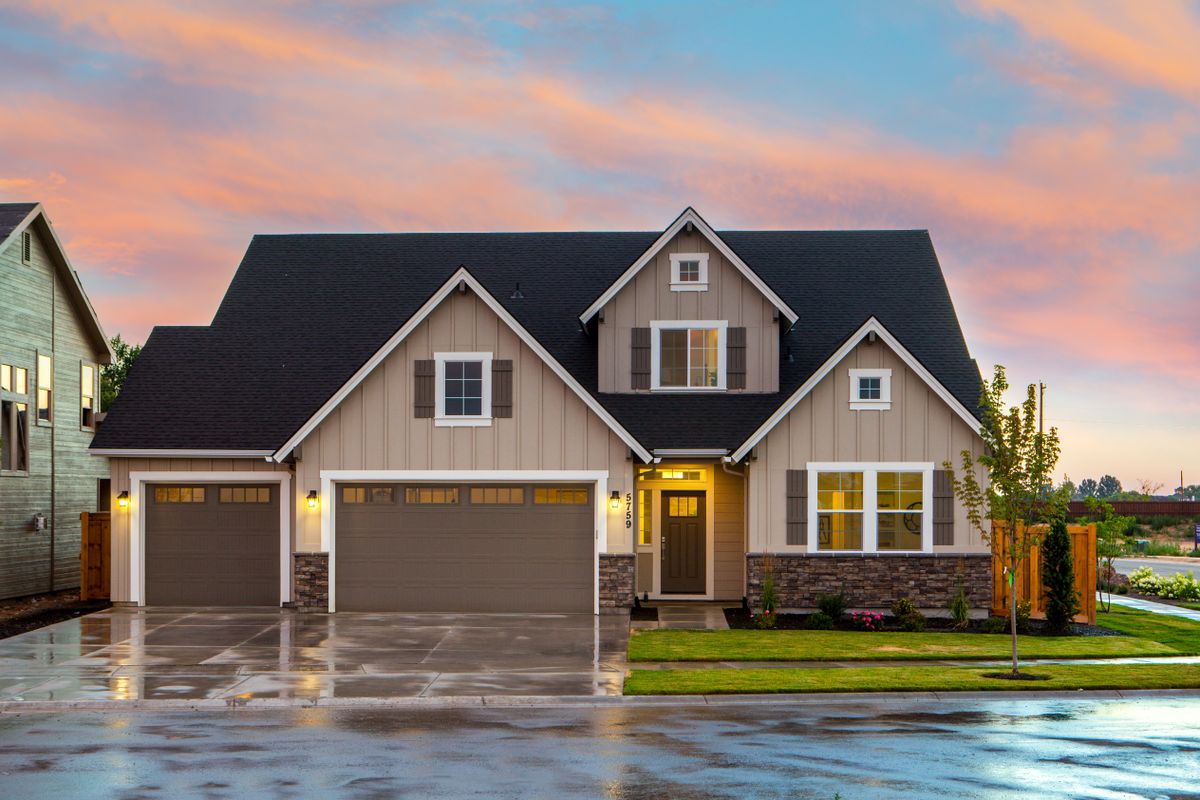
Photo by Binyamin Mellish on Pexels
Upgrade your entryway with a stylish black-and-white address sign that emits a warm LED glow at night. Engineered for max visibility, modern aesthetics, and zero-wire setup.
Real-World Installation Scenarios: Costs & Labor Analyzed
Retrofitting an Existing Brick Suburban Home — Installing a hardwired sign requires hiring an electrician to fish wires through interior insulation and bore through exterior brick, costing $300–$500 total. Opting for Solar Lighted House Numbers costs only the plaque price, taking 15 minutes to mount using standard masonry wall anchors.
Upgrading Curb Appeal on Vinyl Siding — Hardwired signs risk warping vinyl siding overlap joints and requiring interior wall drywall patching. Solar Lighted House Numbers mount directly onto siding trim or wood framing using included positioning paper, maintaining wall integrity.
Managing a Rental Property or Multi-Family Unit — Landlords cannot easily run new high-voltage exterior circuits for every unit. Solar house numbers provide immediate compliance with night visibility guidelines without permanent structural alterations or tenant disturbance.
Examining real-world installation situations highlights why solar address plaque retrofits are becoming the standard for modern home improvements.
Understanding Light Temperature and Nighttime Legibility
When choosing illuminated house numbers, lighting quality is just as important as brightness. Harsh blue or stark cold white light (6000K+) often creates intense glare that makes numbers unreadable from the street, while casting a clinical glow across your front entrance. Modern solar house numbers utilize warm LED technology. Warm white light produces a soft, inviting architectural illumination that enhances your home's exterior plaque decor while maintaining high contrast between the clean white numerals and the stylish black frame.This high-contrast balance ensures that visitors, delivery drivers, rideshare operators, and emergency first responders can easily locate your address from the street, even during severe nighttime weather.
Navigating Exterior Failure Modes: Sensor Placement and Weather Resistance
To get the most out of solar-powered address signs, homeowners should keep two operational factors in mind:Energy Efficiency and Total Cost of Ownership
From a long-term economic perspective, solar house numbers completely eliminate ongoing electricity costs. While a hardwired low-voltage transformer running continuously adds incremental power costs over several years, solar house numbers charge for free during 6 to 8 hours of daylight. The high-capacity 600mAh NI-MH battery stores ample energy to power the energy-efficient LEDs for up to 12 full hours every single night.Frequently Asked Questions
Answers to common homeowner questions about solar and hardwired address lighting.
Immediate Action Steps for Upgrading Your Address Visibility
Your decision: Determine whether your entryway facade receives at least 2–4 hours of direct or ambient daylight daily.
Do this next: Opt for Modern Solar Lighted House Numbers to eliminate electrical wiring fees, protect your home's exterior wall, and achieve 12-hour automated illumination.
Related resource: Download our printable exterior mounting positioning template and height guide.
Solar Lighted House Numbers (Colour Name) with Warm LED, 600mAh NI-MH Battery, and IP44 Waterproof ABS & PC Housing.
Follow these simple steps to ensure optimal placement and maximum visibility for your new solar address plaque.
Explore Related Exterior Design and Address Lighting Guides
Contextual internal link list to cluster and pillar content.
Cover photo by Alexas Fotos on Pexels.