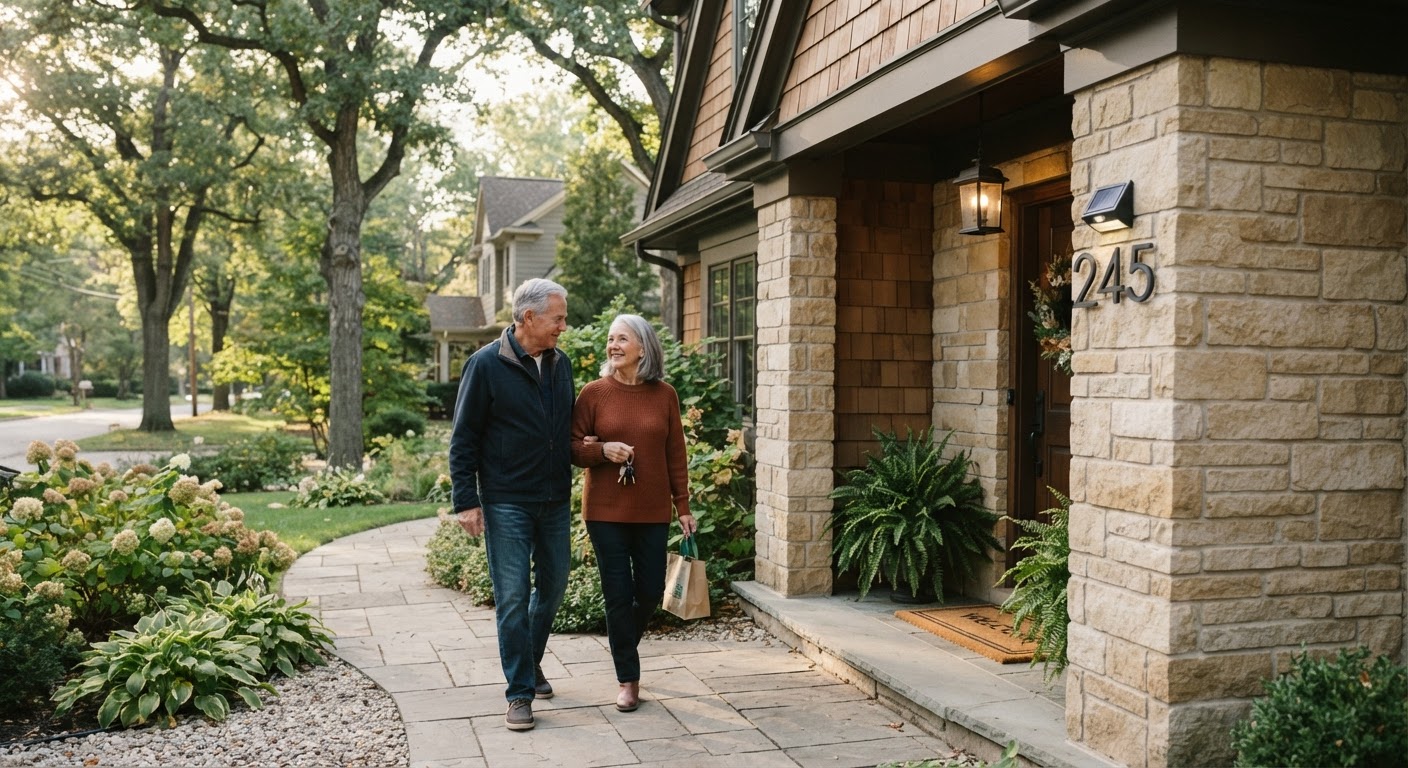
Why Every Home Needs Solar Address Signs for Curb Appeal and Safety
Enhancing Safety and Street Visibility
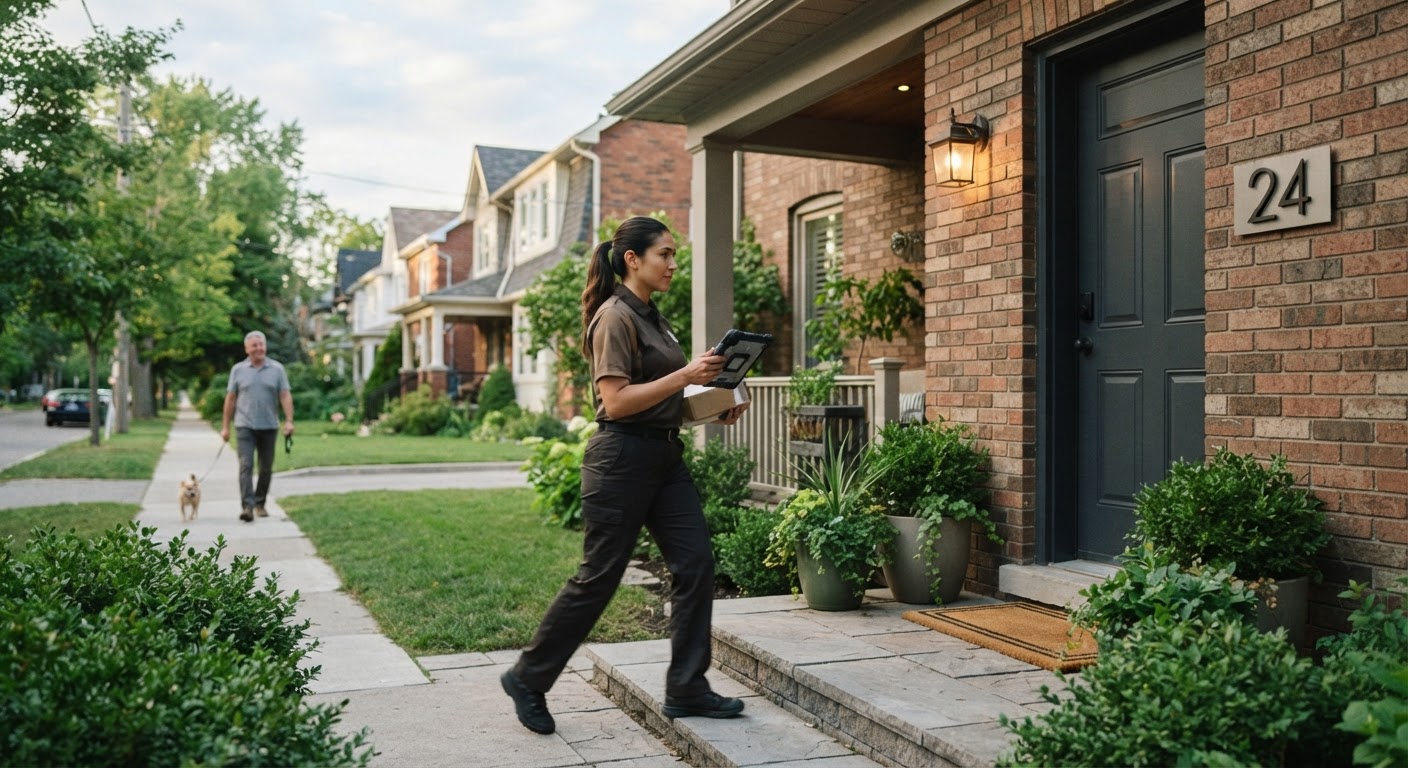
Navigating suburban streets at night can be difficult when unlit house numbers are hidden behind darkness or foliage. For emergency service personnel, every second counts. Having clear LED house number lights provides excellent visibility, helping first responders locate your property immediately when seconds matter.
Likewise, delivery drivers depend heavily on visible house signs to ensure accurate package delivery. A bright, high-contrast stylish black and white design makes address digits clear from the road. The scale of the problem is easy to underestimate until you test your own house. Walk to the middle of the road after dark, stand where a driver would stop, and try to read your number. Unlit numbers on a dark door, dark digits on dark brick, and numbers screened by a hedge that has grown since they went up are all extremely common, and none of them is obvious from inside the house.
Contrast does more work than size. A large number in a dark finish against dark brick is harder to read at night than a smaller one with a genuinely light background behind it. Illumination solves the contrast problem outright, which is why a lit plaque outperforms simply buying bigger digits.
It is worth knowing that emergency services publish guidance on exactly this. The recurring advice is to keep numbers clearly visible from the road, keep them unobstructed by planting, and light them if the street is dark, because crews arriving at an unfamiliar address at night are otherwise reduced to guessing from the houses either side.
Elevating Exterior Curb Appeal
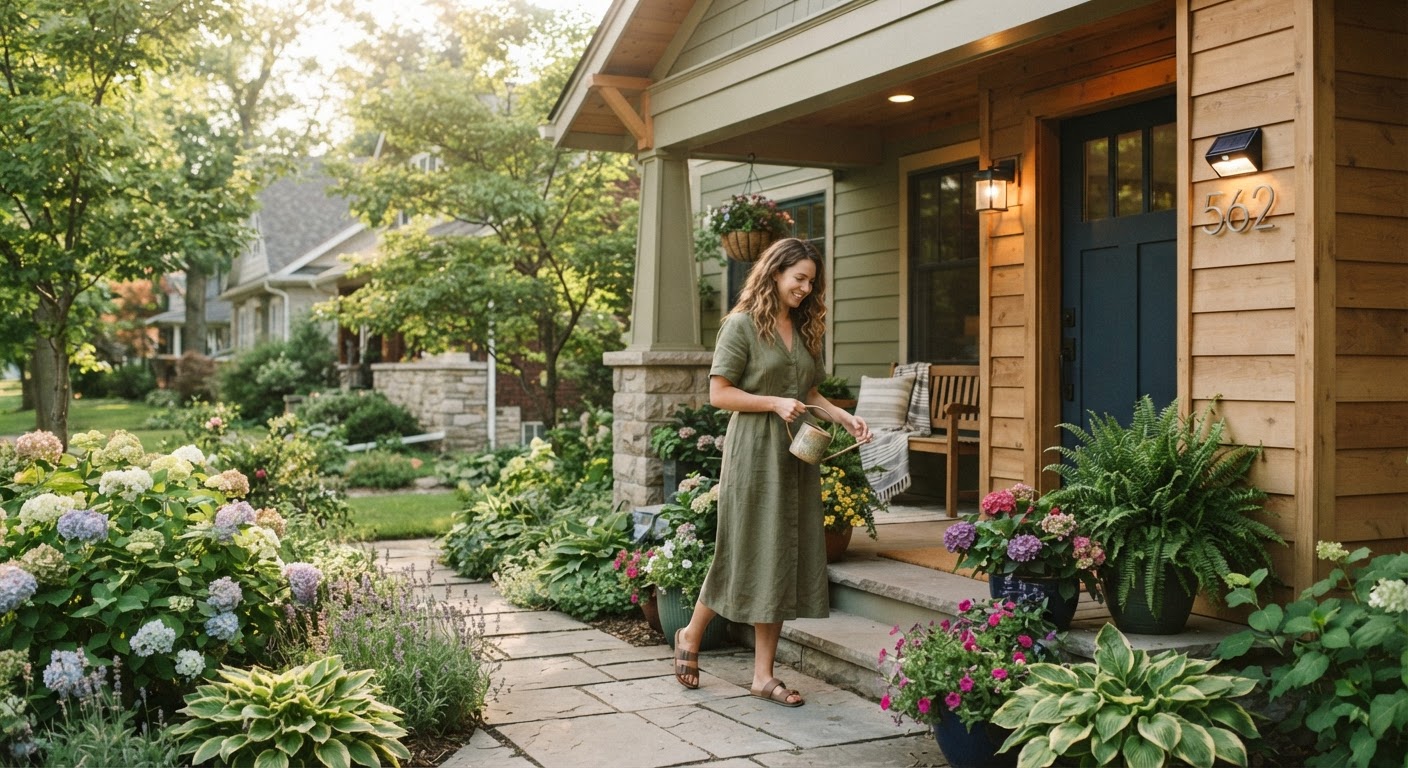
Address numbers are often the first detailed architectural element visible from the curb. Transitioning from basic plastic or stamped metal numbers to modern address signs elevates your home exterior plaque decor immediately.
Featuring modern house number light capabilities with warm LED illumination, these fixtures provide a sophisticated, welcoming glow that highlights your entrance without overwhelming nearby landscape lighting. As discussed in [the main guide], proper lighting choice blends functional visibility with high-end architectural styling. Three practical rules keep this looking considered rather than added on.
Match the metalwork. The number, the door handle, the letterplate, and any porch lantern should agree on finish. Mixed finishes at close quarters are the single detail that most reliably makes a front door look unplanned.
Keep the typeface plain. Legibility is the entire function, and a decorative face fails precisely when it matters, at night and from a moving car.
Size it to the setback. A house set well back behind a front garden needs noticeably larger digits than a terrace fronting the pavement. Judge it from where a car actually stops rather than from the front step.
The honest caveat on curb appeal is that a lit house number is a finishing touch, not a transformation. It works alongside a tidy path, trimmed planting, and a door that has been painted this decade. It will not compensate for their absence.
Zero Maintenance and Automatic Operation
Traditional wired lights require running conduit or changing bulbs periodically. Solar house numbers simplify exterior lighting with onboard solar panels, eliminating extra wiring or electrical hookups.
An intelligent light sensor automatically activates the illumination as dusk falls and switches off at dawn. Powered by a 600mAh NI-MH battery, charging for 6-8 hours under ambient light powers up to 12 hours of evening illumination seamlessly.
Read the full guide: The Comprehensive Guide to Solar Lighted House Numbers
Low maintenance is accurate; zero maintenance overstates it slightly, and it is better to know the three things that do need occasional attention than to be surprised by them.
The panel needs wiping. Dust, pollen, and hard-water spotting build up into a film that measurably reduces charging over a season, and two or three wipes a year with a damp cloth is enough. Snow needs brushing off promptly, since a covered panel collects nothing at all.
The battery is a consumable. Nickel-metal hydride cells hold most of their capacity for the first couple of years and then decline, so expect shorter run times by the third or fourth winter. On units where the cell is replaceable this is a cheap fix; on sealed units it eventually determines the life of the whole fixture, and the old cell belongs at a battery recycling point rather than in the bin.
Seasonal performance varies and is not a fault. Short winter days and a low sun angle mean less charge, and a unit that runs from dusk to dawn in summer may fade in the small hours in December. If run time drops sharply outside that seasonal pattern, check the panel for shading from planting that has grown since installation before suspecting the battery.