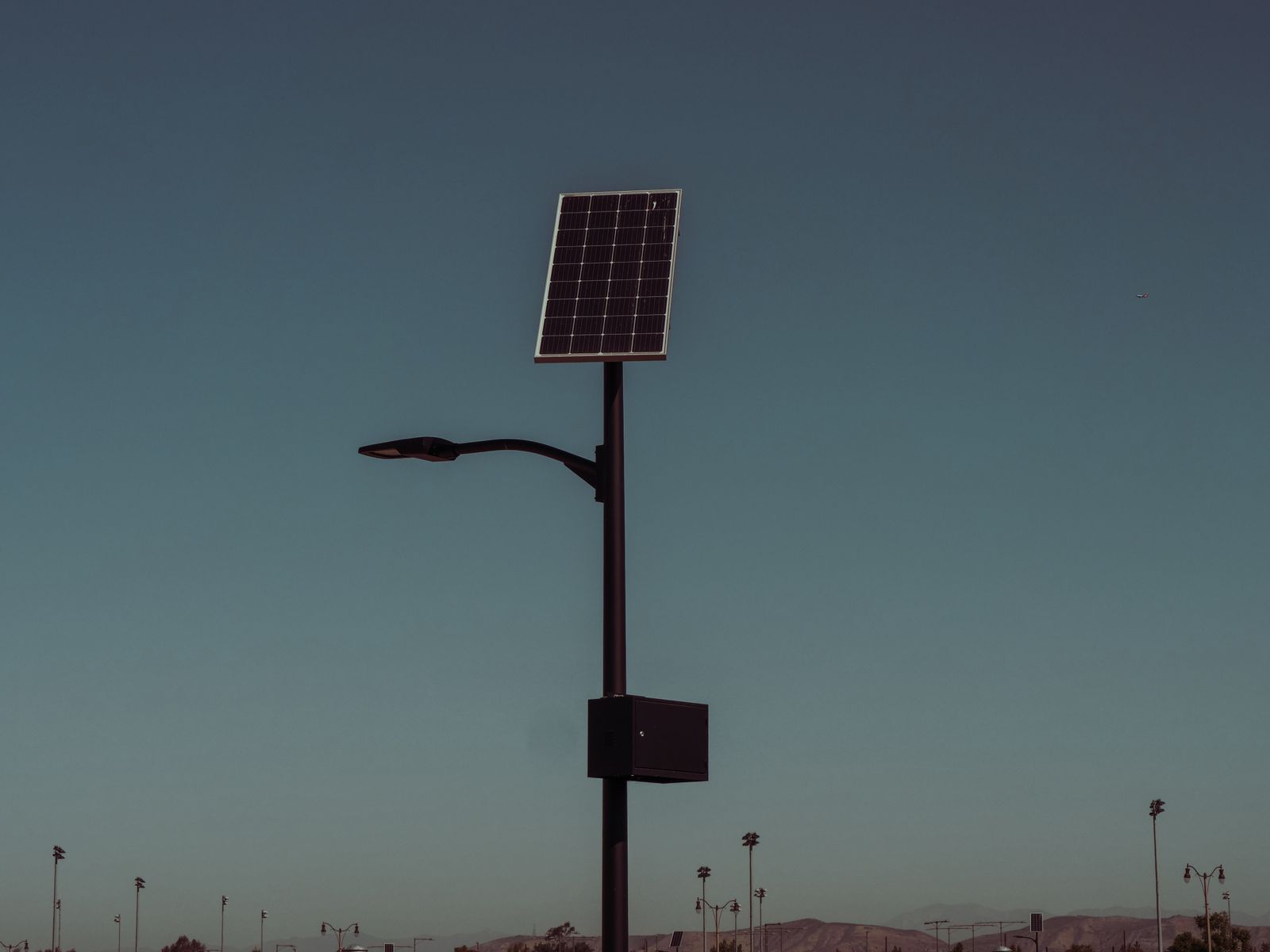
How Solar Powered Address Signs Work: Zero-Cost Outdoor Energy Explained
Solar powered address signs operate on a 1:1.5 charge-to-run energy ratio. A surface-mounted photovoltaic solar panel converts ambient daylight into direct current, charging an internal 600mAh Ni-MH battery over 6–8 hours. At dusk, an integrated photoresistor circuit triggers the warm LED array automatically, delivering up to 12 hours of reliable, zero-cost illumination every night.
Key Technical Takeaways
- 1:1.5 Charge-to-Run Ratio: 6 to 8 hours of daylight yields 12 hours of nighttime LED light.
- Zero-Cost Operation: 100% self-contained solar micro-fixture requiring zero external electricity.
- Automated Dusk-to-Dawn Control: Ambient light photoresistor automates daily power cycles.
- IP44 Weatherproof Rating: Durable ABS & PC polymer housing withstands rain, snow, and UV rays.
- High-Contrast Visibility: Warm LED lighting makes numbers clearly readable for delivery drivers and emergency personnel.
- 1:1.5 Charge-to-Run Ratio: 6 to 8 hours of daylight exposure generates enough chemical energy to power the sign for 12 continuous hours overnight.
- Zero-Cost Operation: Integrated photovoltaic micro-panels eliminate the need for electrical trenching, wiring, or monthly utility expense.
- Automated Dusk-to-Dawn Control: Built-in photoresistor switches continuously measure ambient lux, turning LEDs on at dusk and off at dawn.
- Weatherproof Durability: Constructed from ABS and Polycarbonate (PC) polymers with an IP44 rating, resisting rain, snow splash back, and UV degradation.
- High-Visibility Warm Optics: Warm LED illumination (2800K–3000K) produces high contrast against black and white address plaques for 50+ feet visibility.
Hardware Specification Matrix: Components & Electronics
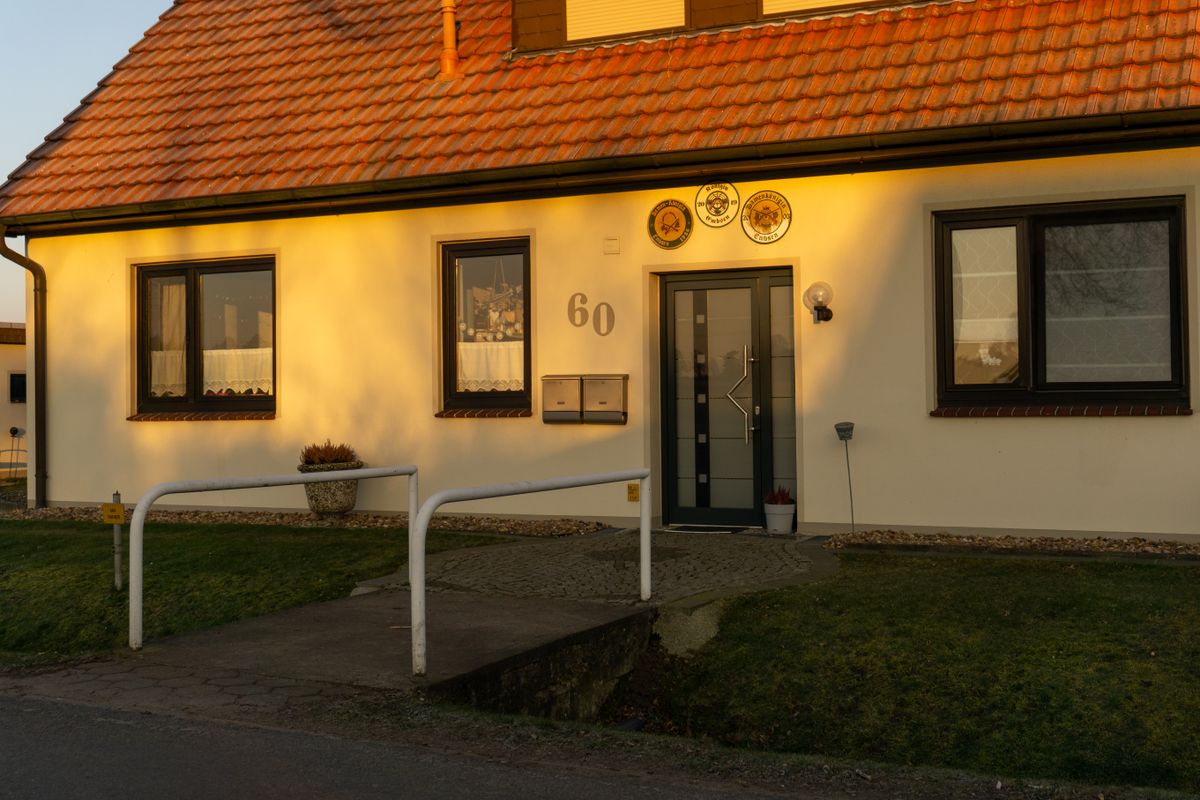
Photo by Muhammed Hanefi on Pexels
| Component | Technical Specification | Operational Function | Performance Benchmark |
| --- | --- | --- | --- |
| Photovoltaic Panel | Surface Monocrystalline Micro-Cell | Converts solar irradiance into direct current (DC) | 6–8 hrs full sunlight = 100% charge capacity |
| Internal Battery | 600mAh 1.2V Ni-MH Rechargeable Cell | Stores chemical energy for nocturnal LED discharge | Sustains up to 12 hours continuous light output |
| Light Sensor | Dusk-to-Dawn Photoresistor Circuit | Monitors ambient lux levels to switch state | Triggers switch open at >15 lux, closed at <10 lux |
| Illumination Array | Surface-Mounted Warm LEDs (2800K–3000K) | Backlights/illuminates house numbers for high contrast | 50+ feet night visibility for emergency & delivery |
| Enclosure Materials | Impact-Resistant ABS Body & Polycarbonate Lens | Protects microelectronics against weather exposure | IP44 waterproof rating; UV-stabilized anti-yellowing |
The table below outlines the core hardware specifications and performance metrics of modern solar illuminated house number systems.
Internal Energy Flow & Circuit Architecture
Understanding how energy flows through a solar address sign helps clarify why these fixtures operate so reliably without hardwired power.
Expert Engineering Tip: Photovoltaic Angle & Ambient Lux
To achieve maximum daily battery saturation, ensure your address sign receives unobstructed sky exposure. Mount the unit away from deep porch overhangs. Additionally, position the fixture at least 5 to 8 feet away from high-lumen porch lanterns or streetlamps; excess artificial lux can trick the internal photoresistor into assuming it is still daylight, preventing the sign from lighting up.
Solar Address Charge & Illumination Estimator
Use this estimation tool logic to determine expected nightly LED illumination based on your mounting location's sun exposure.
Preventative Maintenance Schedule for Maximum Solar Efficiency
- Monthly — Wipe the top surface solar panel with a damp microfiber cloth to remove dust, pollen, and road grime.
- Quarterly — Inspect the IP44 peripheral housing seals for dirt accumulation that could impede water shedding.
- Seasonal (Winter) — Clear snow, ice, or fallen autumn leaves off the photovoltaic glass face immediately to prevent charging blackouts.
- Every 18–24 Months — Check battery discharge performance. Replace the 600mAh Ni-MH cell if overnight runtime drops below 6 hours after full daily charge.
Understanding how solar powered address signs work requires examining four fundamental sub-systems: energy conversion, battery chemistry, optical sensor automation, and weather-resistant structural design. Together, these components allow micro-fixtures to deliver uninterrupted nighttime performance without utility wiring.
1. Photovoltaic Conversion: Converting Photons to Direct Current
At the core of the address sign sits a surface-mounted photovoltaic (PV) panel engineered with high-efficiency monocrystalline silicon micro-cells. When sunlight strikes the solar panel, photons energize electrons within the semiconductor material, creating an electrical current via the photovoltaic effect.Even on overcast or cloudy days, solar panels harvest diffused light. While full sun generates maximum voltage, daylight under cloud cover still operates at 50% to 70% energy efficiency. The generated direct current (DC) passes through a solid-state blocking diode, which prevents reverse current flow from the battery back into the panel during darkness.
2. Energy Storage: The 600mAh Ni-MH Discharge Curve
The harvested electrical energy is directed into an integrated 600mAh Nickel-Metal Hydride (Ni-MH) rechargeable battery. Ni-MH chemistry is specifically chosen for outdoor solar plaques due to its wide operating temperature range and resistance to memory effect.Under normal daylight conditions (6 to 8 hours of ambient sun exposure), the battery reaches 100% state of charge. During the night, the battery discharges at a controlled low amperage, powering energy-efficient warm LEDs. Because LED diodes consume minimal wattage, a fully charged 600mAh capacity provides up to 12 hours of continuous output, easily spanning the longest winter nights in the United States.
3. Smart Dusk-to-Dawn Sensing Logic
Automatic operation relies on an integrated photoresistor (light-dependent resistor or LDR) built into the control circuit board. The photoresistor acts as an automated switch by measuring ambient illumination in lux:- Daytime State (Ambient Light > 15 Lux): High light levels keep the photoresistor’s electrical resistance high, maintaining an open circuit to the LEDs. Energy from the solar panel flows exclusively into charging the 600mAh Ni-MH battery.
- Dusk Transition (Ambient Light < 10 Lux): As daylight fades, ambient lux drops. The photoresistor's resistance plummets, closing the internal circuit switch. Current flows instantly from the battery to the LED array.
- Dawn Transition: Morning sunlight raises ambient lux above the threshold, triggering the photoresistor to re-open the LED circuit and resume solar battery charging.
4. IP44 Waterproofing and Structural Durability
Outdoor address signs face extreme environmental stress, including rain, freezing snow, humidity, and intense summer UV radiation. The structural housing is molded from high-impact Acrylonitrile Butadiene Styrene (ABS) paired with Polycarbonate (PC) optics.An IP44 Ingress Protection rating certifies two key protective qualities: protection against solid objects larger than 1mm and protection against water splashing from any direction. Internal electronic trace lines are sealed against condensation, preventing short circuits and rust, while the PC front cover prevents yellowing and maintains optical clarity for years of service.
Operational Scenarios: Solar Conditions vs. Nighttime Runtime
| Solar Exposure Scenario | Daily Charging Hours | Battery Charge State | Estimated LED Runtime | Visibility Performance |
| --- | --- | --- | --- | --- |
| Optimal Direct Sunlight (Unshaded) | 6 – 8 Hours | 100% (600mAh) | 12 Hours (Full Dusk-to-Dawn) | Maximum contrast; 50+ ft readability all night |
| Partial Daylight (Light Tree Canopy) | 4 – 5 Hours | 65 – 75% | 8 – 9 Hours | High contrast through midnight delivery peak |
| Overcast / Winter Cloud Cover | 2 – 3 Hours (Diffused) | 40 – 50% | 5 – 6 Hours | Clear illumination for evening arrival hours |
| Full Shade / Under Deep Porch Roof | < 1 Hour Direct Light | < 20% | 1 – 2 Hours | Inadequate runtime; reposition fixture to open wall |
Performance varies depending on sunlight availability and mounting location. The table below details real-world scenario expectations.
5 Critical Pitfalls That Ruin Solar Address Sign Performance
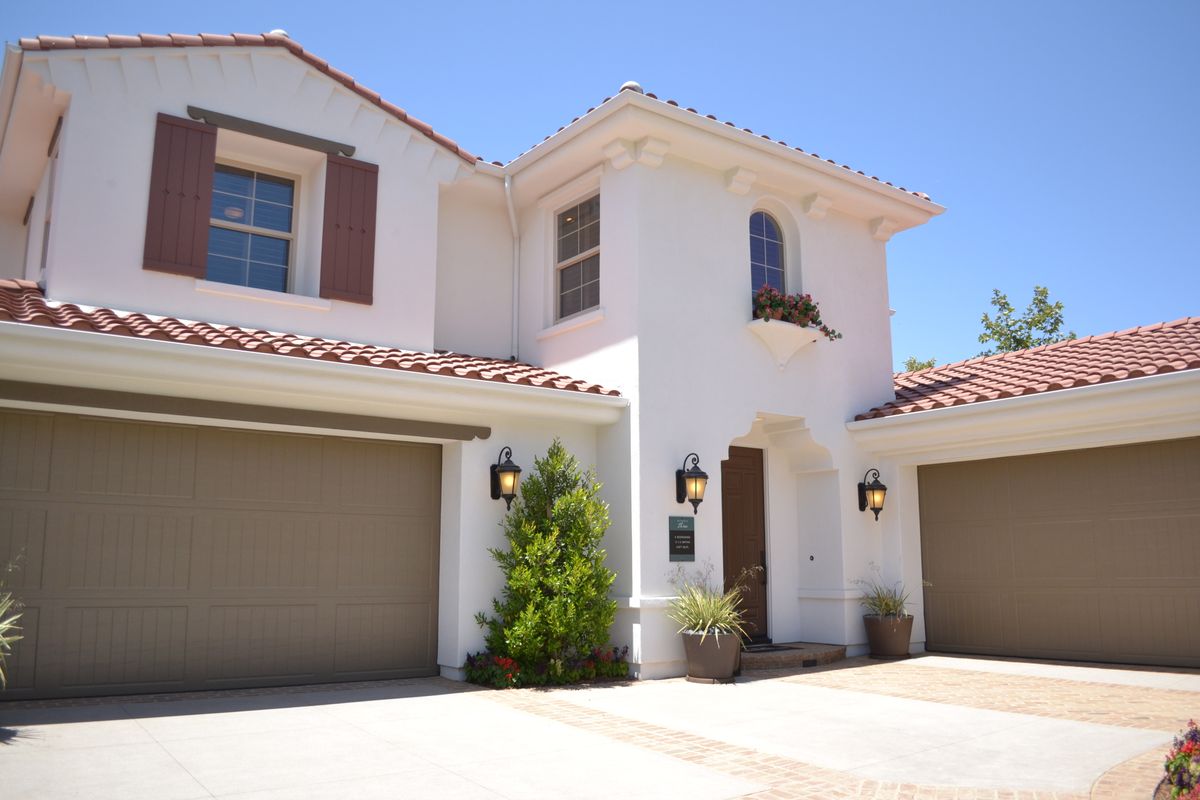
Photo by Luis Yanez on Pexels
Avoid these standard installation errors to ensure your solar address plaque operates at peak efficiency year-round.
Essential Technical Resources & Outdoor Lighting Guides
Explore additional guides on exterior lighting placement, weatherproofing standards, and address sign installation.
Frequently Asked Questions: Technical Operation & Energy
Here are answers to common technical queries regarding solar address sign charging, weatherproofing, and battery life.
Featured Zero-Cost Illumination Solution
Upgrade your home's curb appeal and emergency visibility with zero operating costs.
Immediate Actions & Setup Decisions
Your decision: Determine if your exterior mounting location receives at least 4 to 6 hours of unshaded ambient daylight daily.
Do this next: Perform a simple 1-day sunlight exposure test on your front porch or house wall before mounting your address plaque using the included positioning paper and screws.
- Read next: Step-by-Step Solar House Number Installation Guide
- Read next: Comparing Solar vs. Hardwired Address Numbers for Curb Appeal
Solar Lighted House Numbers (Black/White Warm LED, 600mAh Ni-MH Battery, IP44 Waterproof)
Follow these practical steps to evaluate your home's mounting location and select your solar address solution.
Expert Engineering Tip: Photovoltaic Angle & Sun Exposure
Offer actionable advice on positioning panel surfaces relative to solar azimuth.
Cover photo by Kindel Media on Pexels.