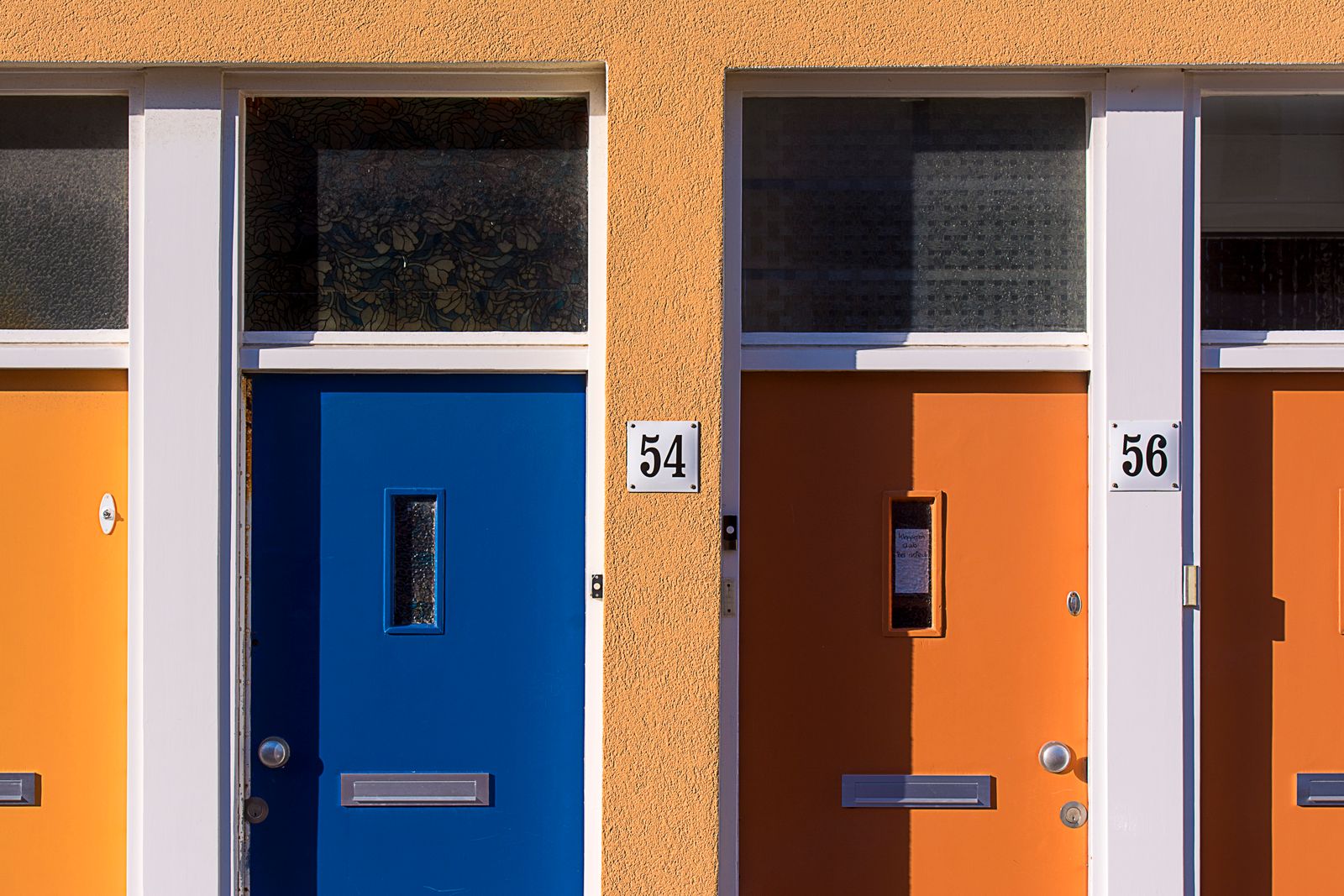
How to Clean Solar Panel House Numbers for Maximum Nighttime Brightness
Clean solar panel house numbers for maximum nighttime brightness by wiping the solar face, lens, and light sensor with a damp microfiber cloth — not a pressure washer, not a scouring pad. Dust, pollen, and film block charge to the 600mAh NI-MH battery and hide warm LED illumination. A monthly clean in high-pollen seasons is the cheapest path back to a readable address from about 50 feet.
What dirt actually steals
Maximum nighttime brightness starts at noon. A dusty solar panel house number cannot fill the cell, so dusk-to-dawn lighting looks dim even though the LED is fine. Film on the lens scatters light. Grit on the sensor fools automatic on/off. Cleaning is charge, optics, and sensing in one chore.
Use water and a drop of mild soap if needed. Rinse. Dry the IP44 seams so you are not driving moisture inward. Never polish the panel with household abrasives that haze ABS and PC covers.
If the plaque sits under trees or a mailbox flag that sheds rust, clean more often. Wall, mailbox, and yard mounts collect different dirt: pollen on walls, road film on boxes, mower dust on yard posts.
What not to use
Photo by Star Zhang on Pexels
Pressure washers defeat gaskets. Solvent sprays can craze plastics. Painting the panel "to protect it" kills charging. Glow stickers nearby do not need this clean and do not provide nighttime brightness. Hardwired lanterns collect bugs on glass; they are a different fixture.
After cleaning, give a full sunny day before judging brightness. Battery recovery is not instant.
Cleaning vs other brightness fixes
| Action | Helps nighttime brightness | Hurts | | --- | --- | --- | | Soft-cloth panel and lens clean | Charge + clearer LED | — | | Pressure washer | — | Water past IP44 seals | | Relocate from shade | Charge | — | | Re-aim sensor away from lamps | Honest dusk-to-dawn | — | | Glow stickers instead of cleaning | — | Still fade | | Hardwired flood on the numerals | Bright if powered | Not a solar-panel clean |
How to clean solar panel house numbers is a maintenance skill. Maximum nighttime brightness still also needs sun and a street-facing mount.
Placement, visibility, and install checklist
- [ ] Turn the unit so you can reach panel, lens, and sensor.
- [ ] Dust first with a dry cloth so grit does not scratch.
- [ ] Wipe with damp microfiber; mild soap only if needed.
- [ ] Keep water out of seams; dry gaskets.
- [ ] Confirm the panel still faces sky after you rehang.
- [ ] Confirm numerals still face the street from about 50 feet.
- [ ] Clean more often in pollen, salt air, or under trees.
- [ ] Never coat the solar panel.
- [ ] Recheck dusk-to-dawn after a full sunny day.
Frequently asked questions
Photo by Mehmet Kaya on Pexels
How often should I clean solar panel house numbers?
When you can see film, or monthly in pollen season. Maximum nighttime brightness is a habit, not a spring-only project.
Can I use glass cleaner?
Ammonia-heavy cleaners can fuss some plastics. Water and mild soap are enough for this job.
Will cleaning fix a dead battery?
It fixes charge that dirt was blocking. A truly spent 600mAh NI-MH cell still needs replacement after a clean, sunny test fails.
Does rain clean the panel enough?
Rain spots and pollen cakes. Do not wait for weather to do a complete clean.
Should I remove the sign to clean it?
Only if you cannot reach it safely. If you take it down, use positioning paper to rehang square.
Related reading
- solar panel and battery storage guide
- troubleshooting battery runtime
- how solar signs charge in cloudy weather
- moisture protection troubleshooting
What to do next
This afternoon, clean the solar panel, lens, and sensor with a soft cloth. Leave the house numbers in real sun, then check nighttime brightness from the street after true dusk. That is how you clean solar panel house numbers for maximum nighttime brightness without buying a new fixture.
Cover photo by Jan van der Wolf on Pexels.