How Solar Address Signs Charge in Winter and Cloudy Weather
Many homeowners believe solar address signs require direct, intense summer sunlight to operate. In reality, solar house numbers absorb diffuse daylight scattered through cloud cover. On heavy overcast winter days, photovoltaic panels produce 10% to 25% of full-sun output—more than enough to charge a 600mAh Ni-MH battery for 8 to 12 hours of warm LED illumination at night.
Winter Charging Horizon: Daylight Exposure vs. Nighttime LED Runtime
- 8:00 AM - 10:00 AM (Low Winter Sun) — Photovoltaic panel detects low-angle ambient light and initiates low-current trickle charging to the 600mAh Ni-MH battery.
- 10:00 AM - 2:00 PM (Peak Diffuse Radiation) — Maximum daily solar absorption occurs. Even under heavy cloud cover, peak daylight reaches 10,000 to 20,000 lux, providing core battery saturation.
- 2:00 PM - 5:00 PM (Late Afternoon Light) — Charging current gradually decreases as daylight fades. Battery reaches 85%–100% capacity depending on cloud density.
- 5:00 PM - 5:00 AM (Dusk-to-Dawn Illumination) — Integrated dusk-to-dawn sensor activates warm LED lights, drawing low wattage from the 600mAh Ni-MH battery for 12 full hours of visibility.
Autumn & Winter Solar Panel Maintenance Routine
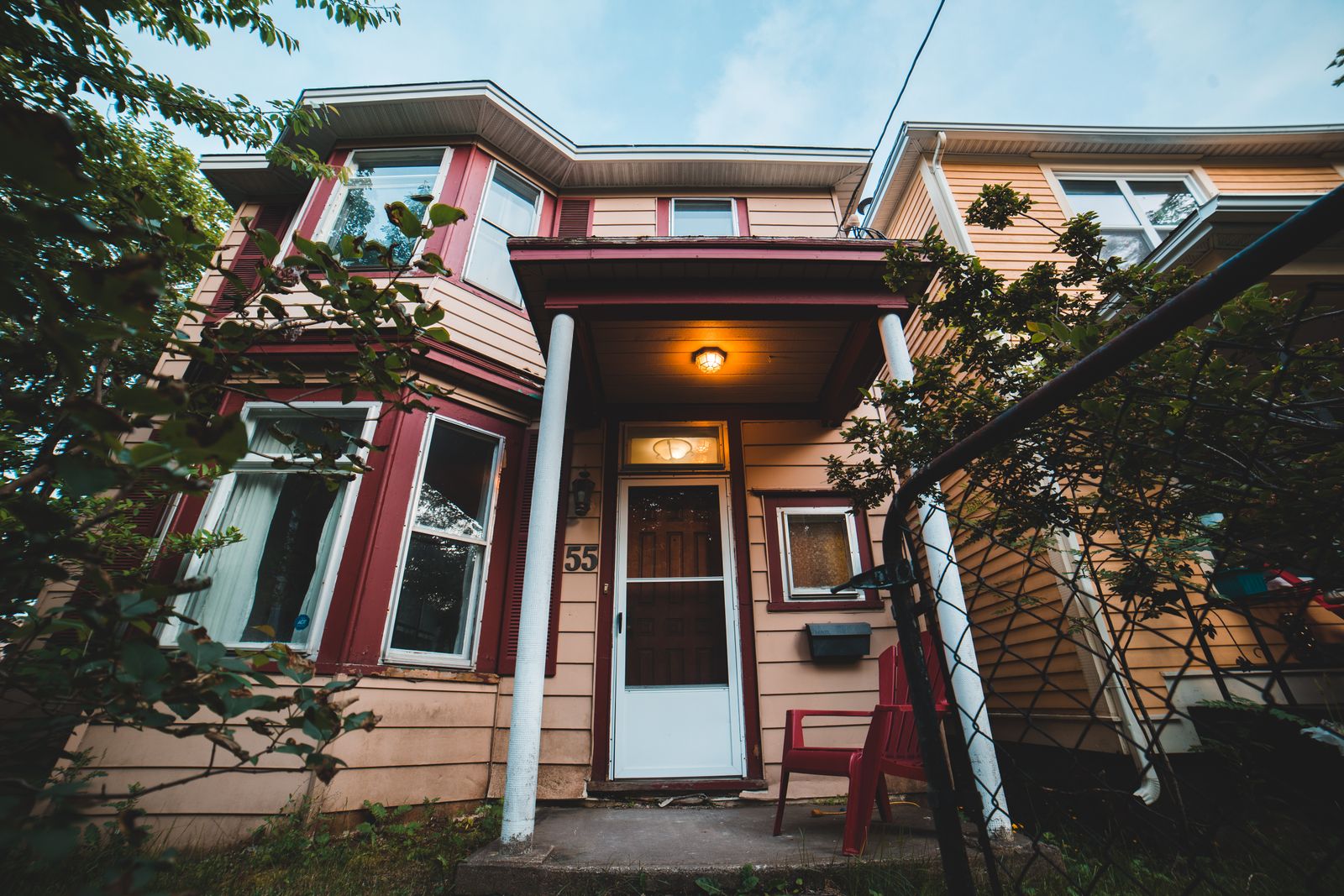
Photo by Erik Mclean on Pexels
- Late October (Pre-Winter Check) — Wipe down ABS & PC housing and solar panel surface with warm water and a microfiber cloth to clean summer dust and tree sap.
- November (Vegetation & Shadow Audit) — Trim back deciduous branches or seasonal porch decorations that cast shadows over the top solar panel during midday hours.
- December - February (Post-Snowstorm Clear) — Gently brush off soft snow accumulation from the solar surface using a foam brush or cloth. Never use metal scrapers.
- March (Spring Inspection) — Inspect IP44 waterproof seals for ice wear and test dusk-to-dawn automatic light sensor operation by covering panel with hand.
Expert Optimization: Angle and Reflection Maximization
Take advantage of winter ground albedo! Freshly fallen snow reflects up to 80% of ambient solar radiation back into the environment. Mounting your solar house sign on an exterior wall facing an open, snowy lawn or driveway allows the top panel to harvest reflected ambient radiation from below as well as diffuse daylight from above. Avoid mounting signs deep under recessed porch alcoves or overhangs, which shield the panel from sky exposure.
Troubleshooting Winter Charge & Visibility Issues
| Symptom / Criteria | Likely Winter Cause | Corrective Action |
| --- | --- | --- |
| Light stays off at dusk | Competing ambient artificial light (e.g., bright porch light or holiday string light shining into sensor) | Reposition sign or re-aim artificial lights so the dusk-to-dawn photocell senses darkness. |
| LED illuminates for only 2–4 hours | Snow layer on panel or dense roof overhang blocking ambient daylight | Clear snow off PC protective top lens and remount sign clear of deep overhangs. |
| Dim or flickering illumination | Temporary cold voltage drop in 600mAh Ni-MH battery during sub-zero snap | Allow sign full daylight exposure; light output stabilizes as temperature normalizes. |
| Water spots inside housing | Condensation build-up from severe temperature fluctuations | IP44 housing resists rain; wipe external housing and verify back seals are flush against wall. |
If your solar house numbers turn off prematurely or appear dim during winter, use this diagnostic guide to isolate and fix the cause.
Four-Season Solar Address Sign Performance Calendar
| Season | Avg. Daylight Exposure | Sky Condition Impact | Expected LED Runtime |
| --- | --- | --- | --- |
| Spring | 11 to 13 Hours | Moderate rain & cloud cover (40%–60% light capture) | 10 to 12 Hours (Dusk-to-Dawn) |
| Summer | 14 to 16 Hours | Direct sunlight & maximum UV photon density | 12 Hours (Full Capacity Reach) |
| Autumn | 10 to 12 Hours | Increasing overcast days & lower solar arc angle | 10 to 12 Hours |
| Winter | 8 to 10 Hours | Diffuse cloud radiation & snow reflections (10%–25% capture) | 8 to 12 Hours (Optimized Mount) |
Here is what to expect in terms of charging efficiency, daylight hours, and nighttime LED output across all four seasons in the United States.
Frequently Asked Questions About Winter Solar House Numbers
Common technical questions regarding winter charging, freezing weather, and snow maintenance.
Next Steps for Winter-Proofing Your House Address Sign
Your decision: Mount your solar address sign where it receives unobstructed sky exposure, and perform a quick monthly snow/dirt wipe during winter.
Do this next: Check entry wall placement to clear porch overhangs and ensure the light sensor faces away from competing porch lamps.
- Read next: Solar Panel and Battery Storage Guide for Illuminated House Numbers
Solar Lighted House Numbers (Black & White, Warm LED, IP44 Waterproof, 600mAh Ni-MH Battery) available at https://solarlightedhousenumbers.com
Ensure delivery drivers and emergency personnel can find your home every night of the year by selecting appropriate mounting spots and maintaining panel cleanliness.
Key Takeaways: Winter Solar Performance Rules
Key rules for reliable year-round solar house sign performance:
Direct Sunlight vs. Diffuse Cloud Light Charging Comparison
| Performance Criteria | Direct Summer Sunlight | Light Overcast / Autumn | Heavy Winter Cloud Cover |
| --- | --- | --- | --- |
| Solar Irradiance Level | 800–1000 W/m² | 300–500 W/m² | 100–200 W/m² |
| Battery Charge Time (600mAh) | 4 to 6 Hours | 6 to 8 Hours | 7 to 9 Hours |
| Expected Nighttime LED Runtime | 12 Hours (Full Night) | 10 to 12 Hours | 8 to 10 Hours |
| Primary Light Wave Type | Direct UV & Visible Spectrum | Diffuse Scattered Daylight | Low-Angle Diffuse Daylight |
A technical breakdown comparing energy capture efficiency under varied atmospheric conditions.
Choosing the Right Wall Placement for Overcast & High-Latitude Regions
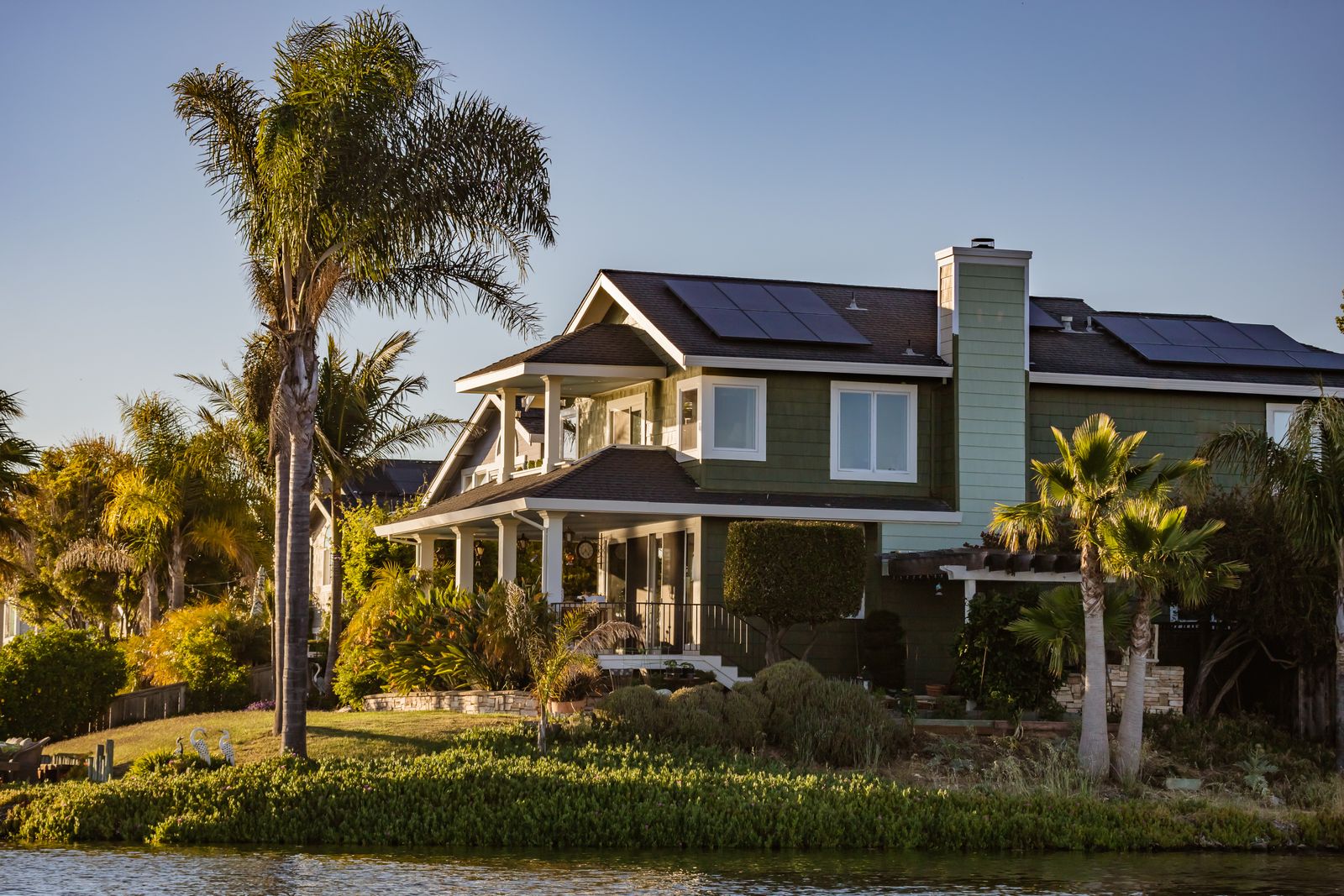
For homes in cloudy or northern winter climates, solar house signs remain effective if mounted clear of roof overhangs and kept free of surface snow.
Best choice for
- Solar Lighted House Numbers with high-sensitivity solar panels and 600mAh Ni-MH battery — Harvests diffuse daylight and stores adequate energy for 8–12 hours of LED nighttime runtime.
- Wall-mounted solar plaque with IP44 weatherproof housing — Captures maximum available low-angle winter sunshine without requiring wiring.
- Placing the sign directly under dense year-round porch overhangs that completely obscure ambient sky light.
- Allowing heavy, wet snow or ice accumulation to remain on top of the photovoltaic panel for weeks.
- Hardwired Low-Voltage LED Address Signs — Consider only if entry walls receive zero ambient daylight (0% sky exposure year-round).
Technical Spec Matrix: 600mAh Ni-MH Battery & Photovoltaic Cell Capabilities
| Component Specification | Technical Parameter | Practical Homeowner Benefit |
| --- | --- | --- |
| Internal Battery Cell | 600mAh Ni-MH (Nickel-Metal Hydride) | Resists extreme temperature swings without rapid degradation. |
| Solar Surface Panel | Monocrystalline Photovoltaic Array | High conversion efficiency even under low-lux cloud conditions. |
| Housing Material | ABS & PC (Polycarbonate) Plastic | UV-resistant, shatterproof, and non-corrosive in snow or ice. |
| Waterproof Rating | IP44 International Standard | Protects against splashing water, heavy rain, and blowing snow. |
| Light Source & Tone | Warm LED (Energy Efficient) | High visibility contrast at night without harsh, glaring light. |
Detailed hardware specs powering modern zero-grid illuminated house numbers.
US Regional Climate Guidance: Northern Freezing Belts vs. Overcast Coastal Zones
Regional atmospheric conditions across the United States affect solar charging in distinct ways:
- Pacific Northwest & Coastal Northwest: High annual cloud cover requires mounting solar address signs on vertical walls with clear upward sky visibility. Avoid positioning under wide soffits.
- Upper Midwest & Northeast Freezing Belts: Sub-zero temperatures temporary reduce battery discharge chemistry. Brush off heavy snowfall promptly to allow daytime diffuse daylight charging.
- Sunbelt & Southwest: Excellent year-round daylight allows full 12-hour illumination nightly with virtually zero maintenance requirements.
- Southeast Coastal Humidity & Storms: The IP44 waterproof ABS & PC construction keeps out moisture during intense winter rains and high humidity.
Winter Readiness Checklist for Outdoor Solar House Numbers
- [ ] Wipe solar panel surface with a microfiber cloth to remove dust, soot, or sap.
- [ ] Ensure no tree branches or seasonal decorations cast shadows over the sign between 10 AM and 2 PM.
- [ ] Check that porch overhangs do not block ambient daylight from reaching the panel surface.
- [ ] Confirm automatic dusk-to-dawn sensor turns on when covered with hand or dark cloth.
- [ ] Establish a regular routine to brush away soft snow cover after major winter storms.
Related Guides on Solar Address Lighting
Expand your knowledge on home exterior visibility and low-voltage solar upgrades with these technical guides:
Troubleshooting Solar Address Sign Batteries: How to Maximize Runtime and Lifespan* Solar Panel and Battery Storage Guide for Illuminated House Numbers* Solar Lighted vs. Reflective Address Signs: Which Is Best for Nighttime Navigation?* Energy-Efficient Outdoor Lighting for Emergency Response Preparedness*
Recommended All-Weather Solar Address Sign Solution
Upgrade your home entry with clean, modern, and reliable nighttime address visibility.
Cover photo by Muhammed Hanefi on Pexels.