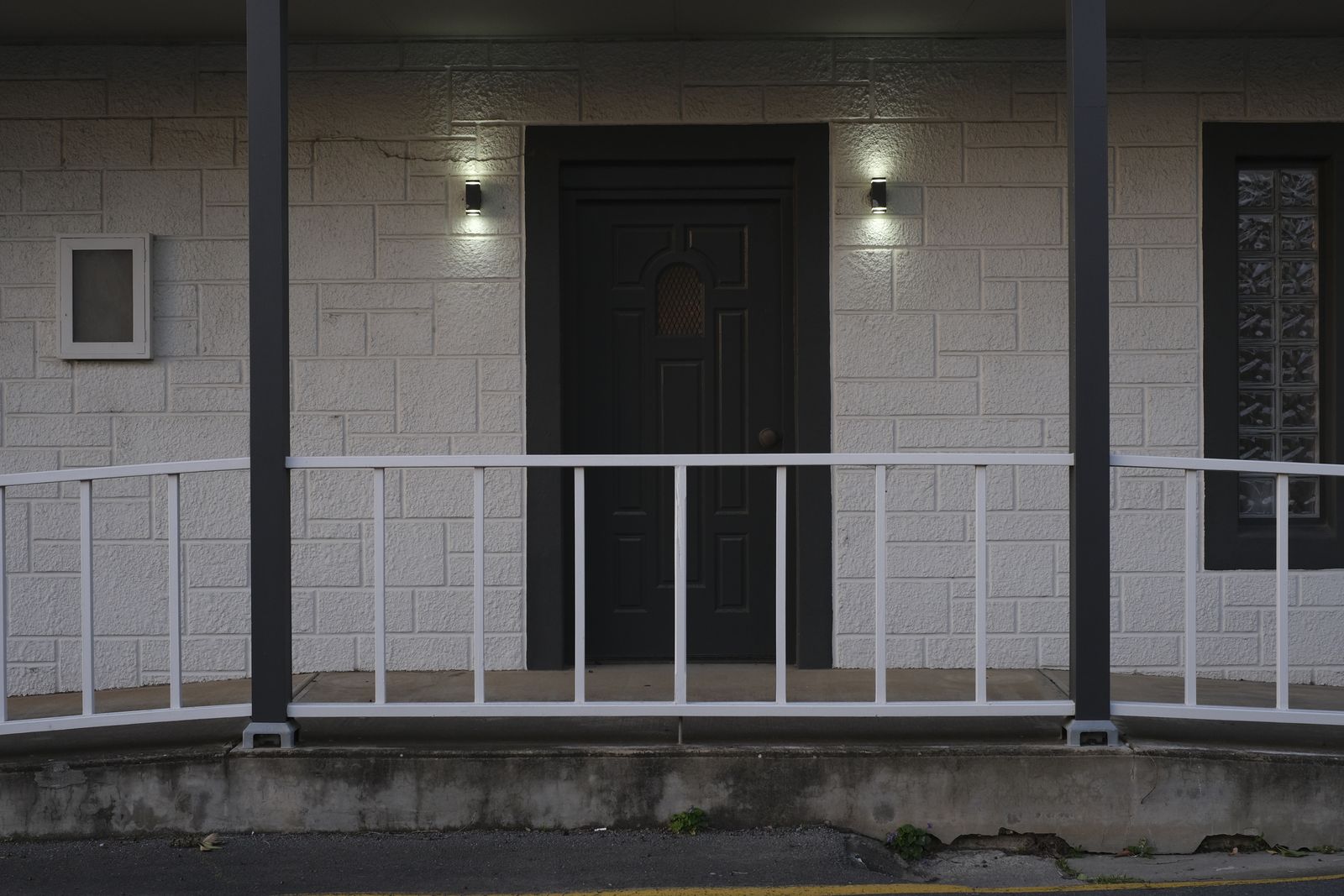
Solar Panel and Battery Storage Guide for Illuminated House Numbers
A delivery driver circles your block at 9 PM searching for hidden house numbers, while emergency personnel lose critical minutes in the dark. To guarantee all-night visibility, a solar address sign requires a 600mAh Ni-MH battery paired with warm, low-draw LEDs. Charging in 6–8 hours of direct daylight, this storage system provides 12 hours of continuous dusk-to-dawn illumination.
Sizing Your Solar Address Sign Battery: Real-World Scenarios
For standard residential address plaques, a 600mAh Ni-MH battery balanced with warm, low-draw LEDs delivers the best combination of 12-hour dusk-to-dawn runtime, weather resilience, and quick 6-8 hour full recharge.
Best choice for
- 600mAh Ni-MH Powered Solar Address Sign — Fully recharges daily to supply complete 12-hour dusk-to-dawn LED illumination without overcharging risks.
- 600mAh Ni-MH with High-Efficiency Surface Solar Panel — Maximizes energy collection during brief daylight windows to keep warm LEDs lit all night long.
- Avoid unrated ultra-high capacity batteries (e.g., 2500mAh) paired with small surface panels, as compact solar arrays cannot harvest enough daily solar energy to fully charge them.
- Avoid signs lacking automatic dusk-to-dawn sensors, as manual activation leads to rapid, unmonitored battery depletion.
- Hardwired Low-Voltage LED Address Sign — Recommended only if the mounting location receives zero direct sunlight throughout the day, such as covered porches under deep overhangs.
Undersized battery systems (300mAh or lower) often shut off by midnight, leaving your home invisible during emergency situations or late-night deliveries. Conversely, oversized battery systems (2000mAh+) attached to compact surface solar panels suffer from chronic undercharging, leading to premature cell degradation. A balanced 600mAh Nickel-Metal Hydride (Ni-MH) battery paired with high-efficiency surface solar panels offers the ideal energy budget for residential exterior decor.
Sunlight Charging Hours vs. Nighttime LED Runtime
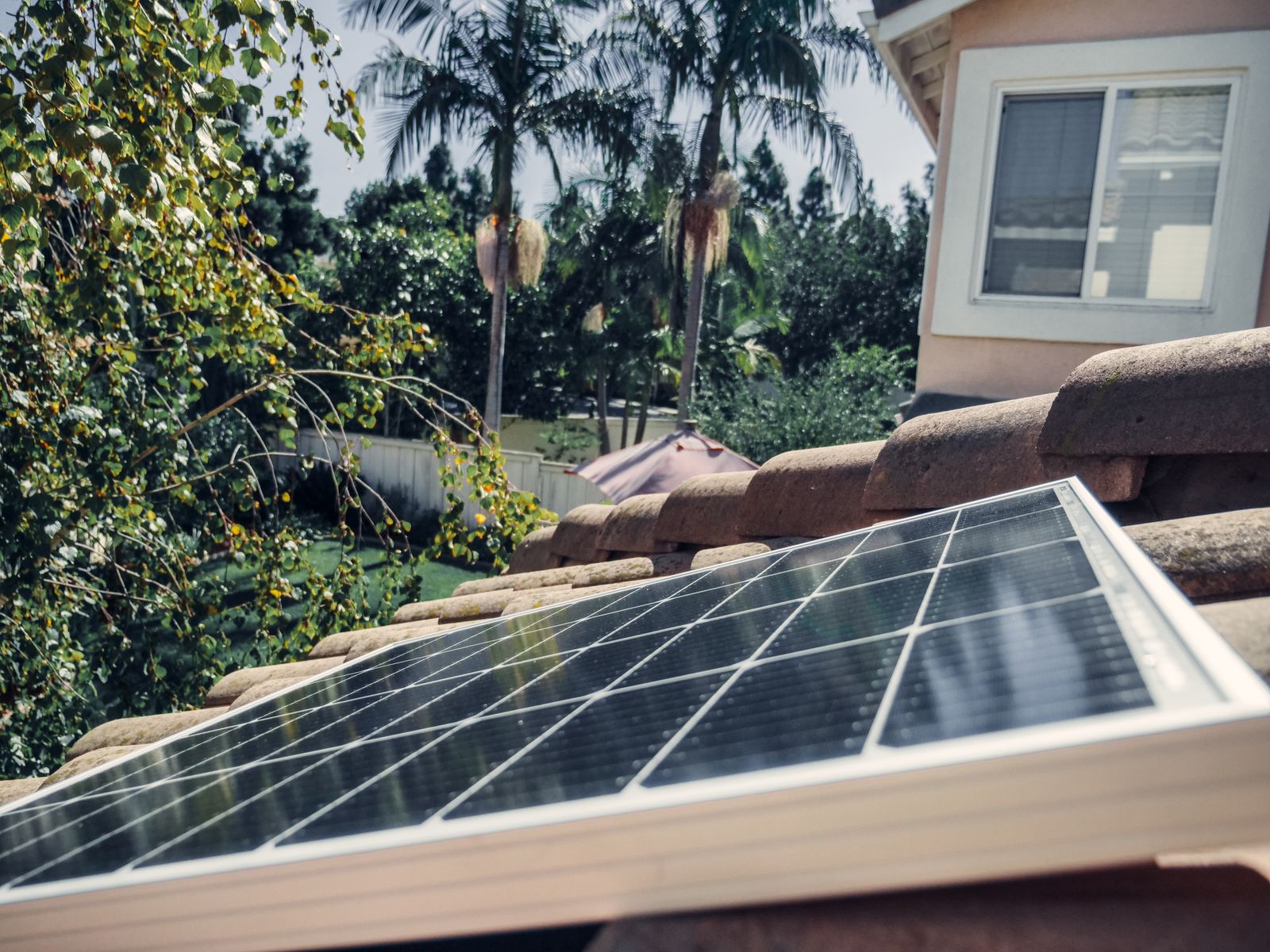
Photo by Kindel Media on Pexels
| Sunlight Exposure | 300mAh Battery Runtime | 600mAh Ni-MH Battery Runtime | 1200mAh Battery Runtime | Optimal Use Case |
| --- | --- | --- | --- | --- |
| 2–4 Hours (Shaded / Heavy Cloud) | 2–3 Hours | 4–6 Hours (Sustained Light) | 3–4 Hours (Incompletely Charged) | Partial Sun / Winter Recovery Days |
| 4–6 Hours (Partial Daylight) | 4–5 Hours | 8–10 Hours | 6–7 Hours (Incompletely Charged) | Standard East or West Wall Placement |
| 6–8 Hours (Full Direct Sunlight) | 6 Hours (Maxed Out) | 12 Hours (Full Dusk-to-Dawn) | 12 Hours (Fully Charged) | Ideal South-Facing Exterior Wall or Plaque |
The table below illustrates how daytime solar exposure directly affects nighttime battery storage and LED runtime across different battery capacities. A 600mAh Ni-MH battery strikes the optimal balance between charge acceptance time and 12-hour continuous operation.
Pro Tip: Optimizing Battery Storage Lifespan & Sunlight Angles
To maximize the multi-year performance of your 600mAh Ni-MH battery, perform an initial conditioning charge prior to permanent mounting. Turn the power switch off and place the sign in direct sunlight for 8 full hours. This conditions the chemical cells for maximum charge density. Furthermore, ensure the surface solar panel is angled slightly away from deep roof eaves to capture ambient solar radiation even during overcast afternoon hours.
Solar House Number Illumination Estimator
Use this specification framework to calculate expected nighttime illumination based on direct solar charging hours and battery storage capacity.
Top Recommended Spec for Year-Round Illumination
For effortless curb appeal and reliable visibility, choose an outdoor address sign engineered with an integrated 600mAh Ni-MH battery, high-efficiency surface solar panels, and warm LED light output. Encased in durable, IP44 waterproof ABS & PC materials, this combination resists rain, snow, and UV rays while requiring zero electrical wiring.
With auto-sensing dusk-to-dawn performance, the sign charges during the day and lights up automatically at night—making your home instantly recognizable to guests, delivery personnel, and emergency responders.
Featured Solar Lighted House Numbers
Upgrade your home's exterior with stylish, high-visibility address plaques engineered for all-weather performance and reliable solar storage.
Summary: Key Battery and Storage Metrics
Here are the primary technical considerations when evaluating battery storage for illuminated address plaques:
- 600mAh Capacity Ideal: Provides sufficient storage for 12 hours of continuous warm LED light without requiring massive solar surface area.
- 6-8 Hour Full Charge: Standard daylight charging window fully replenishes the Ni-MH cell for nightly operation.
- Automatic Sensor Integration: Dusk-to-dawn photo sensors prevent daytime battery drain, extending overall component life.
- IP44 Weather Resistance: Robust ABS & PC construction protects internal battery contacts against moisture, freezing temperatures, and UV degradation.
Seasonal Maintenance Schedule for Solar Address Sign Batteries
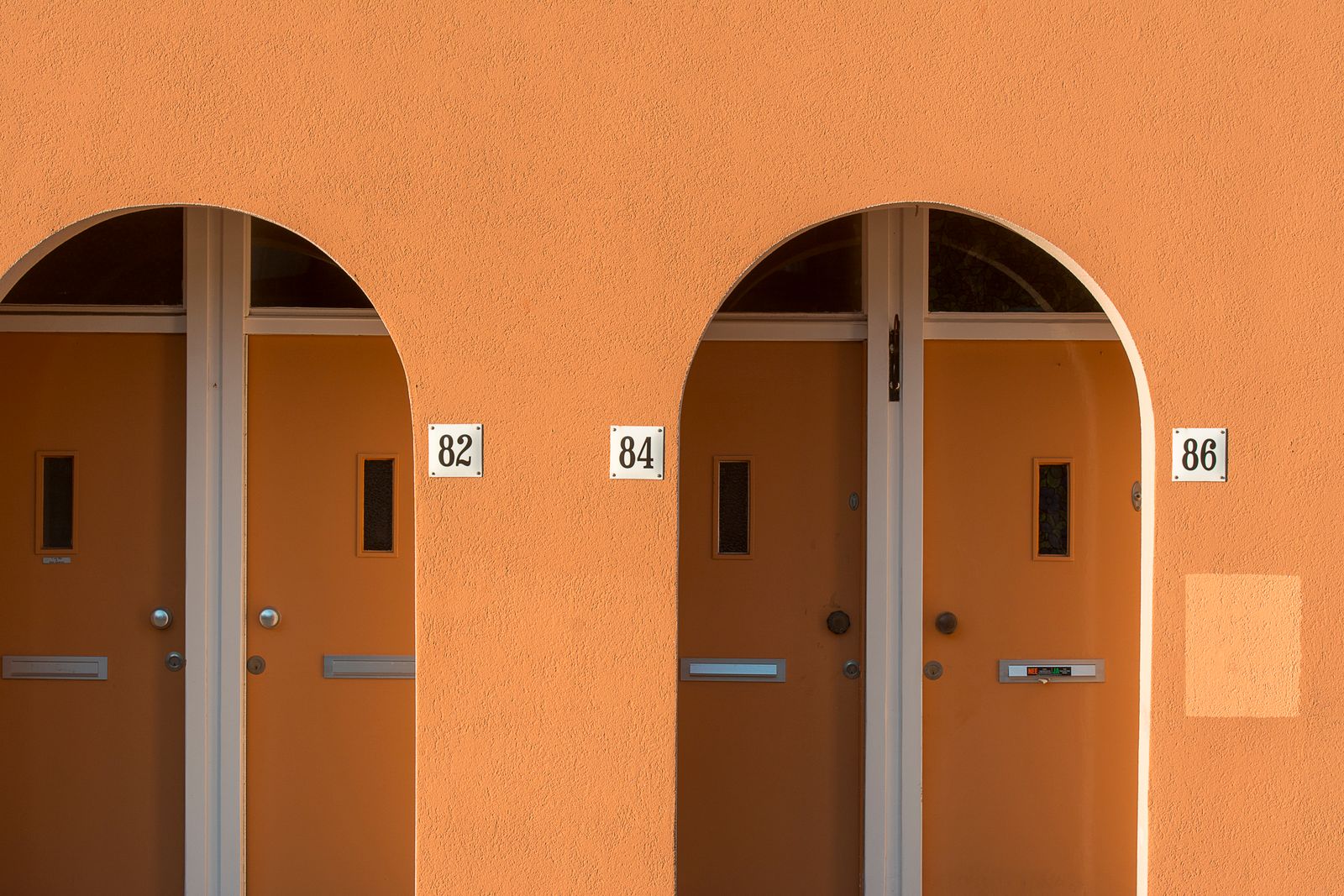
Photo by Jan van der Wolf on Pexels
- Spring (Post-Winter Inspection) — Wipe surface solar panel with a soft microfiber cloth to remove pollen and dust accumulation. Inspect IP44 rubber seals for weather tightness.
- Summer (Peak Direct Light) — Ensure overgrown tree branches or garden foliage have not cast new shade across the solar panel surface during peak sunlight hours.
- Autumn (Pre-Winter Prep) — Clean panel surface thoroughly; test automatic light sensor by covering the solar panel during daytime to verify instant LED illumination.
- Winter (Low Sun Angle & Snow) — Clear snow, slush, and frost off the solar panel top surface promptly after winter storms to maintain daily charging efficiency.
Technical Spec Matrix: Ni-MH vs. Lithium & Capacity Standards
| Specification | 600mAh Ni-MH (Recommended) | 300mAh Ni-MH | 1200mAh Lithium-Ion |
| --- | --- | --- | --- |
| Target Full Charge Time | 6–8 Hours Direct Sunlight | 3–4 Hours Direct Sunlight | 10–12 Hours Direct Sunlight |
| Max Nighttime LED Runtime | 12 Hours (Continuous) | 5–6 Hours (Partial Night) | 12+ Hours (Requires Large Panel) |
| Operating Temperature Range | -4°F to 140°F (-20°C to 60°C) | -4°F to 122°F (-20°C to 50°C) | 32°F to 113°F (0°C to 45°C) |
| Weather Protection Rating | IP44 Waterproof (ABS & PC) | IP20 Plastic Housing | IP44 Waterproof |
| Lifespan (Charge Cycles) | 500–1,000 Cycles (~2–3 Years) | 300–500 Cycles (~1–2 Years) | 300–500 Cycles |
Compare the core storage and operational specifications of different outdoor battery configurations used in illuminated address markers.
Common Solar Address Battery Mistakes to Avoid
Avoid these common setup and placement errors to ensure long-term energy storage and maximum nighttime brightness:
Frequently Asked Questions About Solar Address Sign Batteries
Answers to essential questions regarding battery lifespan, winter performance, and charging efficiency.
Actionable Next Steps for Upgrading Your Curb Appeal
Your decision: Select a solar address sign equipped with a 600mAh Ni-MH battery, IP44 weatherproofing, and automatic dusk-to-dawn sensors.
Do this next: Mount the address plaque on an unshaded wall or fence receiving 6-8 hours of direct daylight, and perform an initial 8-hour charge before first nighttime activation.
- Read next: How to Position and Install Solar Address Signs on Any Exterior Wall Surface
Solar Lighted House Numbers (Colour Name)
Enhance your home's exterior design and ensure emergency services and delivery drivers can find your residence day or night.
Related Guides & Technical Resources
Explore related guidance covering setup, upkeep, and seasonal care:
- Matching Solar Illuminated House Numbers to Home Architecture
- Solar Address Sign Battery Troubleshooting: How to Fix Dim Lights and Short Runtime
- Troubleshooting Moisture and Condensation in Solar Address Signs
- Buying Guide: Choosing the Best Weatherproof Solar Address Signs for Rain and Snow
Cover photo by Matt Webster on Pexels.