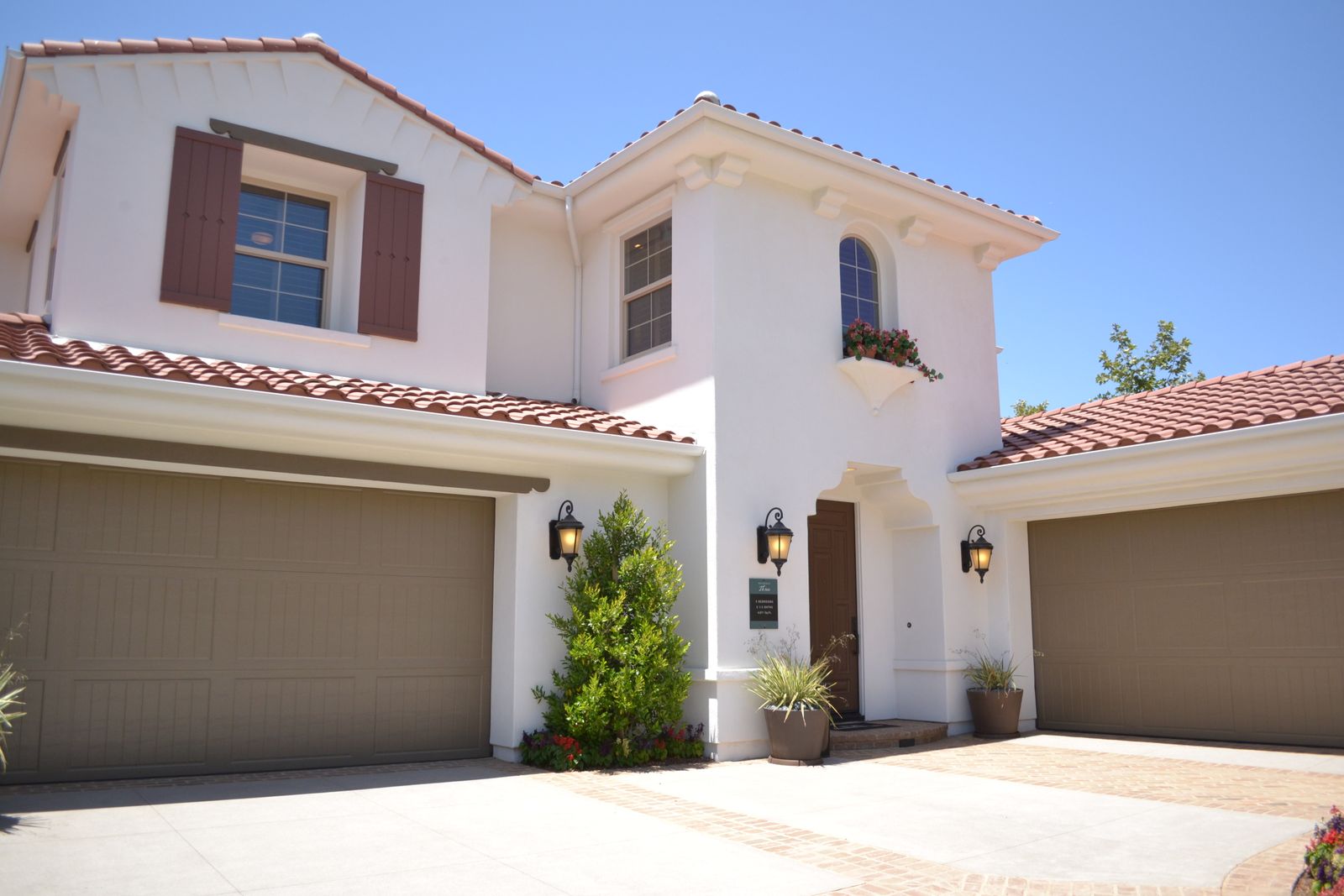
Standard House Number Placement Height & Sightline Guide
Mount house numbers between 54 and 66 inches (4.5 to 5.5 feet) off finished grade when placing them beside a front door, or 72 to 96 inches (6 to 8 feet) off finished grade when centering above a garage door header. Ensure a minimum of 6 to 12 inches of vertical clearance beneath roof soffits so top-mounted solar collectors receive 6 to 8 hours of direct daylight for 12 hours of nighttime LED illumination.
Key Elevation Standards at a Glance
- Main Entry Mounting Height: Install digits 54 to 66 inches above finished porch level on the latch side of the entrance for natural eye-level scanning.
- Garage Header Elevation: Target 72 to 96 inches off grade, centering numbers above the door trim to remain clear of parked vehicles and hood obstacles.
- Setback Legibility Formula: Scale digit height by 1 inch for every 10 feet of roadway setback (minimum 4 inches under International Residential Code R319).
- Solar Shadow Clearance: Position top solar collectors at least 6 to 12 inches below roof eaves to prevent daytime overhang shadows from starving the battery.
- Sensor Buffer Radius: Maintain 36 inches of separation between automated solar address light sensors and active exterior sconces to avoid false light shutoffs.
Mounting Height Specifications Matrix
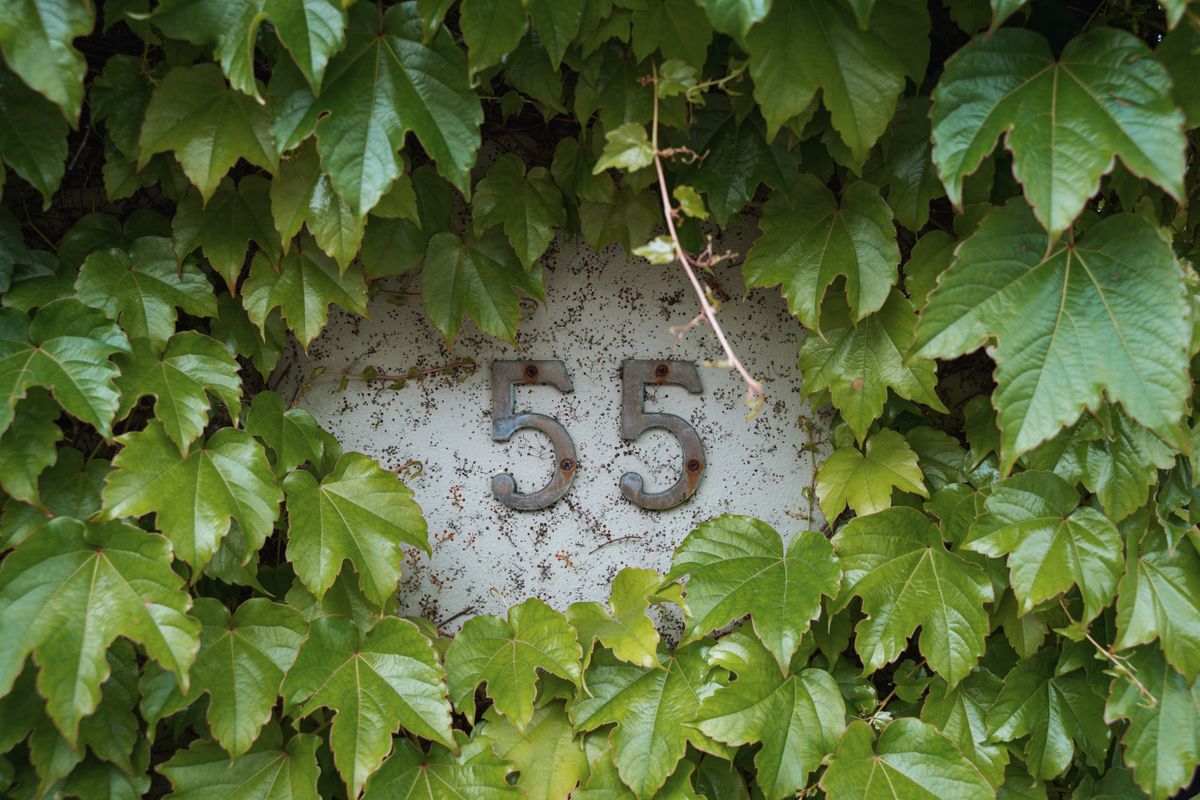
Photo by Gilberto Olimpio on Pexels
| Mounting Location | Target Elevation (Off Grade) | Recommended Digit Height | Minimum Eave Clearance | Key Visibility Target |
| --- | --- | --- | --- | --- |
| Main Entrance Wall (Latch Side) | 54–66 inches (4.5–5.5 ft) | 4–5 inches | 6 inches below eave | Pedestrian & Driver Sightline (Eye Level) |
| Garage Door Header (Centered) | 72–96 inches (6–8 ft) | 5–6 inches | 12 inches below eave | Street-Level Vehicle Approach (Clear of Hoods) |
| Porch Column / Archway | 54–60 inches (4.5–5.0 ft) | 4–5 inches | 8 inches from overhang | Side Angle Walkway Approach |
| Curbside Post / Retaining Wall | 42–54 inches (3.5–4.5 ft) | 4–6 inches | Unobstructed Sky | Long Setback / Tree-Covered Frontage |
Visual Elevation & Sightline Diagram
Sightline & Digit Height Calculator Specification
Expert Tip: Solar Eave Clearance & Sensor Isolation
When positioning solar-powered illuminated house numbers, two critical environmental variables dictate nightly runtime and optical performance: eave shading and photocell glare.
A standard 12-inch roof soffit casts a downward shadow envelope extending 18 to 24 inches along your exterior wall during peak mid-day solar irradiance. Mounting your fixture within this zone reduces photovoltaic efficiency by up to 75%. Always drop solar address signs at least 6 to 12 inches below the lowest fascia line to guarantee the internal 600mAh NI-MH battery receives its full 6 to 8 hours of direct daylight.
Simultaneously, maintain a 36-inch minimum distance from high-output AC porch sconces. Automatic light sensors activate at dusk when ambient light drops below ~10 lux; direct illumination from an adjacent 60W-equivalent LED bulb will trick the photocell, leading to continuous fixture shutting off or rapid strobing.
Placement Decision Framework by Architectural Setup
Selecting your address sign mounting location requires balancing street sightlines, local municipal code compliance, and direct daylight exposure for solar charging.
Best choice for
- Front Entrance Wall Trim (54–66 in High) — Matches human eye level (5.5 ft average), aligns with entryway walkway lighting, and provides immediate recognition for delivery drivers.
- Above Garage Door Header (72–96 in High) — Elevates numbers above parked cars and landscape bushes, maximizing visibility angle from fast-approaching vehicles.
- Mounting lower than 48 inches on exterior house walls where shrubs, railings, or parked cars block driver vision.
- Placing solar signs directly under overhangs deeper than 12 inches without vertical drop clearance.
- Curbside Post / Fence Entry Mount — Ideal for properties with setbacks over 100 feet or dense tree canopies blocking house frontage.
Recommended Illuminated Solar Address Hardware
For reliable 12-hour illumination, choose address signs built with high-efficiency photovoltaic cells, weather-resistant materials, and high-contrast contrast optics.
Municipal Code and IRC Compliance Standards
The International Residential Code (IRC), under section R319, mandates that all residential buildings display approved address numbers. According to IRC R319 specifications, numbers must be a minimum of 4 inches (102 mm) in height, possess a minimum stroke width of 0.5 inches (12.7 mm), and feature a high-contrast color scheme relative to the mounting background. While unlit plaques meet minimum daylight requirements, emergency service personnel (EMTs, fire crews, police) strongly favor internally illuminated or backlit solar address plaques that maintain visibility at distances exceeding 150 feet in complete darkness.
Vehicle Approach Speed and Setback Mathematics
When a emergency response vehicle or delivery driver approaches a residential property at 25 to 30 mph (36.6 to 44 feet per second), the driver requires a minimum 3 to 5 second visual recognition window to safely decelerate and identify the entrance path. This creates a minimum legible sightline requirement based on property setback:
``` Legible Distance Rule: Minimum Digit Height (inches) = Setback Distance (feet) ÷ 10 (Subject to IRC absolute minimum of 4.0 inches) ```
Photovoltaic Charging and Environmental Optics
Solar-powered address signs integrate top-mounted photovoltaic collectors that charge an internal 600mAh NI-MH battery. Achieving a consistent 12-hour night runtime requires 6 to 8 hours of direct, unshaded sunlight daily.
``` Solar Efficiency Coefficient = Actual Solar Exposure Hours ÷ 8.0 Hours Required Target Output: 1.0 (100% capacity = 12 hours LED illumination at ~10 lux threshold) ```
To prevent structural shading, calculate the minimum downward mounting offset relative to your roof overhang depth:
- 6-inch Overhang Depth: Mount plaque at least 4 inches below soffit trim.
- 12-inch Overhang Depth: Mount plaque at least 8 inches below soffit trim.
- 18-inch Overhang Depth: Mount plaque at least 14 inches below soffit trim.
Surface Mounting & Substrate Anchoring Mechanics
Installing illuminated address plaques constructed from durable ABS & PC composite requires solid mechanical anchoring to withstand wind uplift and thermal expansion:
- Masonry and Brick: Drill pilot holes using a 3/16-inch masonry bit, insert expanding nylon anchors, and secure with 1.5-inch stainless steel screws.
- Vinyl and Hardie Plank Siding: Use siding mounting clips or drill clearance holes through vinyl to prevent buckling, securing screws into underlying wall studs or framing sheath.
- Stucco and EIFS: Utilize specialized threaded drywall/stucco plaster anchors sealed with exterior-grade clear silicone caulk to block water intrusion behind the housing.
Height Guidelines by Street Setback & Installation Scenario
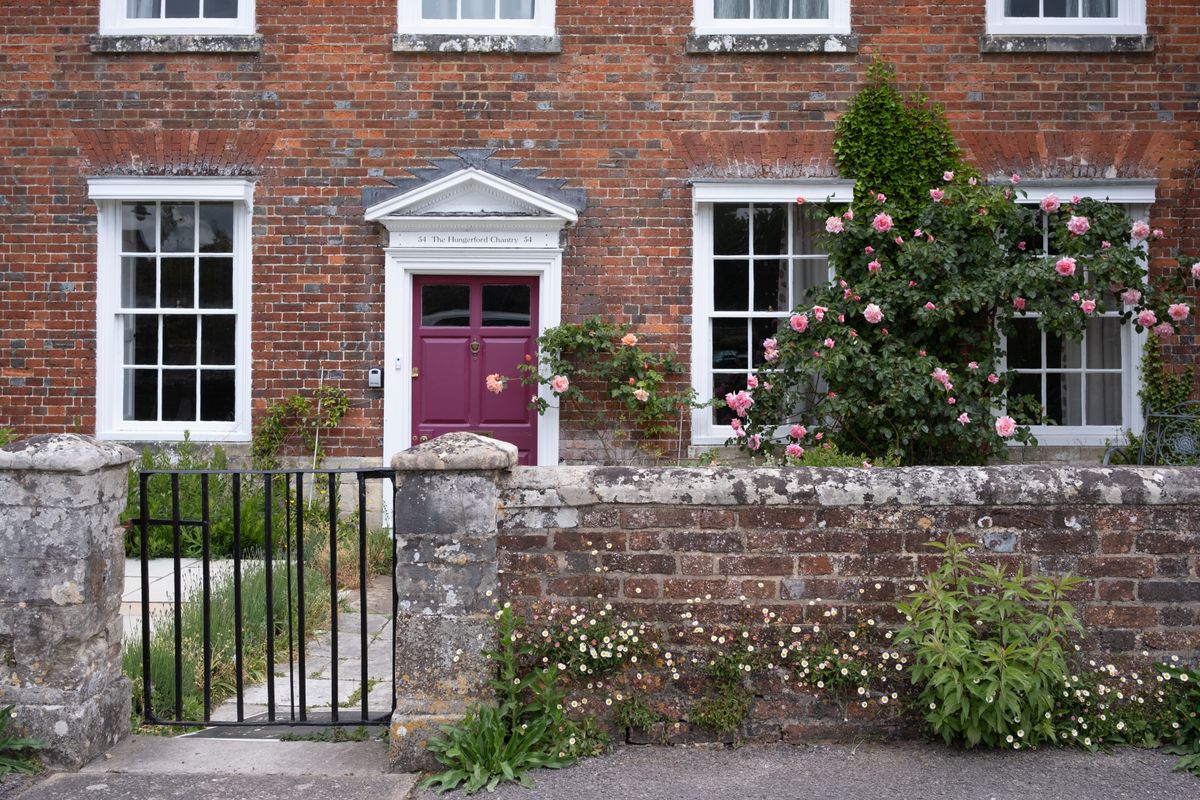
Photo by Ben Prater on Pexels
| Installation Scenario | Setback Distance | Recommended Height Range | Digit Size Requirement | Solar Exposure Strategy |
| --- | --- | --- | --- | --- |
| Urban Townhome / Zero Lot Line | 0–15 ft | 54–60 in (Porch wall) | 4 inches (Standard IRC) | Mount on south or west facing entry wall trim |
| Suburban Single Family | 15–40 ft | 54–66 in (Entry) / 72 in (Garage) | 4–5 inches | Maintain 6+ inch drop below soffit fascia |
| Deep Setback Suburban | 40–75 ft | 72–96 in (Garage Header) | 6 inches | Full sky exposure centered over main garage bay |
| Rural / Estate Frontage | 75–150+ ft | 42–54 in (Curbside Post) | 7–8+ inches or Dual-Location | Mount on dedicated post outside tree canopy |
5 Placement Mistakes That Destroy Visibility and Charge
Avoid these critical installation errors that compromise night illumination, battery longevity, and emergency compliance:
Related Technical Guides & Standards
- Optimal House Number Height: How High to Mount Address Signs for Maximum Street Visibility
- Where to Mount Solar House Numbers for Maximum Sunlight and Nighttime Visibility
- Where to Install House Numbers for Maximum Visibility for Delivery and First Responders
Frequently Asked Questions
Should house numbers go on the left or right side of the front door?
Place numbers on the side nearest the approach path or main entryway light fixture, ideally on the latch side of the door 54 to 66 inches high. Ensure uninterrupted sightlines from the main approach driveway.
How high should address numbers be mounted over a garage?
Mount numbers centered above the garage door header between 6 and 8 feet (72 to 96 inches) off the ground, ensuring they remain visible above parked vehicles.
Will solar house numbers work under a porch overhang?
They will charge if the overhang allows at least 6 to 8 hours of indirect daylight, but for optimal 12-hour nightly operation, place them far enough below or outside deep overhangs to catch direct daylight.
Are lit solar address signs compliant with emergency responder regulations?
Yes. Illuminated address signs exceed standard visibility codes (IRC R319) by maintaining high-contrast visibility at night without requiring external electrical wiring.
Action Plan: Marking and Verifying Elevation
Your decision: Determine your precise mounting location based on front entrance visibility and direct solar sunlight exposure.
Do this next: Measure 54 to 66 inches from your porch floor next to the front door, or target 6 to 8 feet centered above the garage door. Confirm that roof soffits do not block overhead sunlight.
- Read next: How to Install Solar House Numbers Without Wiring or an Electrician
- Read next: Where to Install House Numbers for Maximum Visibility for Delivery and First Responders
Upgrade to Solar Lighted House Numbers featuring an integrated 600mAh battery, dusk-to-dawn auto-sensor, and IP44 weatherproofing.
Cover photo by Luis Yanez on Pexels.