Fix Solar House Number Sensors: Dusk-to-Dawn Troubleshooting Guide
Is your solar address light failing to illuminate at night, staying on during daylight hours, or flickering rapidly at dusk? Perform the 30-second black-cloth test by covering the photodiode light sensor lens completely. If the LED illuminates immediately, artificial ambient light or improper angle is blinding the sensor. If it remains dark after 6 to 8 hours of direct sunlight, inspect for dirty lenses, depleted 600mAh NI-MH batteries, or moisture intrusion.
Dusk-to-Dawn Light Sensor Diagnostic Flowchart
- Does the LED light up when the sensor is covered with a black cloth? → Yes: Issue is Ambient Light Interference. Proceed to sensor repositioning.. No: Proceed to Battery & Switch Verification..
- Is the master power switch securely toggled to the ON position? → Yes: Proceed to Sun Exposure & Solar Panel Charging Test.. No: Switch toggle to ON, charge 6-8 hours in direct sunlight, and test again..
- Does the unit light up after receiving 6-8 hours of direct sunlight charging? → Yes: Issue was Low Battery Charge / Shaded Panel Placement.. No: Replace internal 600mAh NI-MH battery or inspect for IP44 water intrusion..
Failure Mode Matrix & Quick Fixes
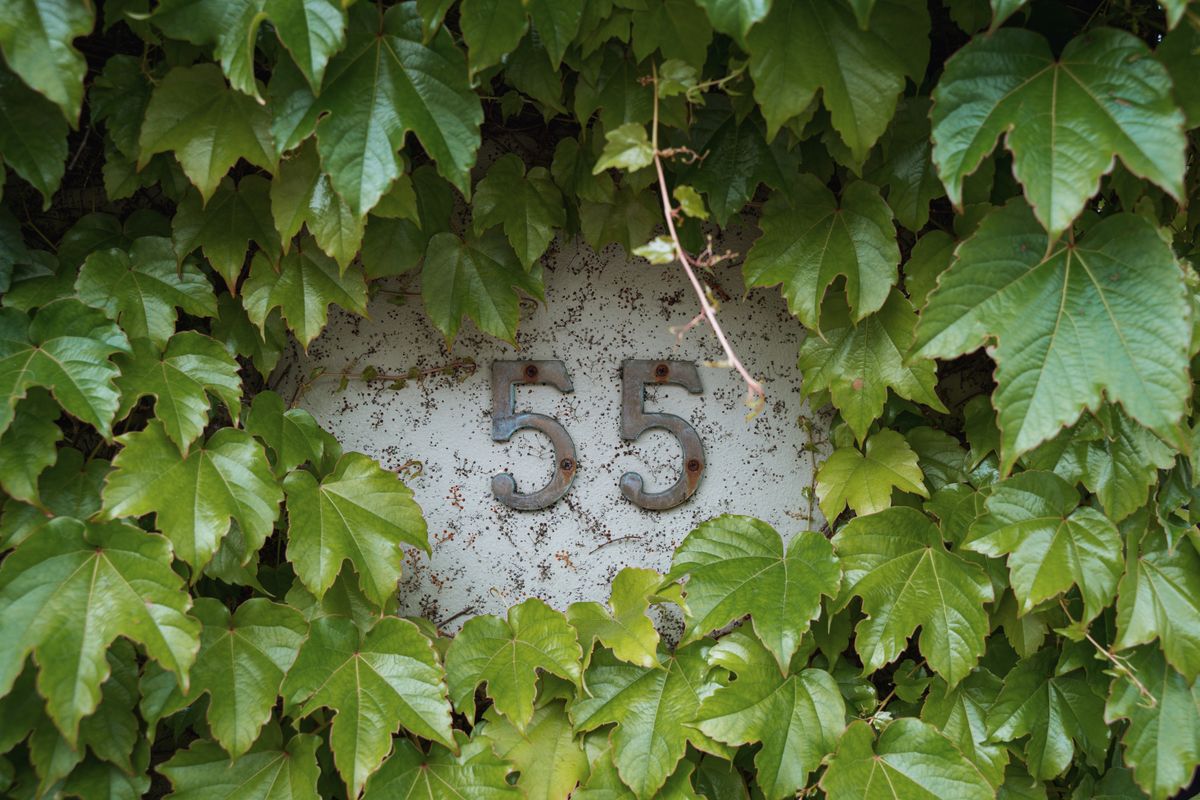
Photo by Gilberto Olimpio on Pexels
| Failure Mode | Root Cause | Lux / Voltage Threshold | Resolution Step |
| --- | --- | --- | --- |
| Rapid Flickering at Dusk (Hunting) | Photodiode receives feedback loop from its own LED illumination or nearby porch fixture reflection. | Ambient Lux fluctuating around 10–30 Lux optical boundary. | Reposition fixture 5+ feet away from reflective vinyl/glass surfaces or adjust sensor tilt. |
| Stays Completely Dark at Night | Depleted 600mAh NI-MH battery or bright streetlight keeping sensor in daytime off-mode. | External light pollution exceeding 50 Lux at photodiode. | Perform black-cloth test. If unlit when covered, replace the 600mAh NI-MH battery. |
| Stays Illuminated During Daylight | Photodiode lens coated in grime, heavy bird droppings, or internal PCB solder joint failure. | Sensor reading under 5 Lux despite ambient sun daylight. | Clean lens with microfiber cloth and mild soap. If issue persists, replace logic board or sign unit. |
| Dim Output After 2 Hours of Night | Insufficient daylight charging due to tree overhang shadows or degraded battery cells. | Battery terminal voltage under 1.1V under load. | Clean solar panel surface; clear overhanging tree branches; swap out worn NI-MH cell. |
Compare your exact solar house number failure mode against root causes, voltage/lux indicators, and immediate home repair steps.
Expert Tip: Isolating Photodiode Failure with the 30-Second Black-Cloth Test
Do not assume a dark solar house plaque has a broken light sensor simply because it fails to turn on at night. The most frequent culprit is artificial light pollution blinding the photo-resistor. To isolate the circuit, cover the sensor completely with a piece of dark opaque cloth or black electrical tape for 30 seconds during full daylight. If the warm LED array immediately turns on, your sensor and internal 600mAh NI-MH battery are functioning perfectly—the installation spot is simply receiving too much ambient light from streetlights or porch fixtures at night.
Sensor Repair vs. Sign Replacement Decision Tree
- Is the ABS & PC casing intact without water condensation inside the lens? → Yes: Proceed to clean photodiode lens and perform battery swap test.. No: IP44 waterproof seal has failed causing circuit corrosion. Replace full address sign unit.
- Does replacing the 600mAh NI-MH battery restore continuous 12-hour illumination? → Yes: Sign restored to full operation. Maintain clean solar panel surface quarterly.. No: Internal photodiode logic board failed. Replace fixture with modern solar address unit.
Immediate Action Plan to Restore Nighttime Illumination
Your decision: Identify whether artificial light bleed, dirty optics, or cell degradation is keeping your solar house numbers dark.
Do this next: Execute the 30-second black-cloth test on your sign and clean the optical sensor lens with a damp microfiber cloth.
- Read next: How to Maximize Solar Panel Performance and Battery Life on Outdoor Address Signs
- Read next: Where to Mount Solar House Numbers for Maximum Sunlight and Nighttime Visibility
If internal water corrosion has damaged your plaque, upgrade to our high-durability Solar Lighted House Numbers equipped with intelligent dusk-to-dawn photodiode sensors.
Follow these steps to diagnose your sign today, or replace impaired fixtures with high-visibility illuminated address plaques.
Recommended Waterproof Solar Address Signs
If your existing address fixture has suffered irreversible PCB corrosion or optical failure, upgrade to modern solar house numbers designed for all-weather outdoor performance.
Solar Lighted House Numbers
- Features: Warm LED illumination, integrated intelligent light sensor, solar powered with pre-installed 600mAh NI-MH rechargeable battery, IP44 waterproof ABS & PC construction, easy wall mounting with included positioning guide and hardware.
- Performance: Charges in 6-8 hours of direct sun to deliver 12 full hours of uninterrupted night visibility for delivery drivers and emergency services.
Key Takeaways for Sensor Maintenance
- Light pollution from streetlights or porch lamps above 50 Lux will prevent automatic sensors from triggering.
- Flickering at dusk is caused by optical feedback loops, easily solved by adjusting sensor clearance by 5 feet.
- A 600mAh NI-MH battery requires 6 to 8 hours of unobstructed sunlight to support 12 hours of warm LED light output.
- Polycarbonate (PC) sensor lenses must be cleaned using water and microfiber only—never acetone or glass cleaner.
- IP44 waterproof ratings protect against splashing rain and snow, but cracked housing requires complete replacement.
Step-by-Step Sensor Calibration & Cleaning Procedure
Photo by Erik Mclean on Pexels
Perform this comprehensive 4-step maintenance process to calibrate your dusk-to-dawn photodiode and eliminate false daylight shut-offs.
Common Mistakes That Trigger False Sensor Shut-Offs
Avoid these frequent installation and care errors that blind light sensors and drain battery reserves prematurely.
Frequently Asked Questions About Solar Address Light Sensors
Get clear expert answers to common questions regarding dusk-to-dawn light sensor operation.
Related Solar Address Sign Troubleshooting & Care Guides
- Troubleshooting Loose Solar Address Lights across Different Wall Types
- Solar Lighted House Numbers Maintenance & Weathering Support: IP44 Protection and Winter Performance Troubleshooting
- Modern Solar Address Light Evaluation Framework
Summary & Diagnostic Next Steps
Your decision: Determine whether your photodiode requires cleaning, repositioning away from porch lighting, or a battery replacement.
Do this next: Execute the 30-second black-cloth test today to isolate artificial light interference from electrical faults.
Related resource: Contact customer support for hardware replacement if internal wiring shows water damage.
Check out our all-weather Solar Lighted House Numbers featuring intelligent dusk-to-dawn sensors and weather-resistant IP44 ABS & PC construction.
Take action now to fix sensor misconfigurations or replace damaged components.
Cover photo by Arian Fernandez on Pexels.