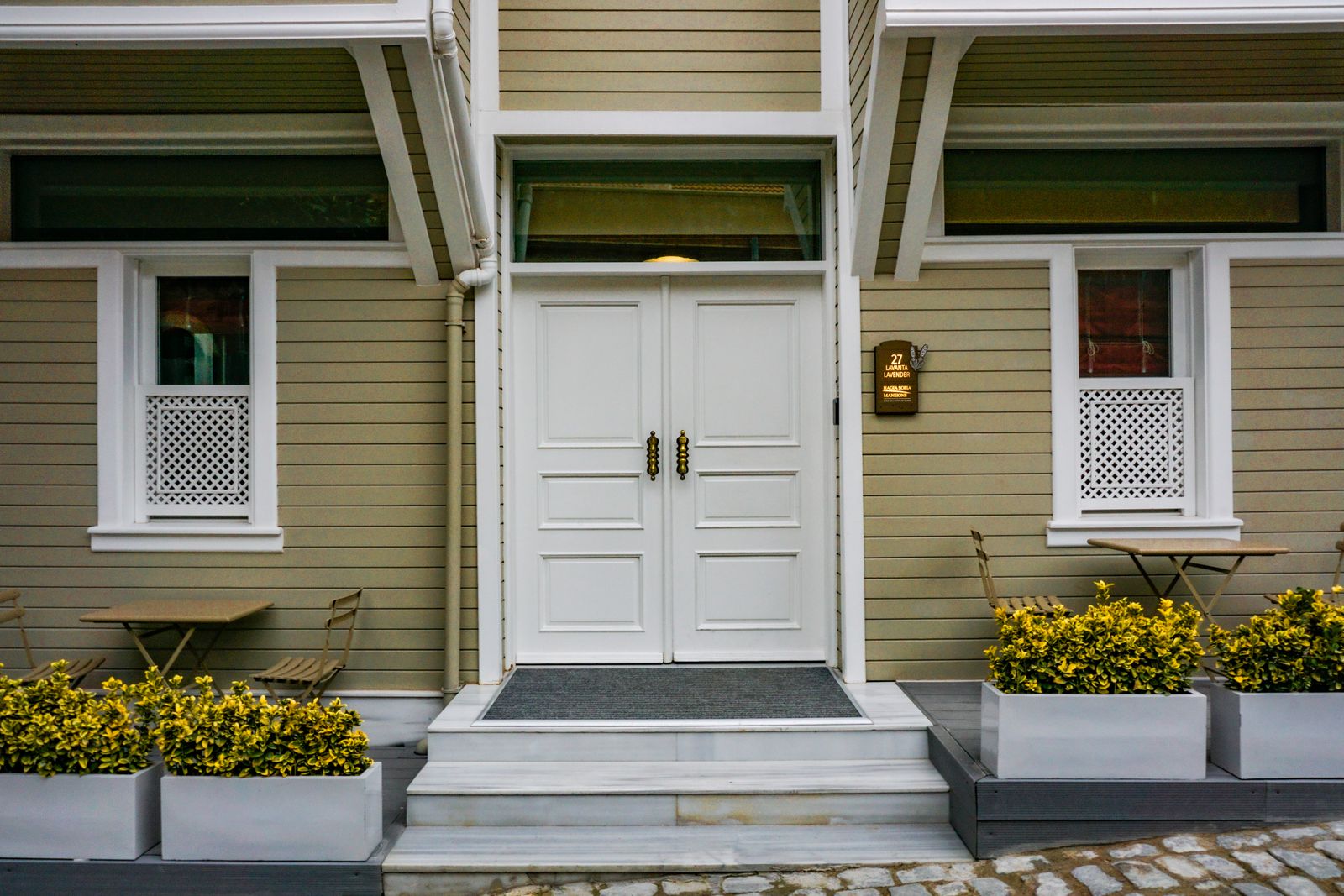
Emergency Visible House Numbers: Nighttime Safety & Code Guide
4 inches is the legal minimum height for residential house numbers under International Fire Code (IFC) 505.1. However, 6-inch actively illuminated solar LED numbers on high-contrast backgrounds are required for nighttime recognition from 100 feet away at 25 mph, eliminating up to 60 seconds of search delay during emergencies.
Core Visibility Principles for First Responders
- Size Standards: Maintain a minimum 4-inch digit height for setbacks up to 50 feet; scale to 6–8 inches for setbacks exceeding 50 feet.
- Active Illumination: Self-powered solar LED signs provide 360-degree night visibility regardless of vehicle headlight angles, unlike passive reflective digits.
- High Contrast: Black digits on a white background deliver the highest visual contrast ratio (over 15:1), ensuring readability under rain, fog, and glare.
- Continuous Power: A 600mAh NI-MH battery charging for 6–8 hours of sunlight yields 12 hours of uninterrupted nighttime illumination.
- Mounting Zone: Install signs 4 to 6 feet above ground level to align directly with driver eye levels and vehicle headlight beams.
Emergency Sight-Distance and Digit Height Specifications
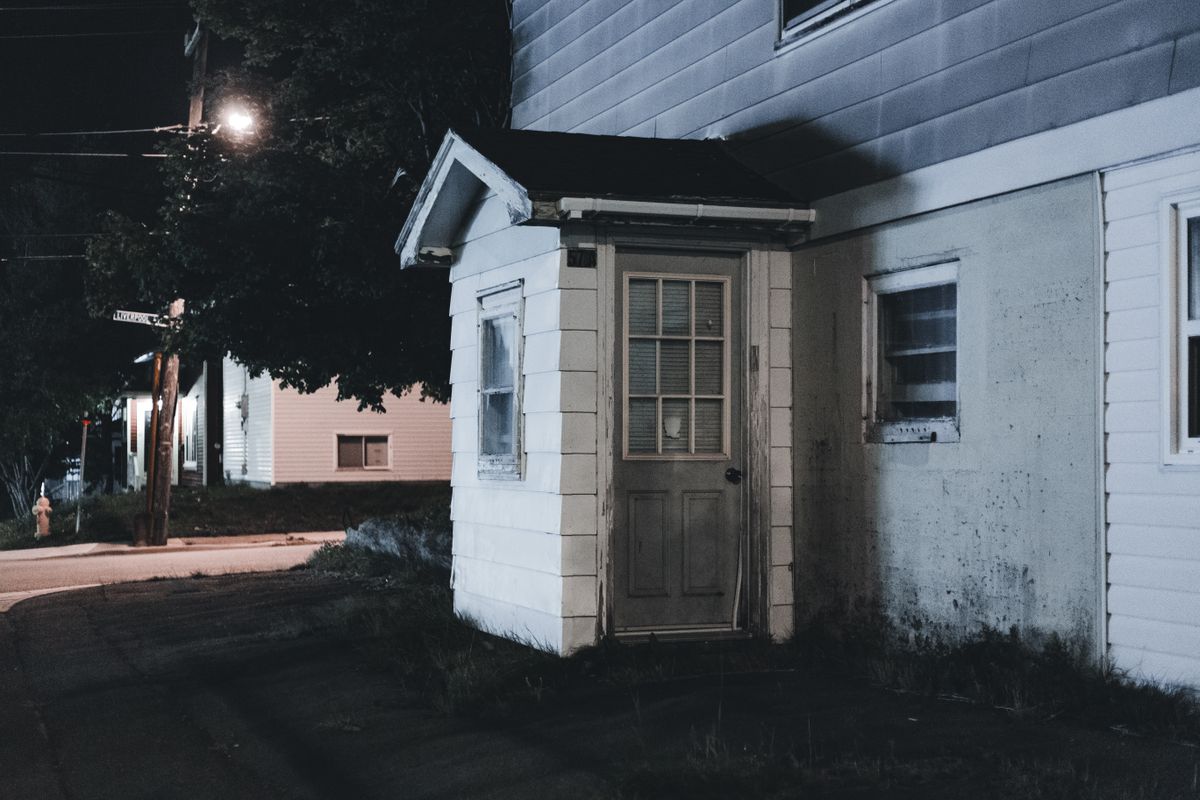
Photo by Erik Mclean on Pexels
| Roadway & Setback Scenario | Min Digit Height | Max Setback Distance | Required Lighting Type | Expected Response Time Impact |
| --- | --- | --- | --- | --- |
| Suburban Street (25 mph, Standard Setback) | 4 to 6 inches | 35 to 50 feet | Active Solar LED (Warm White) | Saves 30–45 seconds versus unlit plaques |
| Deep Property Setback (25–35 mph, Long Driveway) | 6 to 8 inches | 50 to 100 feet | Dual Active Solar LED (Post + House Entry) | Saves 60–90 seconds in complete darkness |
| Rural Roadway / Unlit Highway (40+ mph) | 8 to 10 inches | 100+ feet | High-Lumen Active Solar LED at Driveway | Prevents missed turnarounds and overshooting |
| Adverse Weather (Rain, Heavy Fog, Snowfall) | 6 inches (High Contrast) | 0 to 75 feet | 3000K Warm LED with IP44 Waterproof Enclosure | Penetrates haze 3x farther than passive reflective signs |
First responders navigating at residential speeds require sufficient visual distance to identify address numbers, process the information, and safely stop the vehicle. The matrix below outlines required digit sizing, setback limits, and lighting specifications across common residential roadway scenarios.
Diagram Specification: Emergency Vehicle Sightline & Field of View
The diagram below specifies how approaching emergency vehicles sweep residential streets with low-beam headlights and how active illumination bridges blind spots.
Nighttime Address Audit Checklist
- Drive 100 feet down your street at 20 mph after dark; verify if numbers are identifiable within 3 seconds.
- Check that numbers contrast sharply with their background (e.g., black digits on bright white background).
- Ensure tree branches, architectural pillars, or parked vehicles do not obstruct the line of sight from the street.
- Verify that numbers remain visible when porch lights are completely turned off.
- Confirm digit height measures at least 4 inches (or larger for setbacks over 50 feet).
- Test that your sign maintains illumination throughout the early morning hours (6+ hours runtime).
Visualizing Response Time Delays vs. Address Visibility
This infographic blueprint contrasts the timeline of emergency vehicle dispatches reaching homes with unlit numbers versus active solar illuminated displays.
Expert Advice on Emergency Contrast Ratios
> Fire Marshal Insight: "When ambulances or fire engines respond to calls at 2:00 AM, ambient street lighting is rarely sufficient. Passive reflective digits rely entirely on the vehicle's headlight beam striking the sign at a perpendicular angle. If your home sits on a curve or elevated embankment, reflective signs fail. An active LED illuminated address plaque mounted at 5 feet off the ground provides independent light emission, allowing personnel to identify your house from any approach angle long before headlight beams align."
Initial Action Plan for Homeowners
Your decision: Determine whether your current address numbers can be read from 100 feet away in pitch darkness with porch lights off.
Do this next: Audit your address sign using our 6-step checklist tonight. If numbers are unlit or smaller than 4 inches, upgrade to an active solar illuminated display.
Related resource: Review International Fire Code (IFC) Section 505.1 standards for local compliance details.
Solar Lighted House Numbers (Black Sign with Warm White LEDs, IP44 Weatherproof)
Before purchasing new address hardware, conduct the 6-step audit outlined above during night hours. Measure the setback distance from your curb to your primary mounting location to select the appropriate digit height and light output.
Selecting the Right Address Visibility Upgrade
Active solar lighted address signs offer the optimal balance of zero-cost electrical installation, 24/7 power independence, and compliance with emergency response visibility standards.
Best choice for
- Solar Lighted House Numbers (Wall Mount) — Eliminates complex electrical wiring while providing 12 hours of dusk-to-dawn warm LED lighting.
- Solar Lighted House Numbers (Mailbox or Post Mount) — Positions active light source directly at the curb line where emergency drivers first make visual contact.
- IP44 Rated ABS & PC Solar Plaques — Sealed housing prevents water ingress and resists yellowing or cracking under seasonal temperature swings.
- Installing address plaques beneath deep covered porches where solar panels receive less than 4 hours of direct sunlight daily.
- Using dark brass or low-contrast bronze digits mounted against dark brick or brown wooden siding.
- Hardwired Low-Voltage LED Address Sign — Requires routing 12V electrical wiring from a transformer; best suited for new construction projects.
- Passive Retroreflective Metal Plaque — Low initial cost but relies entirely on direct vehicle headlight beams striking the sign.
Recommended Solar Address Hardware for Emergency Visibility
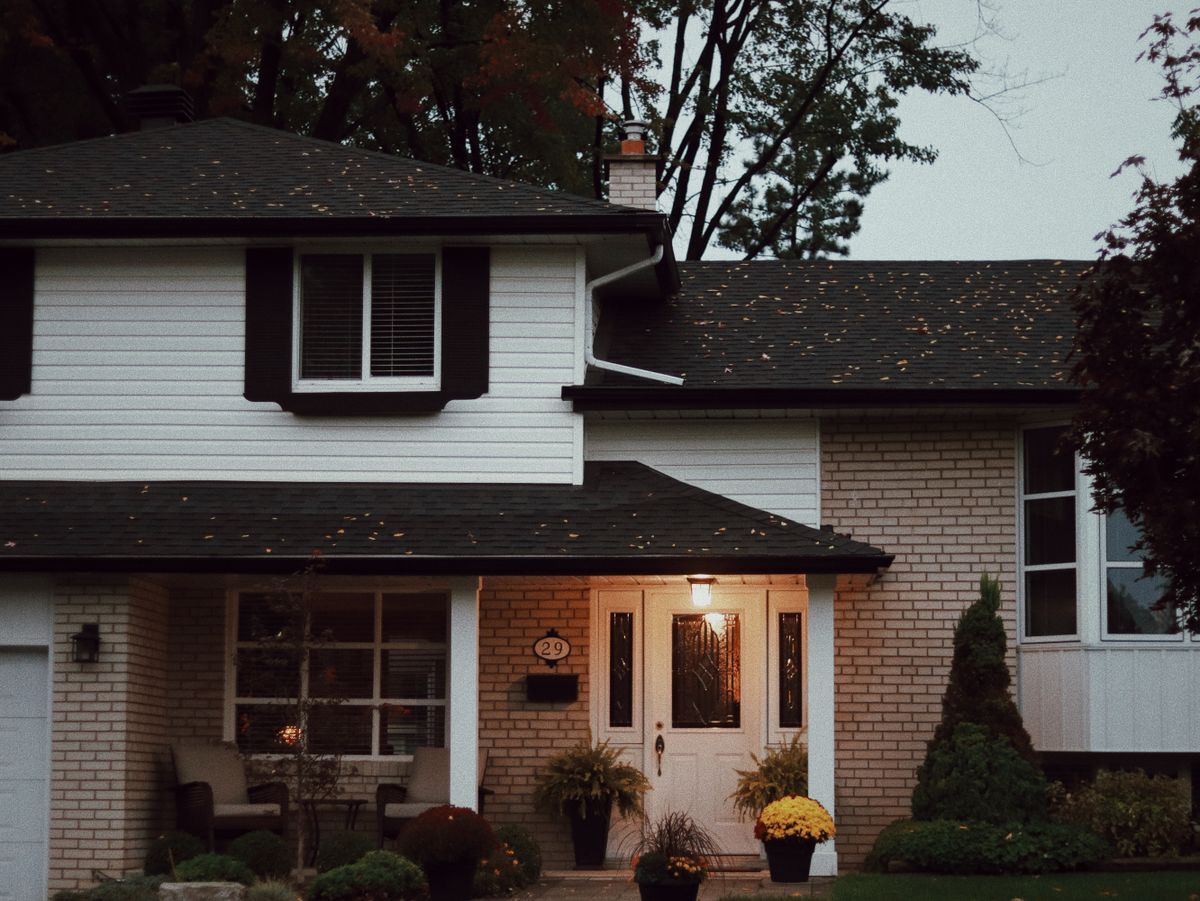
Photo by Dalia Al-Refai on Pexels
For homeowners seeking immediate compliance with nighttime visibility guidelines, active solar LED signs provide plug-and-play installation without electrical contractors.
Why Seconds Count During Nighttime Emergency Dispatches
In emergency medicine and fire suppression, the concept of the "Golden Hour" dictates that rapid intervention significantly improves patient outcomes and reduces structural property loss. When an ambulance, police unit, or fire apparatus is dispatched at night, navigation relies heavily on street-level address identification. Unlit, tarnished, or undersized house numbers force emergency operators to slow down, search with handheld spotlights, or cross-reference GPS mapping that may have offset coordinates.According to national emergency response observations, unlit or obscured house numbers add an average of 45 to 90 seconds to arrival times. In cardiac arrest scenarios, brain tissue deprivation begins within 4 minutes; thus, a 60-second delay in address identification directly impacts survival odds.
International Fire Code (IFC 505.1) Requirements
Section 505.1 of the International Fire Code mandates that new and existing buildings shall have approved address numbers, building numbers, or approved building identification placed in a position that is plainly legible and visible from the street or road fronting the property. Key tenets include:Photometric Performance: Active LEDs vs. Passive Reflection
Visual acuity at night depends on contrast luminance ($L_c = L_{object} - L_{background}$). Passive reflective numbers only function when light from an approaching vehicle strikes the retroreflective material within a narrow entry angle (typically 15 to 30 degrees). If an emergency vehicle approaches from a side angle, or if headlight beams are dipped on low settings, passive digits reflect minimal light back to the driver's eye line.In contrast, active solar lighted house numbers utilize surface-mounted solar cells to store energy during daylight hours in an internal 600mAh NI-MH battery. Upon dusk detection, the integrated light sensor activates internal surface-mounted LEDs. These LEDs emit uniform warm light through a diffusion lens, creating an active luminance field visible across 180 degrees regardless of external light sources.
Weatherproofing and Material Durability (IP44 Standard)
Outdoor address plaques are subjected to extreme environmental stress, including rain, freezing snow, high winds, and solar radiation. Low-grade outdoor plastics undergo photo-oxidation under UV rays, turning brittle and yellowing over time, which degrades contrast.High-performance solar address plaques utilize a combined ABS (Acrylonitrile Butadiene Styrene) frame and PC (Polycarbonate) light diffuser lens. ABS provides high impact strength and structural rigidity, while Polycarbonate exhibits superior heat resistance and high clarity. Rated to IP44 ingress protection standards, these enclosures prevent water splash penetration from any direction and seal internal electronics against dust, ensuring multi-season operation across temperature ranges from -4°F to 120°F.
Comparing Unlit, Reflective, and Active Solar Address Signs
| Night Driving & Weather Scenario | Standard Unlit Plaque | Passive Reflective Digits | Active Solar LED Lighted Sign |
| --- | --- | --- | --- |
| Pitch Dark Street (Porch Lights Off) | Invisible beyond 15 feet; requires spotlight searching. | Visible at 40–50 feet only within direct headlight beam. | Clearly visible at 100+ feet from any viewing angle. |
| Side Approach / Curved Driveway Entrance | Invisible; zero light reflection or emission. | Fails when headlight angle exceeds 30 degrees. | Maintains full 180-degree omnidirectional legibility. |
| Heavy Rain, Fog, or Atmospheric Haze | Completely obscured by rain droplets and darkness. | Headlight glare causes retroreflective washout. | 3000K warm LED light penetrates water haze cleanly. |
| Power Outage / Grid Failure | Remains unlit and dark. | Functions only when vehicle lights strike directly. | Self-powered 600mAh battery keeps sign illuminated for 12 hrs. |
The table below evaluates performance across primary nighttime driving and weather scenarios.
Common Address Mounting Errors That Delay First Responders
Avoid these critical installation errors to ensure your address sign functions reliably when emergency services are en route:
- Mounting Under Deep Eaves: Installing a solar address sign directly beneath overhanging roof soffits blocks daylight, preventing the solar panel from reaching a full 6–8 hour charge.
- Low Visual Contrast: Choosing decorative oil-rubbed bronze digits on dark red brick creates near-zero contrast at night, forcing drivers to search manually.
- Placement Below Sightlines: Mounting plaques less than 3 feet off the ground exposes them to mud splatter, snowdrift accumulation, and sightline blockage by parked vehicles.
- Reliance on Switched Porch Lights: Depending on manual porch lamps leaves your house dark whenever switches are turned off or bulbs burn out.
Further Reading on Outdoor Address Placement and Solar Tech
Explore additional technical guides on exterior lighting, municipal address standards, and solar battery optimization:
- Optimal Solar Panel Orientation: Positioning solar collectors south-facing to maximize winter sun exposure.
- Driveway Entrance Signage: Principles for post-mounted rural address indicators.
- Dusk-to-Dawn Sensor Calibration: Preventing ambient streetlights from triggering daylight shutoff modes.
Frequently Asked Questions
Answers to fundamental technical questions regarding address code compliance, solar performance, and mounting procedures.
Final Steps: Upgrade Your Home Address Visibility Today
Your decision: Choose an active solar LED address plaque to ensure complete compliance with emergency visibility standards.
Do this next: Order a high-visibility Solar Lighted House Number sign and install it at a height of 4 to 6 feet in a location that receives direct daily sunlight.
Related resource: Download our 6-Step Emergency Address Audit Guide.
Solar Lighted House Numbers (Black Plaque, Warm White LED, IP44 Waterproof)
Protect your family and assist delivery drivers by ensuring your home address is instantly identifiable 24 hours a day.
Cover photo by Yunus KALÇIK on Pexels.