Emergency House Number Visibility Requirements & Nighttime FAQ
Imagine an emergency vehicle navigating a dark, unlit residential street at 2:00 AM. When minutes count, obscured or unlit house numbers force paramedics and firefighters to slow down, search door-to-door, or miss your driveway entirely.
According to International Fire Code (IFC Section 505.1), emergency response guidelines require address numbers to be a minimum of 4 inches (102 mm) high with a minimum stroke width of 0.5 inches (12.7 mm), mounted against a contrasting background, and plainly visible from the street day and night. Installing self-illuminated, solar-powered warm LED address signs ensures continuous, high-contrast visibility across 50+ feet without costly electrical hardwiring.
Evaluating Your Address Sign Options for Emergency Readiness
Self-illuminated solar LED address signs provide the highest nighttime visibility distance and fastest identification speed for emergency vehicles without electrical work.
Best choice for
- Solar Lighted House Numbers (High-Contrast Black & White Plaque) — Provides active 3000K warm LED self-illumination visible up to 100 feet in pitch darkness without relying on vehicle headlights.
- Wall-Mounted Dusk-to-Dawn Solar Address Sign — Automatic optical sensors trigger 12 hours of nighttime lighting after 6-8 hours of charging, overcoming shadows cast by overhangs.
- Unlit metallic brass or dark bronze numbers mounted directly on dark brick or timber siding (fails code contrast standards).
- Passive reflective stickers placed flat against walls perpendicular to oncoming traffic (only reflect light from straight-on headlight angles).
- Hardwired Low-Voltage LED Address Plaque — Requires professional electrician installation, transformer wiring, and higher upfront costs compared to self-contained solar units.
First-Responder Pro Tip: Sightlines at 35 MPH
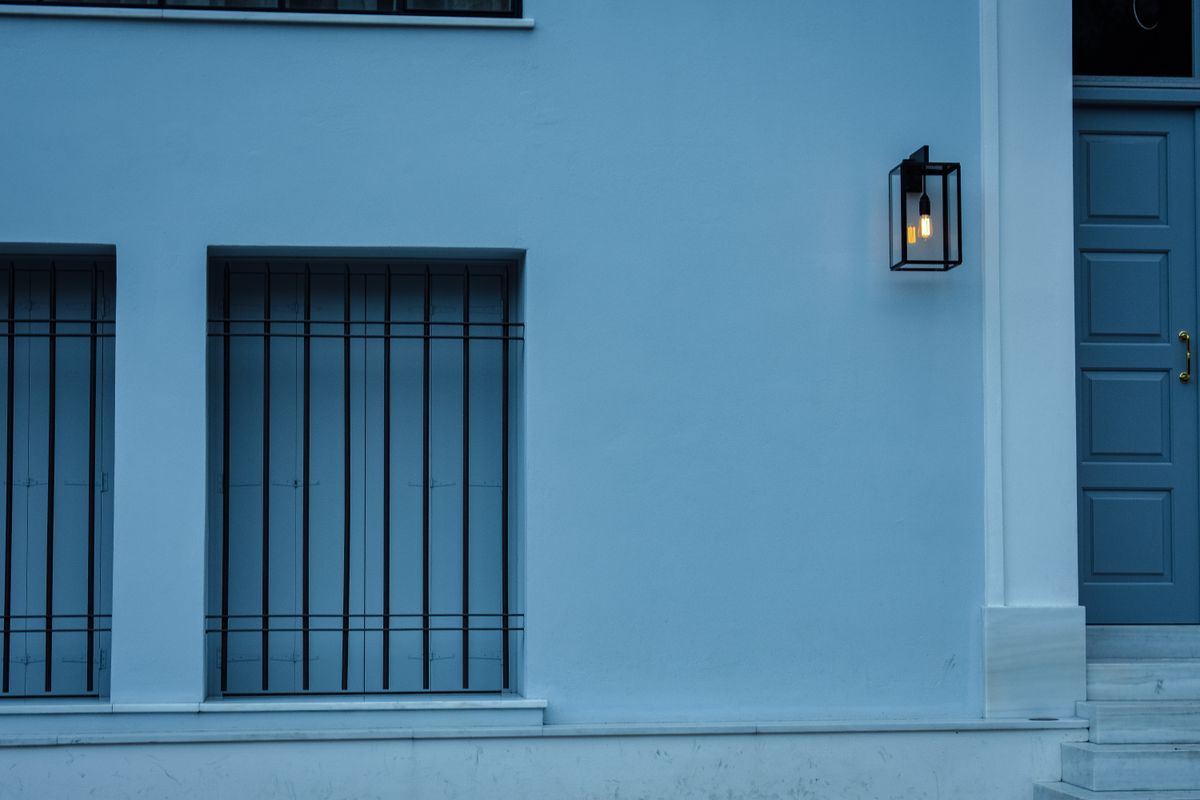
Photo by mzk photography on Pexels
Emergency response personnel drive cabs elevated 6 to 8 feet off the ground, looking through large windshields while navigating at night.
To ensure your house numbers are recognized instantly: mount signs 48 to 60 inches from the ground and select warm white LED illumination (~3000K) over cool white or blue light. Warm white light penetrates atmospheric humidity, fog, and light rain far more effectively due to reduced Rayleigh scattering, preventing harsh headlight flare and preserving number legibility from over 75 feet away.
Nighttime Address Visibility & Distance Calculator
Use this interactive calculator model to estimate the minimum digit height and illumination type needed based on your property's street setback distance and neighborhood speed limit.
First Responder Sightline & Mounting Height Diagram
This visual schematic demonstrates the optimal vertical cone of visibility for approaching emergency vehicles and how active solar LED illumination eliminates unlit porch shadows.
Visibility Method Comparison: Unlit vs. Reflectorized vs. Solar LED
| Feature / Metric | Standard Unlit Brass/Wood | Reflective Vinyl Sign | Solar Warm LED Address Plaque |
| --- | --- | --- | --- |
| Nighttime Legibility Distance | < 20 feet | 25–35 feet (headlight dependent) | 75–100+ feet (self-illuminated) |
| Visibility Angle | Requires ambient porch light | Narrow specular reflection angle | 150° wide ambient warm glare-free emission |
| Rain & Fog Performance | Poor (blends into shadow) | Moderate glare scattering | High (3000K warm LED reduces Rayleigh scattering) |
| Power & Wiring Needs | None | None | Zero wiring (600mAh Solar Ni-MH charged in 6–8 hrs) |
| Dusk-to-Dawn Automation | Manual switch required | Passive reflection only | Automatic optical sensor (12 hours runtime) |
| Weather Rating & Material | Varies (tarnishes/rotts) | Peels under UV rays | IP44 Waterproof ABS & PC heavy-duty frame |
Compare performance metrics across standard unlit address plaques, passive reflective vinyl numbers, and self-illuminated solar LED address signs.
Actionable Next Steps for Emergency Readiness
Your decision: Determine if your existing address plaque meets the 4-inch minimum height and self-illumination standards required for fast nighttime identification.
Do this next: Perform a nighttime vehicle audit at 50 feet. If numbers are unlit or hard to read, upgrade to an IP44 weatherproof solar lighted address sign.
- Read next: Where to Install Solar House Numbers for Maximum First-Responder Visibility
- Read next: Solar vs. Traditional Address Signs for Emergency Visibility
Solar Lighted House Numbers (Colour Name) - High-contrast black/white IP44 plaque with warm LED illumination and automatic dusk-to-dawn sensor.
Take these concrete steps to ensure your property is instantly recognizable to paramedics, police, fire crews, and delivery drivers.
Featured Solution: Solar Lighted House Numbers
Upgrade your home's exterior with a high-visibility, code-compliant address display designed specifically for all-weather outdoor performance.
Key Takeaways: Address Visibility Rules at a Glance
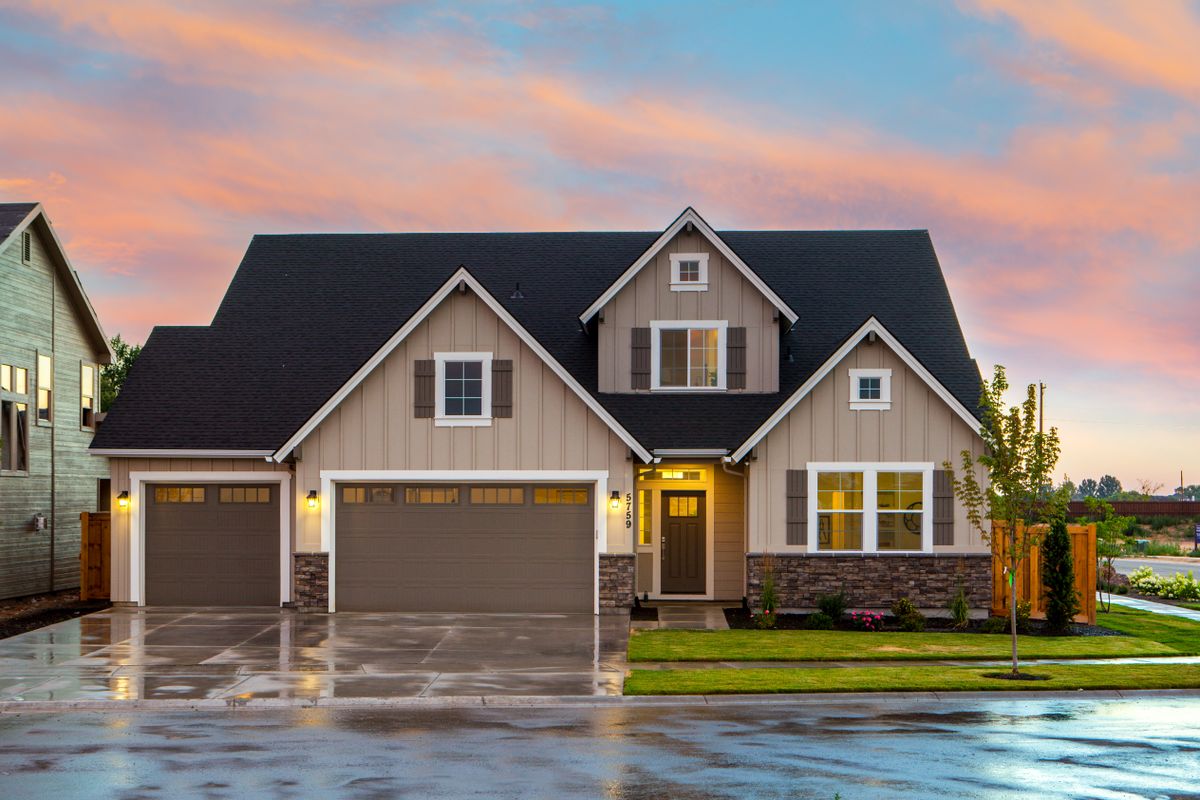
Photo by Binyamin Mellish on Pexels
Review the essential code mandates and functional benefits of upgrading to solar-powered illuminated house numbers.
Emergency Nighttime Address Visibility Audit Checklist
- Step back 50 feet (or to the street curb) at pitch-black darkness.
- Verify digits are at least 4 inches tall and plainly legible.
- Check that background contrast is high (e.g., white numbers on black frame).
- Ensure no tree branches, porch pillars, or seasonal decor block sightlines from 45-degree angles.
- Confirm the numbers remain readable without using high-beam headlights.
- Ensure sign features dusk-to-dawn automatic illumination lasting at least 10-12 hours overnight.
Top 5 Address Sign Mistakes That Delay Emergency Responders
Avoid these common mistakes that reduce nighttime legibility and confuse emergency response personnel:
Frequently Asked Questions: Emergency Address Visibility Standards
Deep-dive answers to common questions regarding fire codes, optical performance, battery charging, and mounting strategies.