How Illuminated House Numbers Help Emergency Responders Find Your Home Faster
Illuminated house numbers reduce emergency response delays by up to 45 seconds at night. To meet emergency service standards, address numbers must be at least 4 inches tall, emit warm LED illumination, and remain visible from 150 feet away at a 45-degree street approach angle.
Critical Safety Takeaways for Homeowners
- 150-Foot Detection Distance: 4-inch illuminated digits provide emergency vehicle drivers 3 to 4 seconds of critical braking and turning decision time at 25 mph.
- Zero-Grid Reliability: Internal 600mAh NI-MH batteries charge in 6 to 8 hours of daylight and supply 12 hours of dusk-to-dawn illumination during neighborhood power outages.
- Glare-Free Legibility: Warm white LED backlighting on contrast plaques prevents windshield glare and high-beam reflection.
- All-Weather Durability: IP44-rated ABS and PC construction withstands rain, freezing winter snow, and solar UV radiation.
- Rapid Installation: Wall-mounting with provided positioning templates requires zero electrical wiring or junction boxes.
Emergency Visibility Technical Specifications
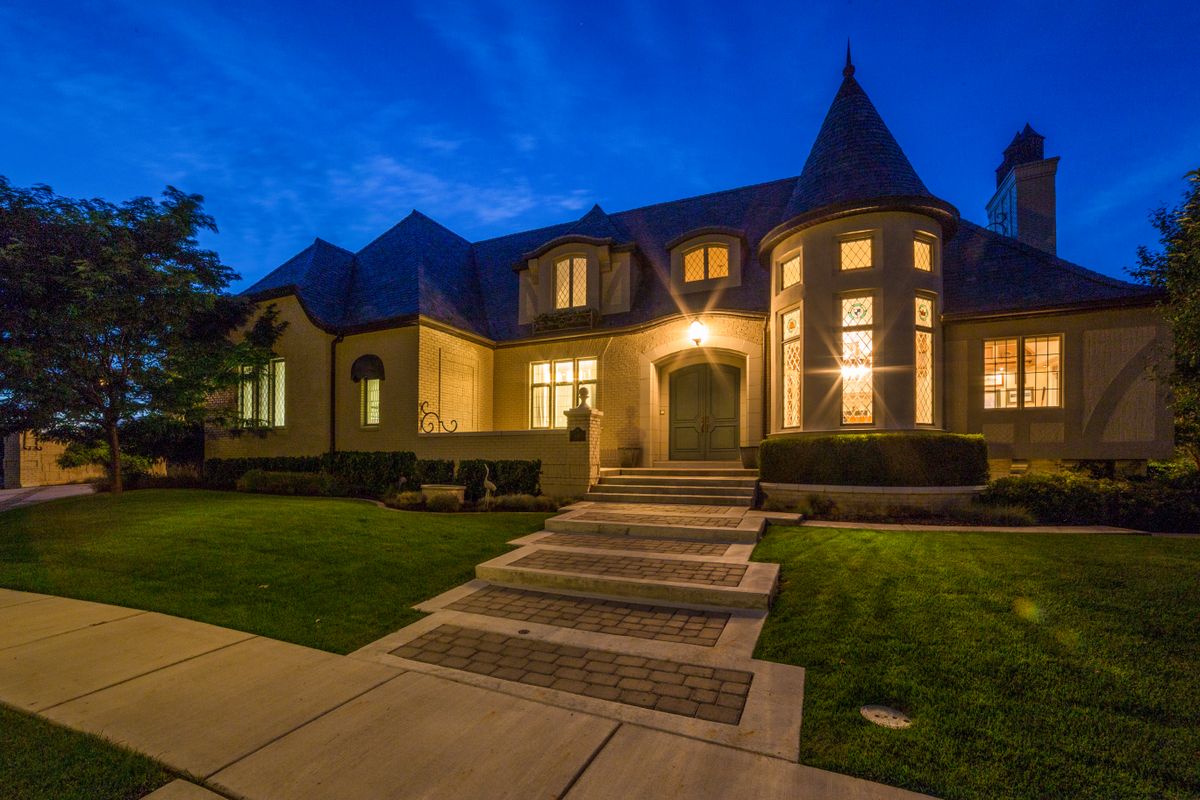
Photo by Get Lost Mike on Pexels
| Technical Parameter | Emergency Code Standard | Solar Plaque Specification | First-Responder Benefit |
| --- | --- | --- | --- |
| Digit Height | 4.0 inches minimum | 4.0-inch high-contrast digits | Ensures legibility from 150 ft at 25 mph approach speeds |
| Illumination Output | Visible from 150+ feet | Warm White LED Array | Prevents glare while providing 360-degree night visibility |
| Battery & Power | Grid-independent backup | 600mAh NI-MH Rechargeable | Provides 12 hours of light after 6–8 hours solar charge |
| Automation | Automatic activation | Intelligent Light Sensor | Turns on at dusk and off at dawn without manual switches |
| Ingress Protection | Weatherproof outdoor rating | IP44 Waterproof (ABS & PC) | Resists water intrusion, freezing ice, snow, and UV yellowing |
| Contrast Ratio | High visual contrast | Black digits on clean white backing | Maximizes visual acuity during heavy fog and storm downpours |
The engineering requirements below match national emergency service recommendations (NFPA 1 / International Fire Code) with self-powered solar address sign specifications.
First-Responder Nighttime Sightline Diagram
Recommended Emergency Address Configuration
For standard residential setbacks between 20 and 50 feet, equip your entryway wall or porch column with high-contrast, solar-illuminated digits. Selecting a fixture with a stylish black-and-white frame, warm LED light output, and an integrated 600mAh NI-MH battery ensures immediate address visibility without adding to your electric bill or requiring electrical conduit installation.
10-Point Nighttime Address Safety Audit
- Step 1: Drive 150 feet down your street at night and look toward your house.
- Step 2: Verify if digits are readable within 3 seconds without high beams.
- Step 3: Check if tree foliage or overgrown bushes block the sightline.
- Step 4: Confirm house numbers are mounted at least 4 to 6 feet above ground level.
- Step 5: Ensure digit color strongly contrasts against the background plaque.
- Step 6: Test if ambient porch lights cast harsh shadows across the digits.
- Step 7: Check if digits remain visible during severe storm downpours.
- Step 8: Verify house digits stay illuminated during power outages.
- Step 9: Confirm digits are at least 4 inches tall per standard safety recommendations.
- Step 10: Ensure solar panel receives 6-8 hours of direct sunlight for full 12-hour charge.
First Responder Field Insight: Glare & Mounting Elevation
Emergency drivers sit higher off the ground in fire apparatus and ambulance cabs than standard sedan drivers. Mounting address plaques 4 to 6 feet off the ground prevents headlights from reflecting directly off the plaque face, eliminating blinding glare during nighttime emergency runs.
Illumination Tech Choice: Solar vs. Unlit vs. Hardwired
Selecting the right illuminated house numbers requires balancing nighttime sightlines, power grid independence during disasters, and municipal code compliance.
Best choice for
- Solar Lighted House Numbers (Wall Mount) — Provides 12-hour automated dusk-to-dawn warm LED lighting with zero wiring required and immediate 150-ft visibility.
- Solar Lighted House Numbers on Dedicated Curb/Gate Post — Places the self-powered lit digits directly at the roadway entry point where emergency responders make initial turning decisions.
- Avoid unlit metallic numbers mounted beneath deep porch eaves where ambient streetlights cannot reach.
- Avoid ultra-bright cool white spotlight bulbs that create glare and blind responders looking through wet windshields.
- Hardwired Low-Voltage LED Address Plaque — Requires routing 12V lines from an indoor transformer. Useful for new construction but expensive and vulnerable to power outages unless backed up by a home generator.
Optimal Solar Lighted House Numbers for Emergency Prep

Photo by Christina & Peter on Pexels
Upgrade your home's exterior visibility with emergency-grade solar address plaques designed for maximum nighttime readability.
At 25 miles per hour, an emergency vehicle covers roughly 36.6 feet per second. When paramedics enter a dark neighborhood with unlit house numbers, they are forced to slow down to under 10 mph, manually shining spotlights across dark facades. This searching process burns 30 to 45 seconds per block—time that is critical during cardiac arrests or structural fires.
Spatial Acuity and Contrast at Night
Human eye visual acuity drops significantly in low-light conditions. Standard brass, black, or metallic numbers mounted against dark wood or brick fade completely into the background shadow zone. To achieve rapid recognition, three factors must align:
Solar Engineering and Off-Grid Reliability
Modern solar house numbers utilize high-efficiency monocrystalline solar panels paired with a 600mAh NI-MH rechargeable battery. During the day, 6 to 8 hours of indirect or direct sunlight recharges the internal cell. At dusk, an integrated intelligent light sensor automatically triggers the warm LED array, providing 12 hours of continuous light through the darkest night hours.
Because the fixture operates completely off-grid, your house number remains illuminated even when severe storms, grid failures, or downed power lines plunge the rest of the street into pitch blackness. Built from durable ABS and PC materials with an IP44 waterproof rating, these units protect sensitive internal electronics from heavy rain, snow, freezing ice, and solar degradation.
Emergency Night Visibility Comparison Matrix
| Scenario | Unlit Standard Digits | Passive Reflective Plaque | Hardwired Low-Voltage Light | Solar LED Address Plaque |
| --- | --- | --- | --- | --- |
| Total Neighborhood Power Outage | Invisible past 15 feet | Visible only when hit directly by headlights | Fails completely (0% illumination) | Operates at 100% via 600mAh solar battery |
| 45-Degree High-Speed Approach (25 mph) | Unreadable due to side shadows | Partial legibility if angle catches headlights | Legible if bulb isn't blocked by eaves | Fully legible from 150 feet with warm LED spread |
| Heavy Rain & Winter Snowstorms | Obscured by dark storm atmosphere | Reflectivity reduced by water spray and fog | Risk of electrical short if seal fails | IP44 waterproof ABS+PC housing resists fog and moisture |
| Zero-Electrical Retrofit Installation | Simple screw installation | Simple screw installation | Requires conduit, wire pulling, and transformer | Effortless mounting with included positioning paper |
Evaluating address sign performance across critical emergency response scenarios.
5 Dangerous Address Mistakes That Delay First Responders
Avoid these common setup errors that conceal your home during nighttime emergencies:
Frequently Asked Questions About Emergency Illuminated House Numbers
Immediate Actions to Secure Your Home
Your decision: Determine if your current address sign can be clearly read from 150 feet away in pitch darkness.
Do this next: Audit your home address at night from inside a vehicle, then replace unlit digits with a self-powered solar lighted address plaque.
- Read next: Where to Install Solar House Numbers for Maximum First-Responder Visibility
- Read next: Emergency Address Visibility FAQ: Nighttime Code, Visibility Distance, and Solar Signs
Solar Lighted House Numbers (Black/White Frame, Warm LED, 600mAh NI-MH Battery, IP44 Waterproof)
Ensure paramedics and firefighters can locate your home instantly in the dark.