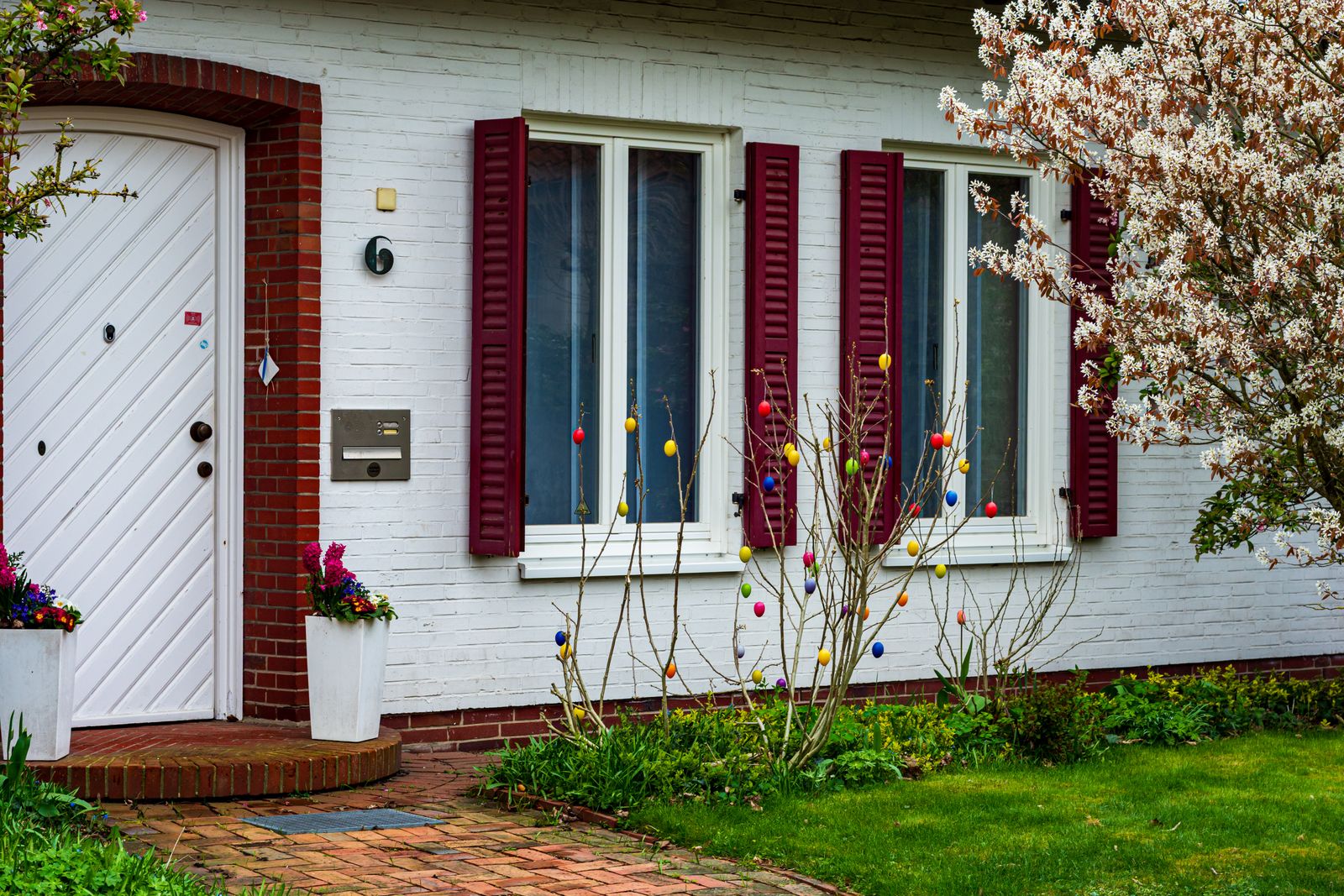
Why Is My Solar House Number Dim? Troubleshooting & Battery Care Tips
A solar house number is dim when the 600mAh NI-MH battery is undercharged, the panel is dirty or shaded, or a porch lamp is tricking the sensor into running at the wrong time. Troubleshooting starts with battery care tips — clean glass, real sun, honest dusk — not with a new LED. Most dim plaques recover after a full charge cycle in open sky.
Dim is usually charge, not a worn diode
Warm LED illumination looks faint on a phone camera and still reads from the street when the cell is full. If the address is truly dim at dusk after a sunny day, look at the lens (haze, moisture) and the panel (pollen, leaves). Battery care is seasonal: wipe the face, keep the unit out of a heat-soaked dead state, and do not store it empty in a garage.
A shipping tab that was never removed will keep the house number dark, which people describe as dim. Remove it. Confirm the switch is on. Give the 600mAh NI-MH battery a full day of sky before the next night test.
Intelligent light sensors that see a lantern may run the LED in late afternoon gloom and then have nothing left after true dark. That is a placement problem dressed up as a battery problem. Cover the sensor after dark; if the unit brightens, re-aim it.
Battery care tips that actually help
Photo by Courtney Sargent on Pexels
Park a chronically dim sign in a proven sunny spot for two days. Clean with a damp cloth, not a pressure washer that drives water past IP44 gaskets. After storms, check condensation. If a known-good position still yields a dim house number, then consider a same-chemistry cell replacement — not a random alkaline stuffed in the tray.
Glow stickers looking "fine" prove nothing. Hardwired lights remaining bright only prove the house has power. Troubleshooting the solar path is local.
Dim symptom vs care tip
| What you see | Likely cause | Battery care tip | | --- | --- | --- | | Whole sign dim after clouds | Short charge | Wait for real sun; clean panel | | Dim since trees leafed out | Shade | Move to wall, mailbox, or yard sky | | Bright at dusk, gone later | Empty cell or early on | Sensor aim plus full charge | | Milky even at dusk | Haze or moisture | Clean or dry the lens | | Never bright, tab still in | Isolated battery | Remove insulator | | Dim only under a porch lamp | Sensor fight | Point photocell at true night |
Why is my solar house number dim? Because the night budget was never filled or was spent too early. Care tips beat a replacement shopping trip.
Placement, visibility, and install checklist
- [ ] Remove any battery tab; switch on.
- [ ] Wash panel and sensor; skip abrasives.
- [ ] Provide a full sunny day of charge.
- [ ] Cover-test the sensor after dark.
- [ ] Relocate from shade to a street-facing wall, mailbox, or yard.
- [ ] Dry condensation; reseat gaskets.
- [ ] Recheck readability from about 50 feet.
- [ ] Rest a heat-stressed cell through a few full cycles before binning it.
- [ ] Only then swap a 600mAh NI-MH cell of the same type.
Frequently asked questions
Photo by Erik Mclean on Pexels
Why is my solar house number dim after one year?
Dirt, more shade, a tired battery, or a yellowing lens. Troubleshooting and battery care tips fix most of those without a new plaque.
Can I leave it on all day to "test"?
Forcing the LED on while the panel should be charging empties the cell. Let dusk-to-dawn work.
Do battery care tips include the freezer?
No. Extreme cold or heat storage is the opposite of care for NI-MH cells.
Is dim normal in winter?
Shorter days reduce charge. Clean snow off the panel and accept a smaller night budget rather than declaring the unit dead on the first gray week.
Should I switch to hardwired if it stays dim?
Only after a proven sunny mount still fails. Dim is usually placement or care.
Related reading
- troubleshooting solar address sign battery runtime
- solar panel and battery storage guide
- how solar address signs charge in cloudy weather
- moisture protection troubleshooting
What to do next
Clean the panel, give the 600mAh NI-MH battery a full sunny day, and cover-test the sensor tonight. Those troubleshooting and battery care tips explain why a solar house number is dim more often than a failed LED does.