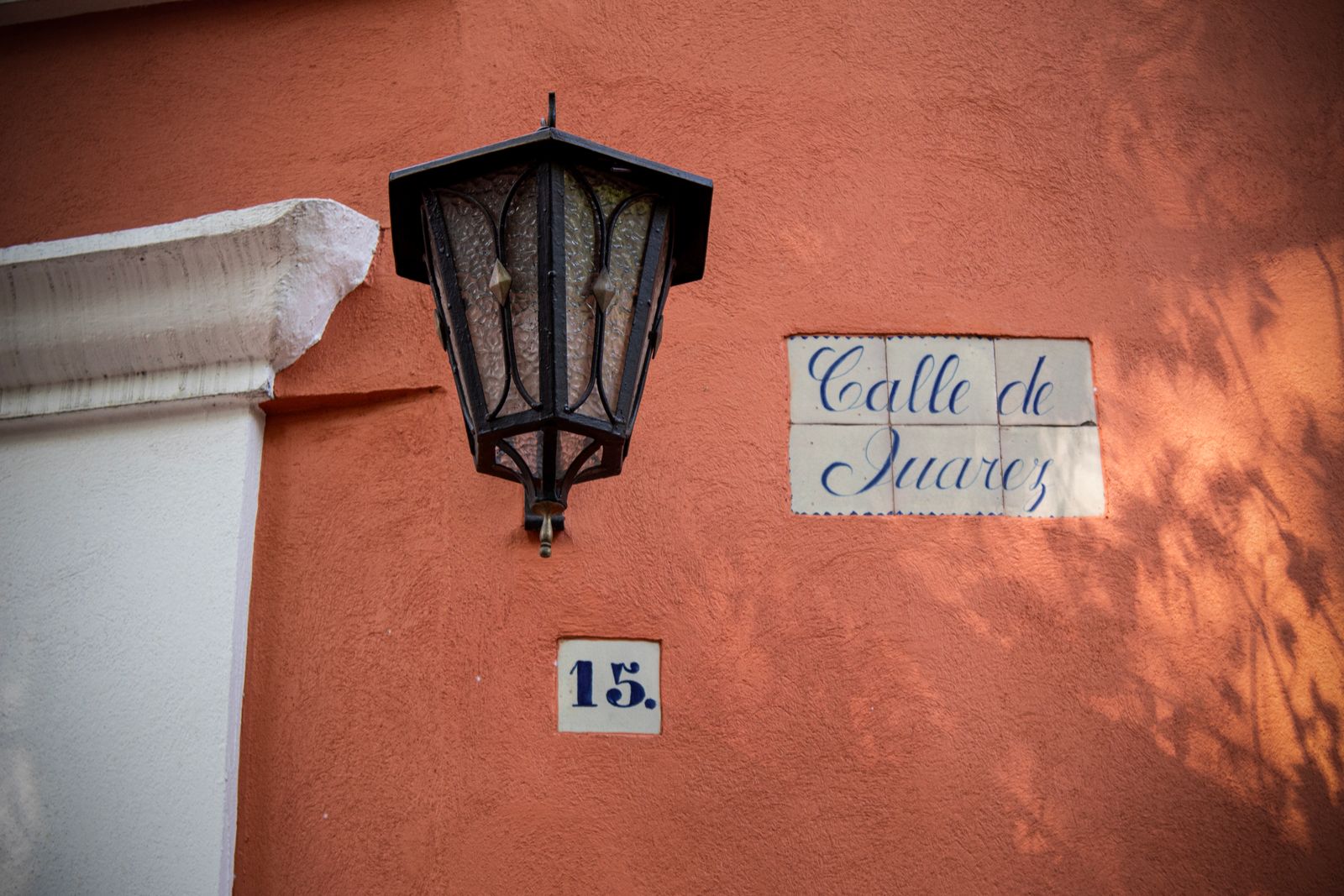
Why Won't My Dusk-to-Dawn Solar Address Sign Turn On? (Light Sensor Troubleshooting Guide)
A dusk-to-dawn solar address sign usually won't turn on because the light sensor still sees porch light, the 600mAh NI-MH battery never finished a full charge, the panel is shaded, or a shipping insulator is still in the battery tray. This troubleshooting guide walks through sensor, sunlight, and mount checks so you can restore automatic night lighting without guessing.
Start with the sensor, not the LED
Dusk-to-dawn operation is a photocell decision, not a timer. If the sensor sees enough ambient light from a porch lantern, landscape flood, or neighbor flood, the address sign stays off even after sunset. Cover the sensor with a dark cloth for one minute after dark. If the warm LED illumination appears, the unit works — the sensor is simply not in true darkness.
A solar address sign that never turns on in a bright entry is a placement problem. Aim the photocell toward the street or sky, not toward the lamp over the door. IP44 housings keep rain out, but they do not hide the sensor from stray light.
If covering the sensor does nothing, move to charge and battery steps. Do not replace the fixture until those checks fail.
Charge, battery, and first-night mistakes
Photo by Regina Tommasi on Pexels
Many units ship with a plastic tab that isolates the 600mAh NI-MH battery. If that tab is still in the tray, the dusk-to-dawn circuit will not run. Remove it, confirm the switch is on, and give the panel a full day of direct sky before judging night performance.
A shaded eave, a north wall in winter, or a dirty panel can leave the cell too empty to light the numerals. Wipe pollen and dust with a damp cloth. Relocate the sign so the panel sees unobstructed sun for most of the day. After a sunny charge, wait for real dusk — not late afternoon under a storm cloud, when the sensor may still read as daytime.
Moisture inside the lens can also look like a dead light. If condensation is heavy, dry the housing and reseat gaskets before assuming the sensor failed.
Solar vs hardwired vs glow stickers when the light stays off
| Option | Night behavior | What fails first | DIY path | | --- | --- | --- | --- | | Solar dusk-to-dawn address sign | Automatic on at true dusk | Sensor glare, shade, empty 600mAh cell | Screws and positioning paper, $0 install | | Hardwired house number light | On with a switch or photocell on house power | Breaker, fixture, or wiring | Electrician; not a $0 DIY | | Glow stickers | Dim afterglow, no LED | Charge from streetlight only; fade | Peel-and-stick; no dusk-to-dawn control | | Mailbox-only numerals | Visible if the box sits at the curb | Hidden from the street angle | Fast, but misses wall sightlines | | Yard post or wall plaque | Readable toward the approach | Trees, vehicles, and porch lamps | Choose the face drivers actually see |
A solar lighted house number that won't turn on is still the right product class for most homes. Hardwired lights solve shade, not sensor glare. Glow stickers never create independent night lighting. Match the mount to the view: mailbox, yard post, or wall.
Placement, visibility, and install checklist
- [ ] Remove any battery insulator and set the switch to on.
- [ ] Confirm the panel can see open sky, not a deep soffit.
- [ ] Wipe the solar face and the light sensor window.
- [ ] Point the sensor away from porch, garage, and landscape lamps.
- [ ] Give the 600mAh NI-MH battery a full sunny day before the first night test.
- [ ] After dark, cover the sensor for 60 seconds; note whether the LED wakes.
- [ ] Mount at a height and angle readable from the street, about 50 feet of approach if the site allows.
- [ ] Use the included screws and positioning paper so the plaque sits square on the wall, mailbox, or post.
- [ ] Recheck after rain: IP44 resists splashes, but standing water on the panel cuts charge.
Frequently asked questions
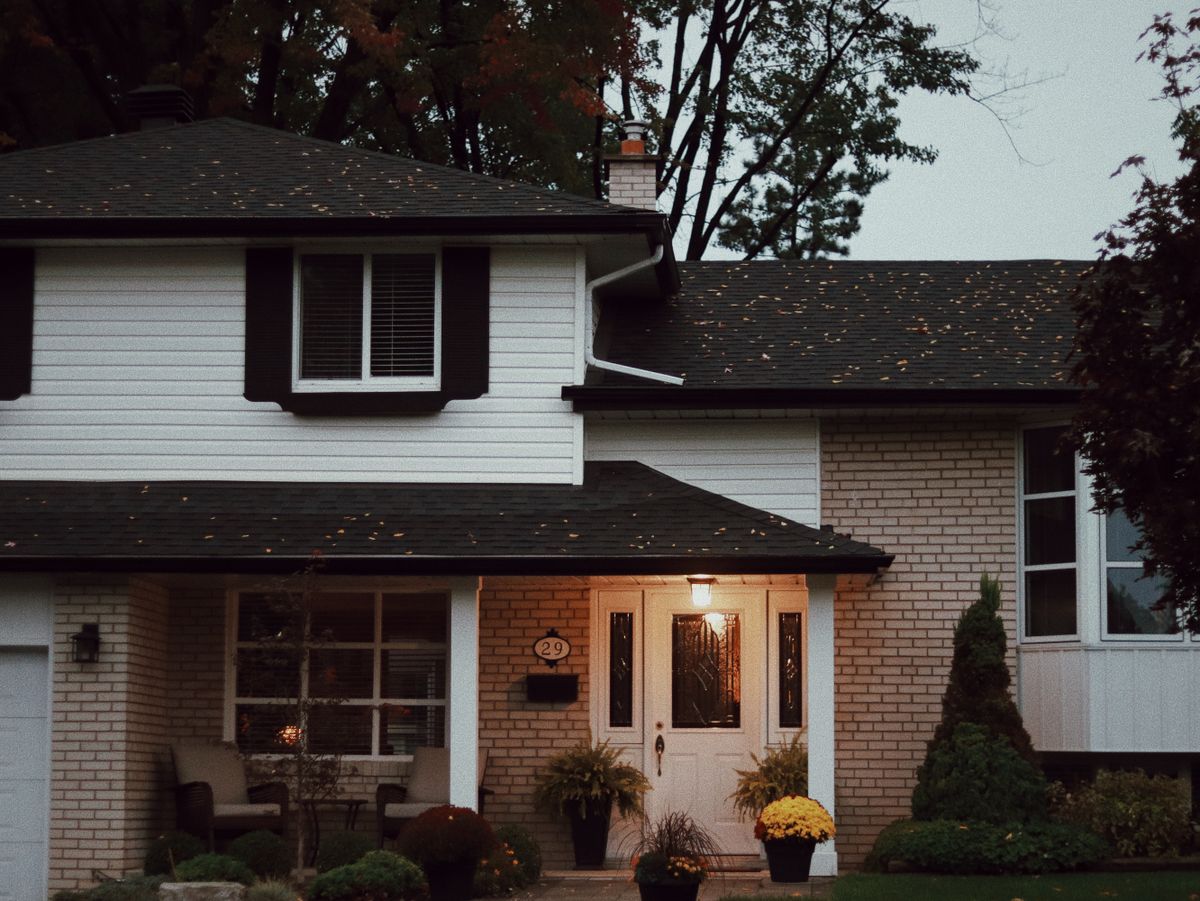
Photo by Dalia Al-Refai on Pexels
Why won't the dusk-to-dawn sign turn on until midnight?
The light sensor still sees enough glow. Porch LEDs and neighboring floods can delay true-dusk detection. Relocate the photocell view or dim nearby lamps.
Can a working solar address sign stay dark after a cloudy week?
Yes. The 600mAh NI-MH battery may not hold a useful night charge. After clearer weather and a clean panel, dusk-to-dawn operation usually returns.
Does covering the sensor damage the unit?
A brief cloth test is a standard troubleshooting step. Do not tape the sensor permanently; the dusk-to-dawn logic needs a real day/night cycle to recharge and rest.
Should I replace the battery first?
Only after insulator, switch, sun, and sensor-glare checks. A new cell will not fix a photocell that thinks it is still daytime.
Is a wall mount better than a mailbox if the sign won't wake?
Choose the location with both street visibility and panel sun. A mailbox in shade will not charge. A wall under a bright lantern will not satisfy the sensor.
Related reading
- how dusk-to-dawn solar house numbers operate
- battery runtime troubleshooting guide
- FAQ on solar lighted house numbers
- how to install solar lighted house numbers
What to do next
Tonight, cover the light sensor for one minute. If the warm LED appears, move the dusk-to-dawn solar address sign away from competing lamps and give the panel a full sunny day. If it still won't turn on, repeat the battery-tab, switch, and shade checks in this troubleshooting guide before replacing the unit.
Cover photo by Regina Tommasi on Pexels.