Buying Guide: Choosing the Best Illuminated Address Signs for Nighttime Emergencies
The best illuminated address sign for nighttime emergencies is a solar plaque whose numerals stay readable at about 50 feet, with warm LED contrast on a black-and-white face and an intelligent light sensor that is already on when a responder turns the corner. A 600mAh Ni-MH pack charged 6-8 hours supports about 12 hours of illumination without house current. Skip glow stickers, unlit metal, and any lamp that needs a wall switch. Buy the sign that is lit, high-contrast, and independent of the grid.
Emergency visibility is a 50-foot curb test, not a porch close-up
Responders read from a moving vehicle. A numeral that looks crisp in a product photo at two feet can vanish at the listed 50-foot distance if contrast is poor or the plaque sits behind a column. Buy for the curb, then confirm the wall can actually show that view. Shrubs, parked cars, and deep porches are buying constraints, not landscaping notes to handle later.
Warm LED illumination is easier to read in wet night air than a harsh point source that blooms on rain. The black-and-white face is the contrast engine. A decorative script font that wins a catalog shot often loses the emergency test. Choose numerals that a stranger can parse at speed.
The emergency responder house-sign solar guide covers why solar is the safety default. This page is the checkout filter: distance, contrast, sensor, and independence from house power.
The sensor has to be on before anyone knocks
Photo by Max Vakhtbovych on Pexels
An intelligent light sensor that turns the plaque on at night and off by day is the emergency switch. A manual button is a missed minute if the household is asleep, away, or already on the phone with dispatch. Dusk-to-dawn behavior is not a convenience feature here; it is the difference between a lit address and a dark box.
Porch floods can fool that sensor. If the listing cannot show where the sensor sits, assume glare is a siting job after purchase. Keep decorative lighting off the face. The plaque should see sky by day and true dusk by night.
Grid-tied address lamps go dark in the same outage that may have caused the call. Solar panels on the surface, with no extra wires, keep the 600mAh pack on its own. That is the blackout case for illuminated numbers, not a lifestyle extra.
What to skip even when the listing says emergency-ready
Skip reflective-only stickers as the primary night plan. They need headlights at the right angle. Skip hardwired numerals that die with the breaker. Skip tiny digits that cannot hold a 50-foot read. Skip housings with no IP rating if the wall sees rain.
IP44 ABS and PC is the weather class for a wall plaque that must still be there in a storm. DIY screws and positioning paper mean the sign can go up without waiting for an electrician. A second plaque on a mailbox helps a long driveway, but the house wall still needs its own lit numerals. See how illuminated address numbers help emergency responders for the sightline story this buy has to serve.
Nighttime emergency sign types at checkout
| Type | Lit without house power | Emergency fit | | --- | --- | --- | | Solar warm LED plaque | Yes, after a 6-8 hour charge | Default buy for a sunlit wall | | Hardwired address lamp | No, dies with the circuit | Only as a second, grid-up light | | Reflective sticker | No, needs headlights | Not a standalone night plan | | Glow sticker | Weak residual glow | Not a 50-foot read | | Unlit metal numerals | No | Daytime only |
Placement is part of the purchase, not a later errand
A perfect plaque on a shaded side wall fails twice: no charge, no street view. Buy knowing which elevation faces the approach and still sees sky. Use positioning paper so height is decided from the curb. If the only sunny wall is the wrong street, add a mailbox location to the cart plan. Emergency buying is light, contrast, and line of sight together.
Emergency illuminated address sign buying checklist
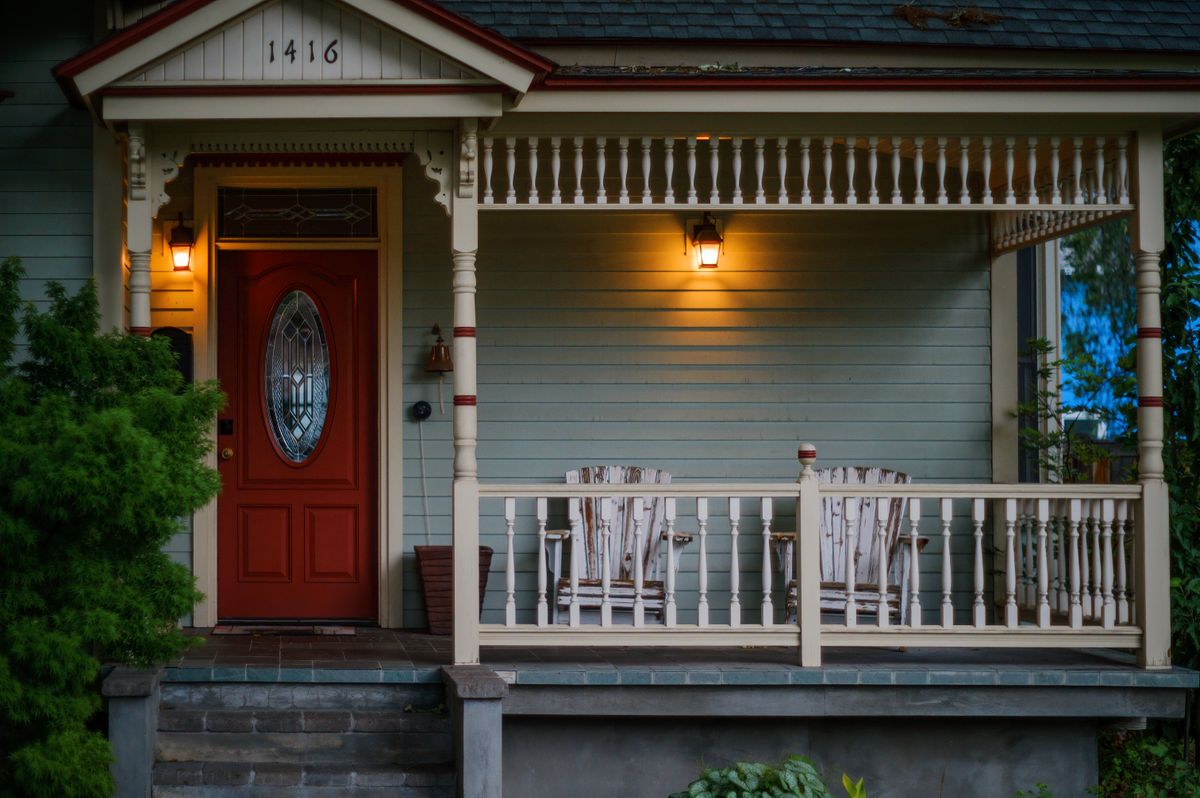
Photo by Brett Sayles on Pexels
- [ ] Confirm numerals can be read at about 50 feet from the approach.
- [ ] Confirm warm LED on a high-contrast black-and-white face.
- [ ] Confirm an intelligent dusk-to-dawn sensor, not a manual switch.
- [ ] Confirm solar on the surface and a 600mAh Ni-MH pack.
- [ ] Confirm IP44 ABS and PC if the wall sees weather.
- [ ] Confirm the chosen wall has sun by day and a clear curb view at night.
Frequently asked questions
Do emergency responders need a special address sign standard?
Local rules vary. The practical buy is high-contrast, independently lit numerals that remain readable at about 50 feet from the street.
Is a brighter cold-white LED better for emergencies?
Not if it blooms in rain or washes out contrast. Warm LED on a black-and-white face is the readable overnight case.
Should the sign stay on during a power outage?
Yes. That is why solar on the surface and a charged 600mAh pack beat a hardwired lamp on the same circuit that failed.
Is one sign enough on a long driveway?
The street-facing numeral is the first need. A second solar plaque at the house wall helps when crews leave the road.
Can a decorative script font pass the emergency test?
Usually not at speed. Buy numerals a stranger can parse at 50 feet, then decorate somewhere else.
Related reading
Responder sightlines, mixed reflective-and-solar buying, and house-number rules sit next to this emergency checkout filter.
- how illuminated address numbers help emergency responders
- best reflective and solar address signs for emergency visibility
- emergency house number requirements FAQ
What to do next
Stand at the curb after dark and read the current numerals at about 50 feet. If they fail, filter new signs by warm LED contrast, a dusk-to-dawn sensor, and solar that does not need house power. Then pick the wall that has both sky and the approach line before the screws come out of the bag.
Cover photo by JINU JOSEPH on Pexels.