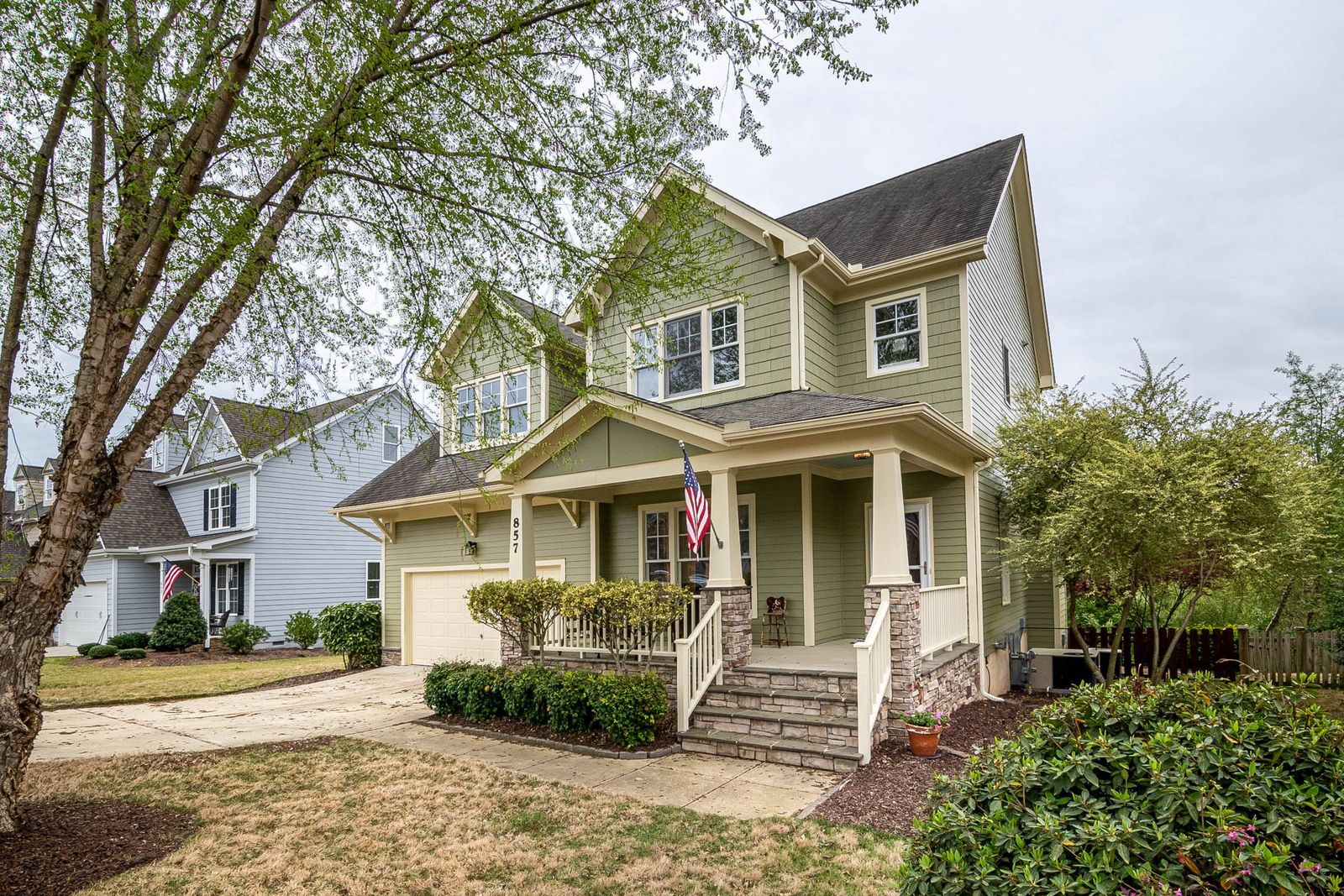
Emergency Address Number FAQ: First Responder Guidelines for House Visibility
This emergency address number FAQ translates first responder guidelines for house visibility into practical posting steps. Requirements usually mean numerals that are large, contrasting, unobstructed, and readable from the street — including at night. Solar lighted house numbers meet the night half of those emergency house number requirements when you still follow local size and placement rules on a wall, mailbox, or yard post.
What first responder guidelines usually say
There is no single national plaque law. Cities and counties write emergency address number requirements: digit height, contrast against the background, a location visible from the public way, and sometimes a mailbox posting in rural districts. First responder guidelines for house visibility all share one idea: crews should not hunt.
Night is the gap in many codes that were written around paint. Unlit metal meets daytime requirements and fails after dark. Solar lighted house numbers with warm LED illumination, dusk-to-dawn sensors, and about 50 feet of readability close that gap without wiring.
The NFPA home fire safety pages treat home emergencies as a planning problem. Visible numbers are how first responders finish the last block.
House, mailbox, and lighting in the same FAQ
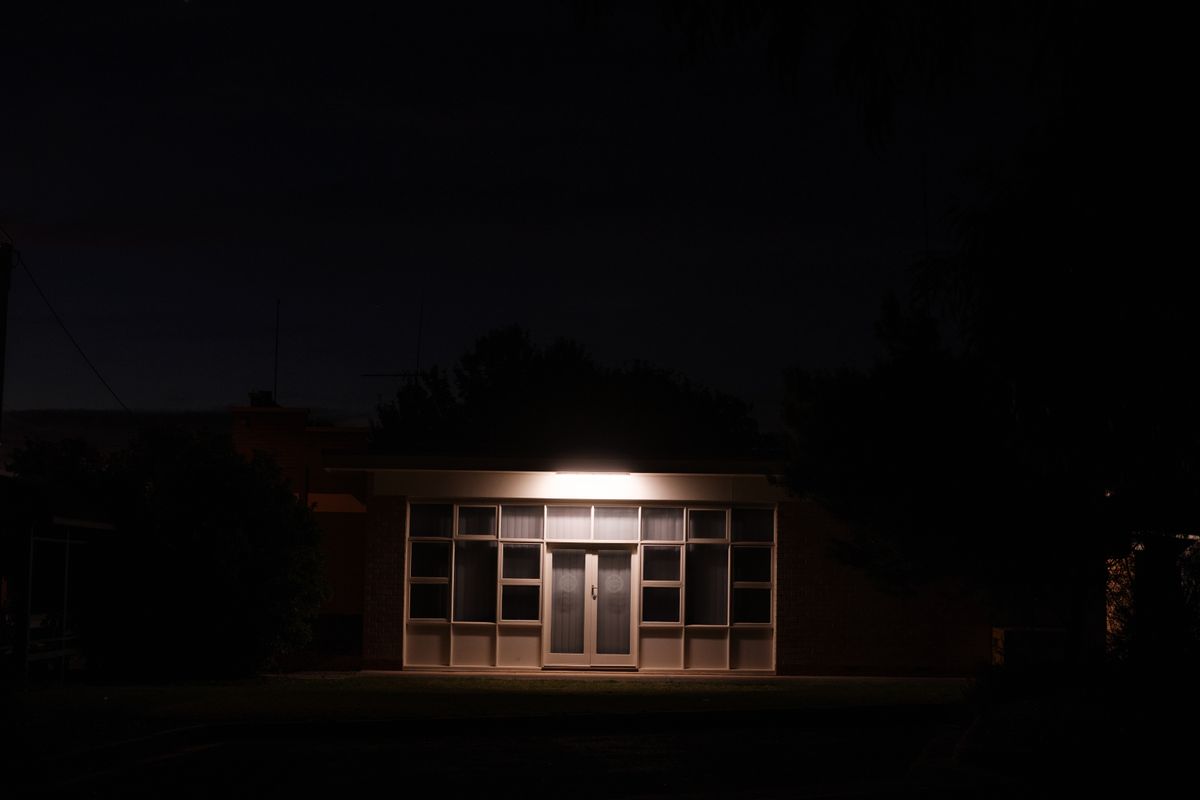
Photo by Matt Webster on Pexels
Guidelines may allow mailbox numbers, house numbers, or both. If the structure is hidden, mailbox-only daytime digits still leave a dark house. Put solar lighting on the first surface a vehicle sees. IP44 construction handles rain. DIY install is $0 with included screws.
Glow stickers do not satisfy the spirit of emergency house number requirements at night. Hardwired lights can, if they stay on. Solar is the typical FAQ answer for homes without an existing circuit on the street face.
Requirements vs lighting types
| Approach | Day requirements | Night house visibility | | --- | --- | --- | | Solar lighted house numbers | If size/contrast/location match code | Independent glow | | Unlit plaque | Often yes by day | Weak | | Reflective only | Maybe | Beam-dependent | | Glow stickers | Rarely as official posting | Poor | | Hardwired number light | If permitted | Strong if powered | | Mailbox + house solar | Strong for two decision points | Strong for first responders |
This emergency address number FAQ treats solar as the night layer on top of local posting rules, not a substitute for digit height.
Placement, visibility, and install checklist
- [ ] Read your city or county posting ordinance.
- [ ] Note required digit size, contrast, and location.
- [ ] Stand where first responders would slow down.
- [ ] Choose wall, mailbox, or yard to match that view.
- [ ] Add solar lighting so night meets the same intent as day.
- [ ] Keep shrubs cut; confirm about 50 feet of view when possible.
- [ ] Aim the light sensor away from porch lamps.
- [ ] Install with positioning paper and included screws.
- [ ] Recheck after dark from the street.
Frequently asked questions
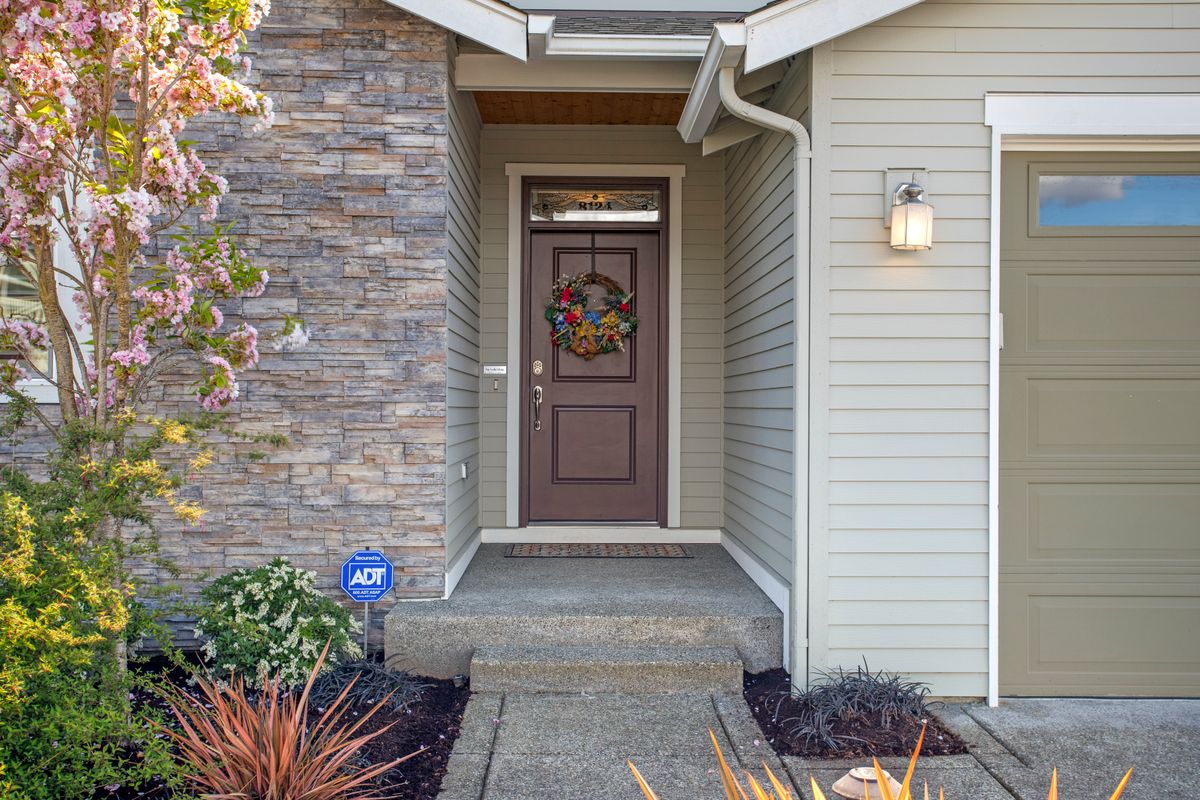
Photo by Spencer Lee Eiseman on Pexels
What are typical emergency house number requirements?
Visible from the street, contrasting, unobstructed, and sized per local code. Night readability is implied whenever first responders work after dark.
Do first responder guidelines require solar?
They require house visibility. Solar lighted house numbers are how many homes meet the night part without an electrician.
Is a mailbox number enough under these guidelines?
Only if local emergency address number requirements say so and crews can see the box. Hidden houses often need both.
Can script fonts meet visibility guidelines?
Usually not in practice. First responders need fast reads, not decorative lettering.
Do glow stickers count?
They are not a reliable night method in this FAQ. Use solar or another independent light.
Related reading
- guide to emergency responder house signs
- why solar lighted house numbers are vital for responders
- why use a solar emergency address sign
- how to make your address visible at night
What to do next
Look up local emergency house number requirements, then walk the street at night as a first responder would. If the address vanishes, add solar lighted house numbers on the sunlit wall, mailbox, or yard that matches those guidelines for house visibility.
Cover photo by Curtis Adams on Pexels.