
Address Sign Visibility Requirements: Height, Distance & Angle Guide
Imagine an emergency vehicle or night delivery van searching for your house on a pitch-black street. Standard address sign visibility requires minimum 4-inch high digits for property setbacks up to 50 feet, and 6-inch or larger digits for setbacks exceeding 50 feet. Placements must sit 4 to 6 feet above grade, mounted perpendicular to oncoming traffic, with high-contrast active nighttime illumination visible from all driver approach angles.
Choosing Address Sign Mounting Height, Angle & Digit Size
Determine sign placement and digit dimensions based on property setback distance, vehicle approach speeds, and nighttime illumination availability.
Best choice for
- 4-inch illuminated solar plaque mounted 4–6 feet above grade near entryway — Complies with International Fire Code (IFC) 505.1 minimums while providing 12-hour warm light visibility for standard residential streets.
- 6-inch to 8-inch active solar illuminated sign mounted at driveway entrance or on primary architectural pillar — Compensates for visual perspective compression over distance, allowing drivers traveling at 35+ mph to read numbers in under two seconds.
- Dual placement: 4-inch solar plaque at house entry combined with post-mounted illuminated sign at curb — Ensures immediate identification from fast-moving traffic before vehicle passes the turn-off trajectory.
- Mounting address signs parallel to the street on side walls where oncoming drivers only see the edge of the plaque.
- Placing dark bronze or brass numbers on dark stained wood or dark brick without active backlight illumination.
- Installing static reflective numbers under deep porch soffits where light source beams cannot hit them at direct angles.
- Hardwired low-voltage LED address signs — Requires professional electrical wiring across exterior walls, whereas self-contained solar address plaques install in under 10 minutes without wires.
Expert Tip: The Nighttime Driver Sightline Audit
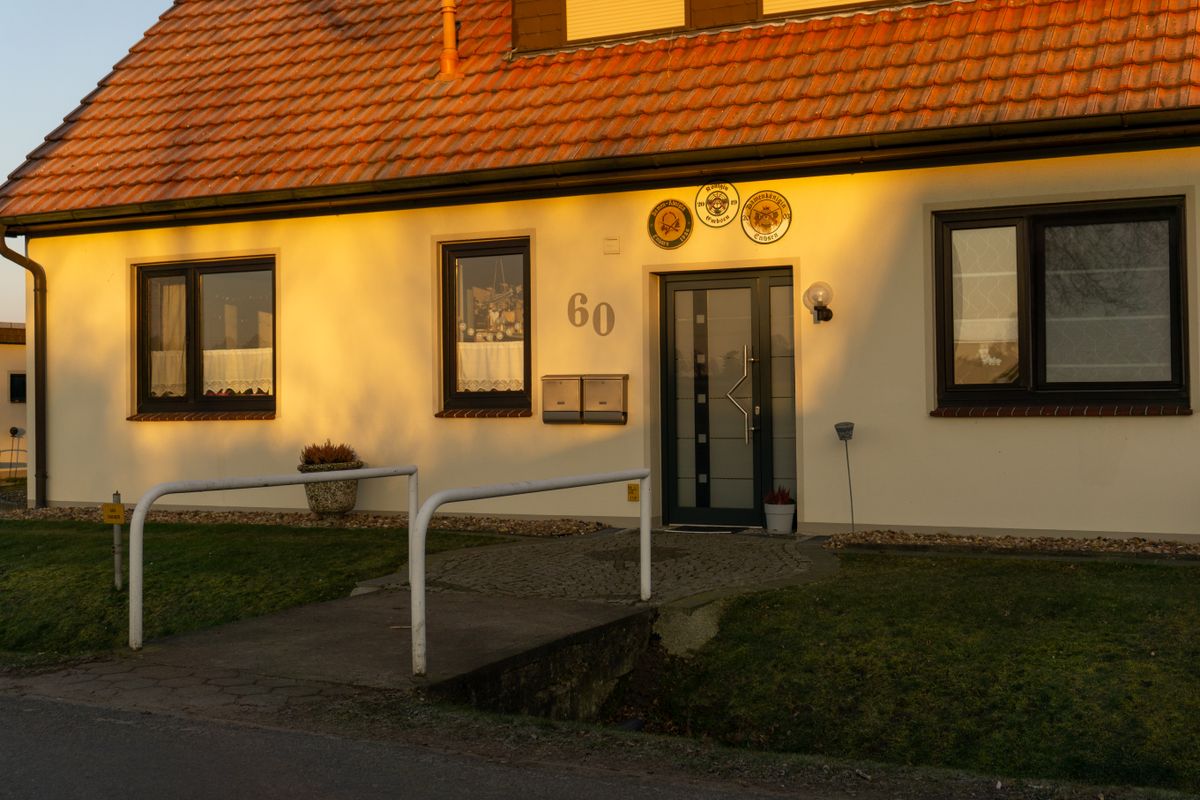
Photo by Muhammed Hanefi on Pexels
Do not audit your address sign while standing on your front porch. To accurately evaluate your home's nighttime visibility, drive down your street after dark at the posted speed limit from both directions.
- Check line-of-sight visual windows: Note when your address plaque first comes into view. You need a clear sightline window of at least 3 seconds (approx. 110 feet at 25 mph).
- Evaluate headlight beam sweep: Traditional reflective numbers only bounce light back when headlights point directly at them. If your driveway curves or sits above street level, reflective signs remain dark until the vehicle is right in front of the entry.
- Verify active solar LED contrast: A solar house number with warm LED illumination (around 2700K–3000K) produces its own light emission. This creates immediate contrast against dark foliage, brick, or siding without relying on passing vehicle headlights.
Key Takeaways: Core Rules for Street-Visible Address Signage
- Minimum Digit Height: International Fire Code (IFC 505.1) mandates a 4-inch minimum digit height for setbacks under 50 feet, expanding to 6+ inches for setbacks beyond 50 feet.
- Optimal Vertical Sweep Zone: Mount address plaques between 4 and 6 feet above the ground plane to stay directly in headlight beam ranges and clear of winter snow drift lines.
- Maximum Visual Contrast: High-contrast designs (such as bold black numbers on a warm white illuminated background) provide highest legibility during dark or foggy conditions.
- Active vs. Passive Illumination: Solar-powered LED address signs emit active illumination for up to 12 hours on a single 6-8 hour daytime charge, outperforming passive reflective signs.
- Perpendicular Alignment: Always surface-mount plaques perpendicular to approaching traffic or angle them slightly toward the driveway entrance.
Printable Summary: Emergency & Delivery Visibility Checklist
- Property Setback Measured: Recorded distance from roadway center to wall mounting location.
- Digit Height Verified: Digits measure at least 4 inches (0-50 ft) or 6 inches (50+ ft).
- Mounting Height Standardized: Plaque sits 48 to 72 inches above finished grade.
- Sightline Clearance: Overhanging tree limbs, shrubs, and porch pillars trimmed within a 45-degree sight cone.
- Contrast Ratio Confirmed: Stark visual difference between digit character and plaque backing plane.
- Illumination Functionality: Solar panel surfaces face unshaded sky to charge the 600mAh internal NI-MH battery for full 12-hour nightly operation.
Distance vs. Digit Height Matrix (Side-by-Side Standards)
| Setback Distance (Curb to Sign) | Road Speed Limit | Min. Digit Height (IFC 505.1) | Recommended Illumination Type | Driver Decision Time Window |
| --- | --- | --- | --- | --- |
| 0 to 30 feet | 15 to 25 mph | 4 inches | Active Solar LED Lighted Sign | 3.5 seconds |
| 30 to 50 feet | 25 to 35 mph | 4 to 5 inches | Active Solar LED Lighted Sign | 2.8 seconds |
| 50 to 100 feet | 35 to 45 mph | 6 to 8 inches | High-Lumen Solar LED Sign | 2.1 seconds |
| 100+ feet | 45+ mph | 8+ inches or Curb/Post Combo | Dual Solar LED Entry & Wall Units | 1.5 seconds |
Review how setback distance directly dictates required digit sizing, speed legibility, and nighttime lighting configurations under municipal guidelines.
Recommended Solution: Solar Lighted House Numbers
Eliminate nighttime address confusion for delivery drivers, guests, and first responders with energy-efficient, wire-free illumination.
Diagram Brief: Sightline Cones and Mounting Angles
This schematic illustrates proper mounting angles, vehicle headlight sweeps, and solar panel collection orientations for residential front entries.
Calculator Brief: Address Distance & Digit Height Calculator
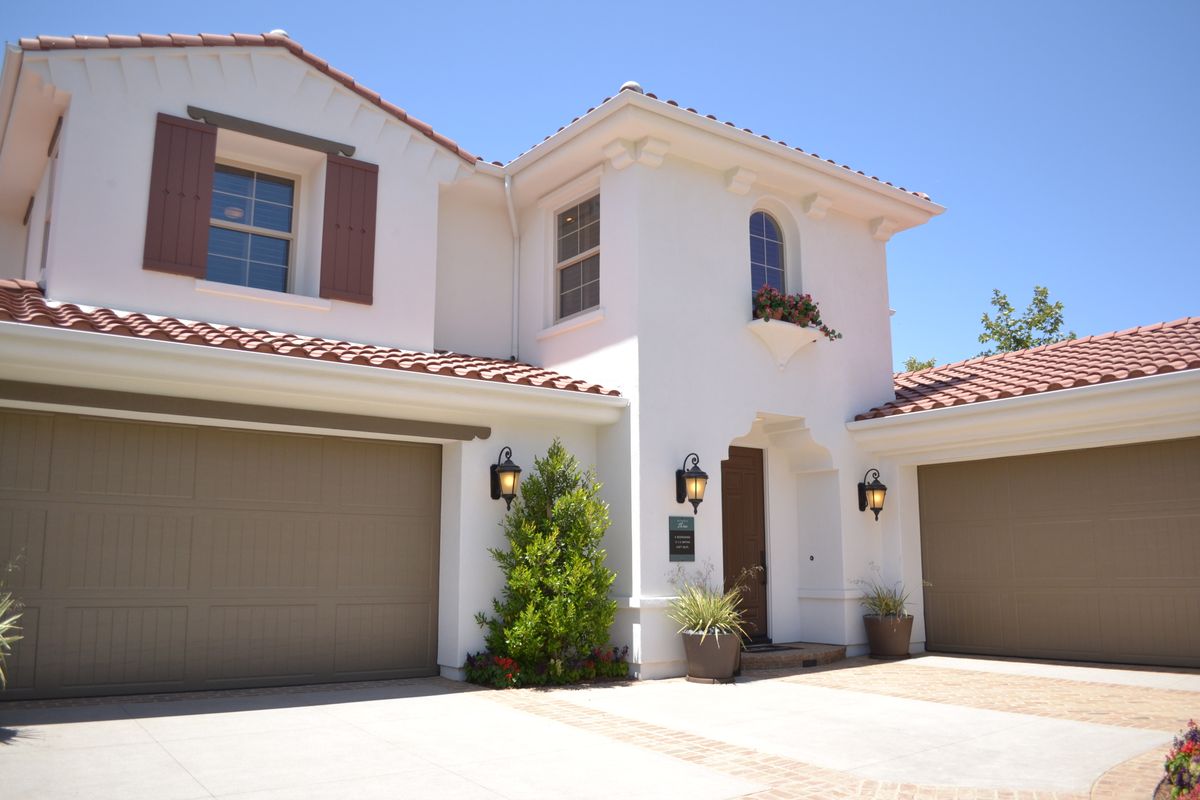
Photo by Luis Yanez on Pexels
Use this interactive planning tool specification to estimate your exact number height requirement based on street distance and travel speed.
Common Address Sign Placement Mistakes (And How to Fix Them)
Avoid these critical installation errors that lead to lost packages and delayed emergency response times.
Frequently Asked Questions: Emergency Code, Lighting & Alignment
Get answers to essential questions regarding residential house number standards, legal compliance, and technical operation.
Immediate Action Plan: Elevate Your Home's Address Visibility
Your decision: Determine your property's setback distance and street speed limit, then choose an illuminated address plaque with at least 4-inch digits (or larger for 50ft+ setbacks).
Do this next: Audit your current sign at night from 50 feet away in a vehicle. If illegible, upgrade to a warm LED solar lighted address plaque positioned 4 to 6 feet high.
Related resource: Municipal Fire Code & IFC Section 505.1 Compliance Guide
Solar Lighted House Numbers (Colour Name)
Follow these simple steps to ensure your address is easily visible day and night.