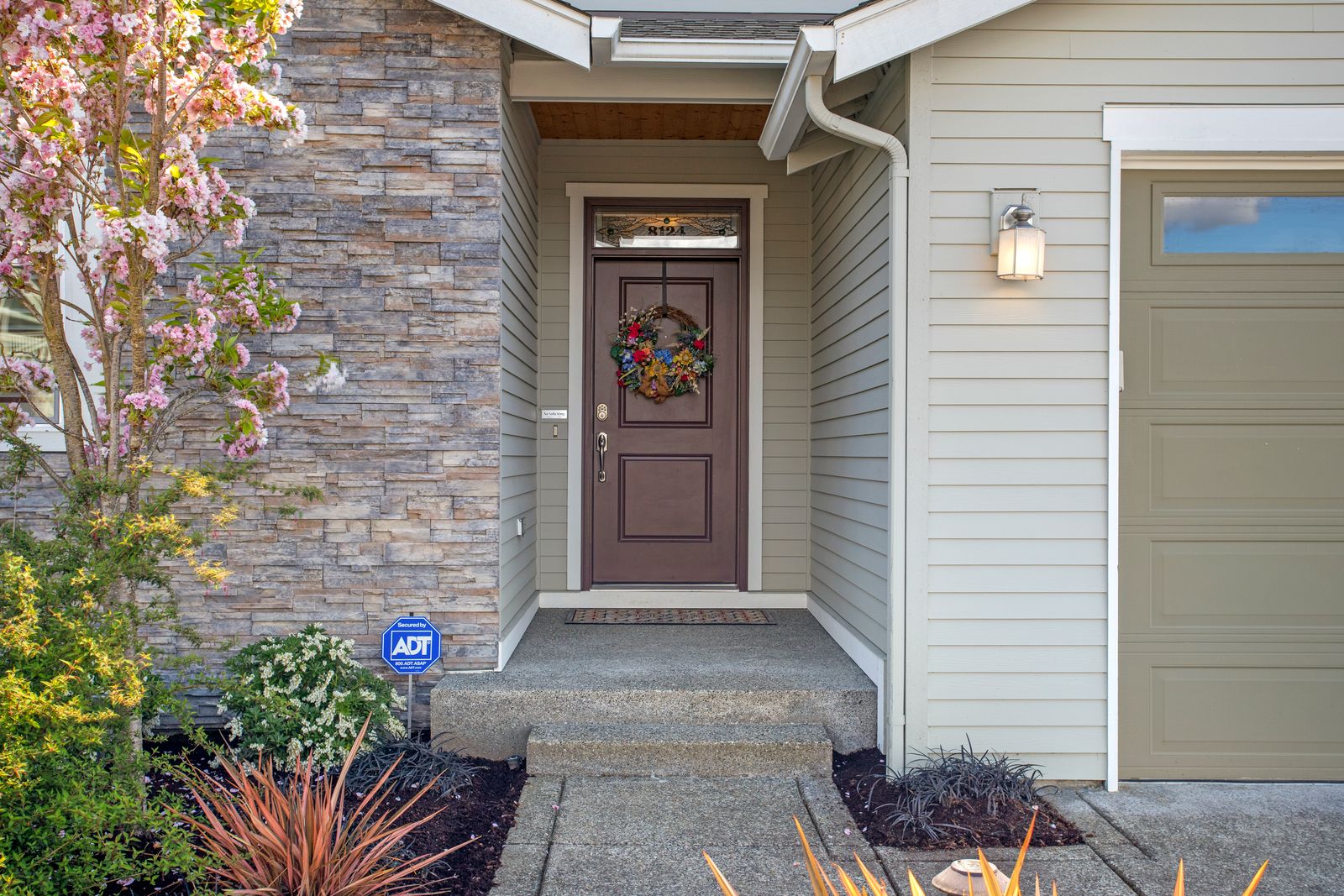
Solar Lighted House Numbers Battery Preservation FAQ: Maximizing Life Across All Seasons
This solar lighted house numbers battery preservation FAQ is about maximizing life across all seasons, not inventing a runtime hours claim. The 600mAh NI-MH battery lasts longer when it sees full charges, avoids sitting empty in heat, and is not drained by a photocell that thinks dusk starts at 3 p.m. Winter, spring pollen, summer heat, and fall leaves each ask for a slightly different habit.
What "life" means for a small NI-MH cell
Battery preservation is cycle health. Repeated shallow, hot, empty days age a cell faster than honest dusk-to-dawn on a sunlit wall. Maximizing life across all seasons means the panel stays clean, the mount stays in the sky, and the intelligent light sensor stays in true night.
This FAQ will not quote a made-up year count. Product specs list 600mAh NI-MH, not a calendar lifetime. Care is what you control: no shipping-tab neglect, no pressure-washer baths, no dead storage in an attic.
IP44 housing keeps rain off the tray when gaskets sit. A cracked ABS boss is a battery-life problem because moisture and corrosion follow.
Season by season
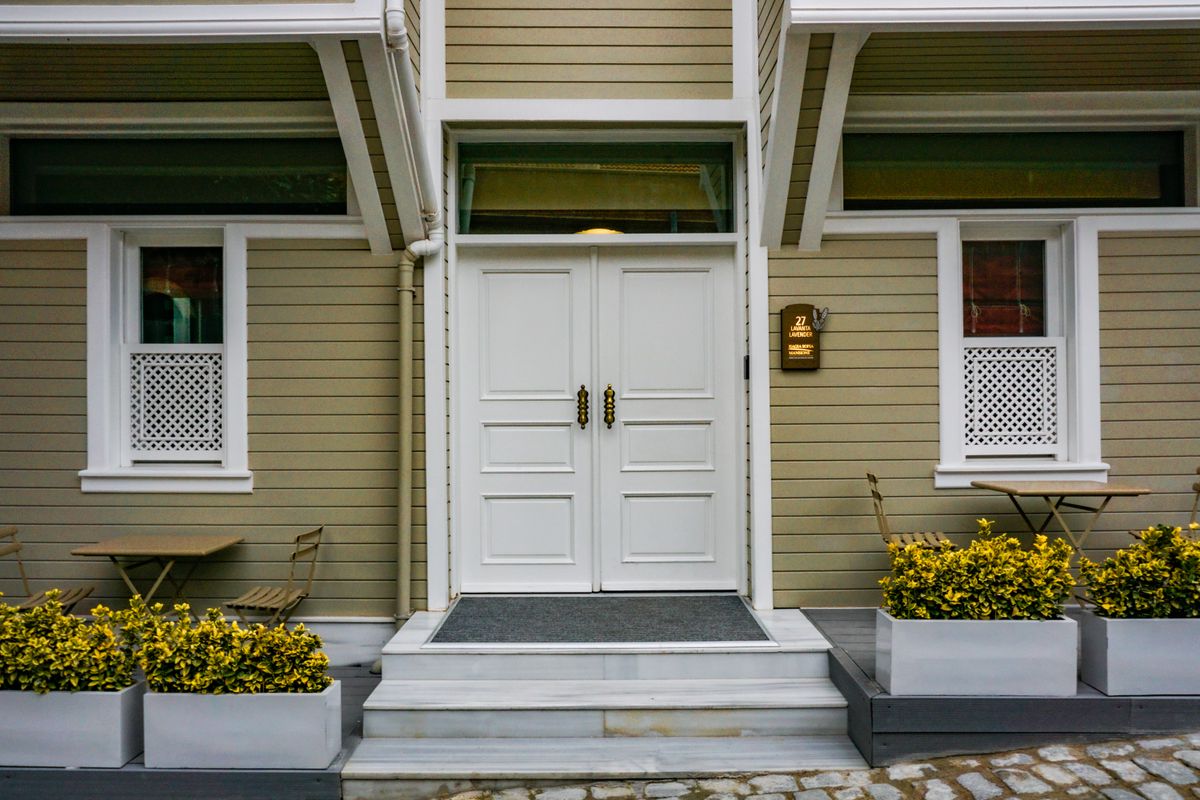
Photo by Yunus KALÇIK on Pexels
Winter: shorter days, snow on the panel, sometimes a north wall that never charges. Move to a mailbox or yard if the house wall fails. Spring: pollen film. Clean. Summer: heat plus overtight screws plus empty cells in blazing sun. Keep charge flowing; do not store the unit dead. Fall: leaves on the panel. Clear them.
Glow stickers have no battery to preserve. Hardwired lights have no 600mAh cell. Solar lighted house numbers are the product this FAQ is for.
Seasonal preservation comparison
| Season | Battery-life threat | Preservation habit | | --- | --- | --- | | Winter | Short days, snow, shade | Clear panel; better sun mount | | Spring | Pollen film | Soft-cloth clean | | Summer | Heat, empty hot storage | Keep cycles honest; no attic death | | Fall | Leaves, early dusk | Clear debris; check sensor glare | | Any season, porch lamp | Early drain | Re-aim photocell | | Any season, sealed shade | Never fills | Wall vs mailbox vs yard move |
Maximizing life across all seasons is placement plus cleaning plus not abusing the cell.
Placement, visibility, and install checklist
- [ ] Confirm the 600mAh NI-MH cell is seated and the tab is out.
- [ ] Give the panel open sky on wall, mailbox, or yard.
- [ ] Keep the sensor in true night.
- [ ] Clean film each high-pollen or dusty month.
- [ ] After snow, uncover the panel.
- [ ] Do not store the sign empty in heat.
- [ ] Snug screws so IP44 gaskets still seal.
- [ ] Recheck night readability from about 50 feet each season.
- [ ] Replace with the same chemistry only after a sunny test fails.
Frequently asked questions
Photo by Max Vakhtbovych on Pexels
How do I maximize battery life in winter?
Sun first. A clean panel on a less shaded mount preserves the 600mAh NI-MH cell better than hoping a north wall will fill it.
Should I take the sign inside all winter?
Only if you will store it charged and cool, then bring it back. Leaving it outside in sun is often better preservation than a hot closet.
Does dusk-to-dawn shorten life versus a switch?
A forgotten switch left on can drain the cell harder. Honest automatic cycles are the design. This FAQ still prefers sensors for lived-in homes.
Can I use lithium AA cells instead?
Do not improvise chemistry. Stay with the specified 600mAh NI-MH type unless the maker says otherwise.
Do all seasons need the same mount?
If summer sun and winter sun land in different places, the better mount is the one that still charges in the harder season.
Related reading
- solar panel and battery storage guide
- how solar address signs charge in cloudy weather
- troubleshooting battery runtime
- dusk-to-dawn operation guide
What to do next
Walk through this battery preservation FAQ by season: clean the panel, keep the 600mAh NI-MH cell cycling in real sun, and point the sensor at true night. That is how solar lighted house numbers maximize life across all seasons without invented hour ratings.
Cover photo by Spencer Lee Eiseman on Pexels.