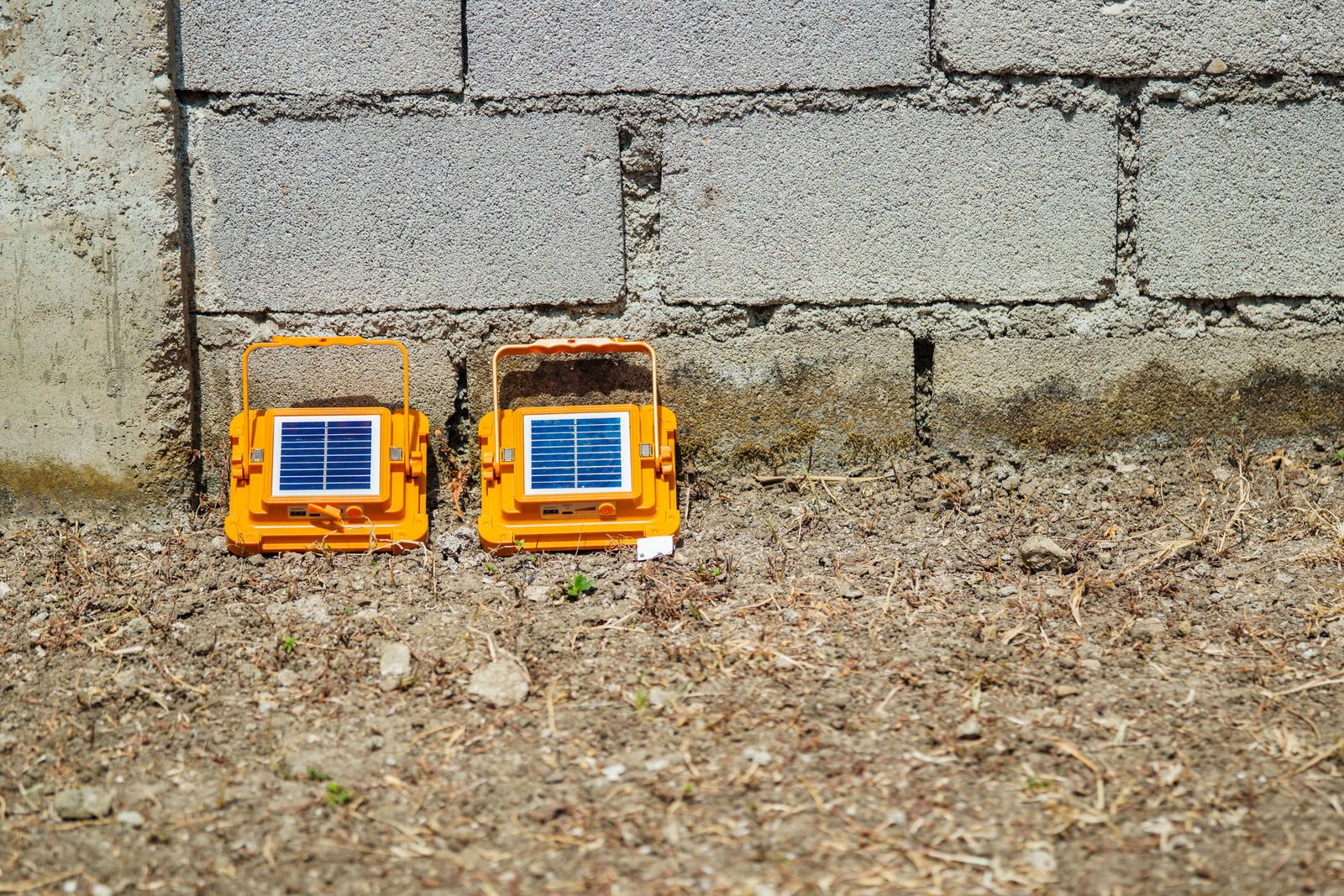
Direct Sunlight vs. Indirect Light Placement: Choosing the Right Spot for Solar Address Signs
Should you mount your solar house numbers under a shaded porch or in direct sunlight? Direct sunlight exposure (6 to 8 hours daily) is mandatory to fully charge the internal 600mAh NI-MH battery and guarantee 12 hours of 100% warm LED illumination. In indirect shade, photovoltaic efficiency drops by 50% to 70%, resulting in just 3 to 5 hours of dim nighttime light that fails before emergency personnel or late-night delivery drivers arrive.
Solar Charging Performance: Direct Sunlight vs. Indirect & Shaded Light
| Installation Scenario | Daily Sunlight Exposure | 600mAh Battery Saturation | LED Brightness Output | Nightly Runtime Duration | Winter & Cloud Reliability |
| --- | --- | --- | --- | --- | --- |
| Direct Sunlight (Unshaded South/West Wall) | 6–8 Hours Direct UV Rays | 100% Full Charge | 100% Warm LED Lumens | 12 Hours (Dusk to Dawn) | High (Sustains Overcast Drops) |
| Open Indirect Light (North Wall or Light Canopy) | 6–8 Hours Ambient Daylight (0 Direct) | 35%–50% Partial Charge | 50%–70% Reduced Lumens | 4–6 Hours (Early Shutoff) | Low (Turns Off Before Midnight) |
| Deep Porch Overhang (<2ft Eave / Covered Patio) | <2 Hours Shielded Daylight | 10%–20% Critical Low Charge | 30% Dim Light / Flickering | 1–3 Hours (Failure Mode) | Failed (Fails to Trigger or Glow) |
This comparative benchmark evaluates solar address plaque performance across three standard residential installation environments. Performance metrics assume clear to partly cloudy conditions with a standard clean solar panel surface.
Trade-offs of Sunlight Exposure Options
Photo by Regina Tommasi on Pexels
Pros
- Direct Sun Reliability: 6 to 8 hours of unshaded sunlight provides a complete 12-hour dusk-to-dawn illumination cycle.
- Peak LED Legibility: Maximum voltage output drives clean, high-contrast warm white LED light through black-and-white plaque numbers.
- Zero Operating Expense: Built-in solar surface panels eliminate hardwiring, electrical boxes, and monthly energy fees.
- Weatherproof Protection: Durable ABS & PC construction with an IP44 rating seals internal electronics against rain, snow, and UV rays.
- Indirect Shade Failure Mode: Low solar irradiance produces insufficient terminal voltage, causing LEDs to dim prematurely.
- Shortened Runtime: Shaded signs shut down between 10:00 PM and 1:00 AM, leaving house numbers dark when delivery drivers need them most.
- Accelerated Battery Strain: Constant shallow charging cycles in indirect light reduce the long-term cycle life of NI-MH batteries.
- Sensor Blindness Risk: Porch placements often put the automatic sensor under ambient exterior house lighting, preventing nighttime activation.
Expert Installer Tip: Conduct a 3-Point Shadow Audit Before Drilling
Before drilling permanent mounting holes into brick, siding, or masonry, perform a simple shadow audit. Place painter's tape at your intended mounting spot and check it at 10:00 AM, 1:00 PM, and 4:00 PM. If roof eaves, gutters, or tree branches cast a shadow over the spot during two or more of these checks, the solar panel will not achieve the 6-hour direct charge required for 12-hour operation. Relocate the sign horizontally along the fascia or trim to hit peak afternoon sun exposure.
Critical Placement Mistakes That Drain Solar Address Batteries
Improper placement is the primary cause of poor nighttime illumination. Avoid these common mounting mistakes during setup:
Solar Address Sign Wall Placement Decision Tree
- Is the mounting wall facing South or West with unshaded exposure? → Yes: Excellent location. Proceeds to check for roof eave shadow lines.. No: Proceed to check North/East light obstruction.
- Is the solar panel positioned at least 18 inches below deep roof overhangs? → Yes: PASS: Ideal mounting spot. Guarantees 6–8 hours direct sunlight and 12-hour illumination.. No: FAIL: Roof eave will cast direct shadow. Lower the plaque position or extend it outward.
- Does a North or East wall receive at least 4 hours of unshaded indirect horizon light? → Yes: CONDITIONAL PASS: Sign will operate for 5–7 hours nightly. Not recommended for all-night emergency visibility.. No: FAIL: Deep shade. Do not mount solar fixture here. Relocate to garage pillar, mailbox post, or yard stake.
Core Takeaways: Direct Sun vs. Indirect Light
- Direct sunlight for 6–8 hours provides a complete 100% charge to the internal 600mAh NI-MH battery.
- Indirect daylight reduces charging output by 50%–70%, yielding only 3–5 hours of dim LED light.
- Smart light sensors automatically turn the warm LEDs on at dusk and off at dawn when ambient light drops.
- IP44 waterproof ABS & PC housing protects internal solar circuitry against heavy rain, snow, and cold conditions.
- A stylish black-and-white high-contrast plaque design maximizes nighttime street legibility for emergency responders.
Printable Placement & Sun Exposure Quick Reference
- Wall Orientation: Target South or West walls first; East walls second; avoid North walls under porch roofs.
- Sunlight Duration: Verify the panel receives 6 to 8 hours of unshaded, direct sunlight daily.
- Overhang Clearance: Ensure top-mounted solar panels extend beyond roof eaves and gutter shadows.
- Light Sensor Isolation: Keep the fixture at least 3 feet away from unshielded artificial porch lights.
- Surface Stability: Mount firmly to siding, brick, or trim using included positioning paper and wall anchors.
- Maintenance: Wipe the top solar surface clean with a damp microfiber cloth every 3 months to clear dust and pollen.
Visual Breakdown: Roof Overhang Shadow Lines & Sun Angles
Understanding how roof eaves block sunlight is critical for wall-mounted solar fixtures.
Solar Address Sign Charge & Illumination Estimator
Estimate your expected nightly runtime based on wall orientation and daylight exposure.
Which Location Is Right for Your Home?
Photo by Matt Webster on Pexels
Direct sunlight (6-8 hours daily) guarantees 12 hours of full-brightness warm LED output from a 600mAh NI-MH battery. Indirect ambient light yields only 3-5 hours of dim lighting, risking failure when delivery drivers and emergency services need it most.
Best choice for
- Wall-Mounted Solar Plaque in Direct Sun — Captures peak afternoon solar radiation, ensuring a full 600mAh battery charge for dusk-to-dawn warm LED light.
- Open Aerial Mounting — Completely removes roof overhang shadows, maximizing photovoltaic absorption from sunrise to sunset.
- The sign location sits under a porch overhang deeper than 2 feet.
- The mounting surface is facing North with dense tree canopy overhead.
- Relocate to Outer Column or Garage Exterior Trim — Shifting the fixture just 3 to 5 feet sideways away from covered entryway arches often restores 6+ hours of direct sunlight access.
Recommended Solution: Solar Lighted House Numbers
Upgrade your home entrance with high-visibility, energy-efficient illuminated house numbers built for all-weather outdoor performance.
Real-World Installation Scenarios: North, South, and Covered Porches
Scenario A: South-Facing Garage Wall with No Overhead Trees — Ideal Setup. Receives 7–8 hours of intense direct UV exposure. The 600mAh battery hits 100% capacity daily. LEDs remain bright at full output for the full 12-hour night.
Scenario B: Covered Front Porch with 3-Foot Eave Overhang — High Risk. Overhead roof structure cuts off direct vertical light rays. The battery charges to only ~25%, causing LEDs to shut down before midnight. Remedy: Relocate sign to outer porch column or garage side wall.
Scenario C: North-Facing Brick Entry with Open Sky Above — Moderate Performance. Lacks direct UV sun rays, but absorbs 8 hours of open sky ambient light. Expect 5–6 hours of moderate LED glow during summer, dropping to 3 hours during short winter days.
How different architectural layouts impact real-world address sign lighting performance:
To understand why indirect daylight causes outdoor solar numbers to turn off early, it helps to examine the physics of small-format photovoltaic (PV) panels and nickel-metal hydride (NI-MH) battery storage.
Solar address plaques utilize compact surface-mounted polycrystalline solar cells. These panels are engineered to convert direct sunlight—specifically solar energy across the ultraviolet and shortwave spectrum—into direct current (DC) electricity. Under direct sunlight yielding approximately 1,000 Watts per square meter of irradiance, the solar panel generates its optimal terminal voltage, rapidly driving electrons into the rechargeable 600mAh NI-MH battery.
The Direct Light Benchmark (6 to 8 Hours)
When exposed to unshaded direct sunlight for 6 to 8 hours, the solar panel output matches the internal battery's optimal charge profile. The 600mAh NI-MH cell reaches full saturation (1.2V–1.4V terminal state). At dusk, the integrated light sensor detects dropping ambient light levels, triggering the internal switch to power the warm white LEDs. With a fully charged battery, the circuit maintains consistent voltage across the LEDs, delivering clean illumination for up to 12 continuous hours until dawn light resets the system.The Indirect & Shaded Light Drop-Off
When a solar sign is placed on a heavily shaded North wall or deep inside a covered porch, it receives only diffuse ambient skylight. Diffuse light offers an irradiance level often below 100 to 200 Watts per square meter. Under these conditions, solar panel voltage output drops significantly.Because NI-MH batteries require a minimum threshold voltage to absorb chemical energy, charging efficiency falls by 50% to 70%. Even if the plaque sits in indirect daylight for 10 hours, the battery may only reach a 30% or 40% charge state. Once night falls, the LEDs draw down this limited charge rapidly. Within 3 to 5 hours, the battery voltage drops below the LED forward voltage threshold, causing the house numbers to dim dramatically or shut off entirely before midnight.
All-Weather Durability: ABS & PC Construction
Proper placement must be matched with physical durability. Outdoor address markers are exposed to intense thermal swings, moisture, and ultraviolet rays. High-quality solar lighted house numbers utilize an engineered blend of Acrylonitrile Butadiene Styrene (ABS) and Polycarbonate (PC). This combination resists structural cracking, warping, and yellowing over years of outdoor exposure. Combined with an IP44 waterproof seal, the internal micro-controller, NI-MH battery, and LED arrays remain fully protected against driving rain, blowing snow, and ambient humidity.Related Placement & Mounting Resources
- Solar Address Signs FAQ: Everything You Need to Know About Weatherproofing, Battery Life, and Visibility
- Modern Solar Address Light Evaluation Framework
- Modern Solar Address Light Choices for Home Security
Frequently Asked Questions
Get clear answers to common questions regarding solar address sign sunlight requirements and winter performance.
Your Action Plan for Mounting Solar Address Signs
Your decision: Determine if your intended address sign wall location receives at least 6 hours of unshaded direct sunlight daily.
Do this next: Perform a shadow test at 10 AM, 1 PM, and 4 PM using masking tape on your wall before drilling mounting holes.
- Read next: How to Position Solar House Numbers for Maximum Sunlight and 12-Hour Nightly Charge
- Read next: Why Are My Solar Address Numbers Dim? Troubleshooting Sunlight & Charging Issues
If your wall receives 6+ hours of sunlight, select the Solar Lighted House Numbers (Colour Name) with IP44 weatherproofing and integrated intelligent light sensor.
Follow these simple steps to verify your installation site and secure long-lasting nighttime street legibility.
Cover photo by Nothing Ahead on Pexels.