Solar Energy Efficiency in Winter and Rain: Frequently Asked Questions
Solar house numbers stay efficient in winter and rain when the panel is clear, the housing is IP44, and the 600mAh Ni-MH pack still gets 6-8 hours of useful light for about 12 hours of illumination. Snow, wet leaves, and gray skies cut charge before they cut the warm LED itself. Wipe the face, keep the intelligent light sensor out of porch glare, and treat a buried panel as a siting and maintenance job, not a mysterious efficiency loss.
Winter efficiency is snow, day length, and a small pack
A surface solar panel cannot charge through a snow cap. The 600mAh Ni-MH cell then starts the long night thin, and warm LED numerals fade before dawn. That is not a failed sensor. It is a covered input. A gloved wipe after a storm is the efficiency move.
Short days shrink the 6-8 hour window. A deep porch that worked in June may never fill the pack in December. Move the plaque, raise it out of a snowbank line, or use a mailbox in open sky.
Ni-MH chemistry prefers a regular charge. A plaque that sits in a north cave all winter is the hard case. IP44 ABS and PC will still be there; the overnight light will not if the cell never filled.
Rain is splash on the housing and film on the panel
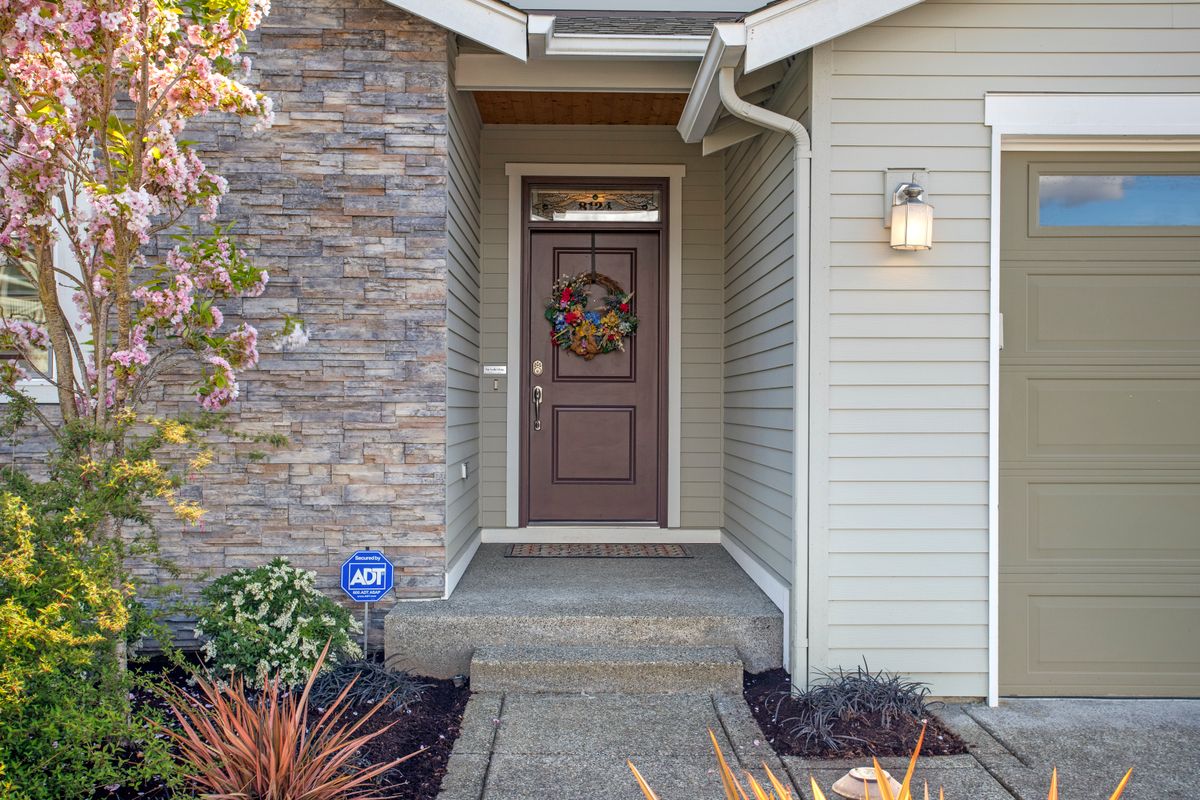
Photo by Spencer Lee Eiseman on Pexels
IP44 is splashing water from any direction, which is rain on a wall plaque. It is not a license to flood the sign or pressure-wash the face. After rain, a film of pollen and grit can stay on the panel and steal the next day's charge. Wipe when the face is dry enough not to grind grit into the plastic.
Wet nights are when contrast matters. Warm LED on a black-and-white face stays readable at about 50 feet when the site is clear. A harsh glare source nearby does the opposite. Keep decorative floods off the intelligent light sensor so rain nights still turn the numerals on.
This page is the efficiency FAQ: what still charges, what only looks like a dead battery. Seasonal wiping and siting are the maintenance companion.
Cloudy weather still needs a real window, not a miracle
Sufficient light is the stated charge condition. Bright overcast can still contribute; a week of dark storms will not match a clear 6-8 hour day. Plan for the 12-hour illumination window after a full charge, and expect a dimmer night after several no-sun days. That is pack math, not a defect.
Do not add house wiring to chase winter. The product is a no-wire plaque. Siting and wiping are the levers.
If numerals go dark only on the longest nights, confirm the panel is clean and the sensor is not seeing a holiday display. Replace-the-pack thinking comes after those two checks.
Winter and rain problems versus the first fix
| Symptom | Likely cause | First fix | | --- | --- | --- | | Dark after a snow night | Buried panel | Wipe the face; check snowbank height | | Fine in rain, dead in January | Short-day shade | Move to a wall with a real 6-8 hour window | | Stays off on wet nights | Glare on the sensor | Shield porch floods from the face | | Dim before dawn | Thin charge on 600mAh | Clean panel; confirm full-day sun | | Water inside after a storm | Housing abuse or open seam | IP44 is splash-rated; do not jet-wash |
Efficiency is maintenance plus placement
There is no winter mode switch. The intelligent light sensor still runs dusk to dawn. The pack is still 600mAh. The charge is still 6-8 hours of sufficient light. Winter and rain only add snow, film, and shorter days. Treat those as scheduled care, not as a reason to pull cable to the porch circuit.
Winter and rain efficiency checklist
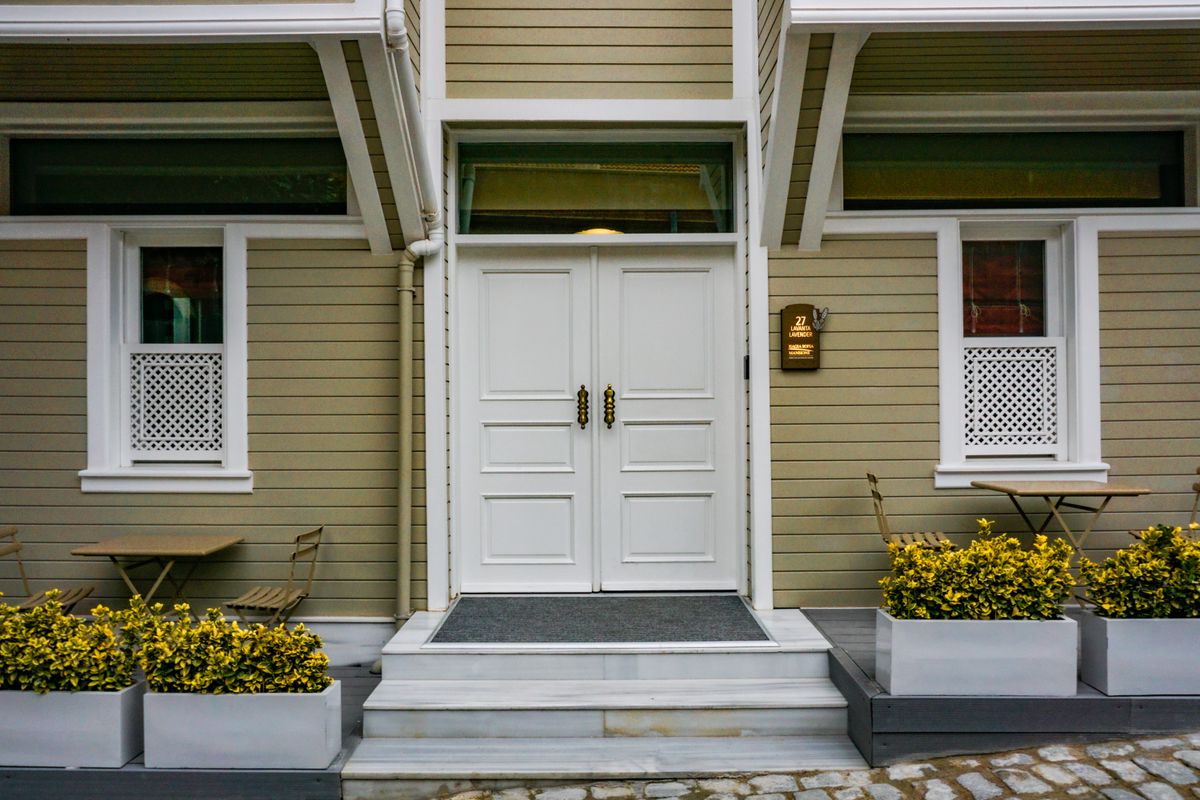
Photo by Yunus KALÇIK on Pexels
- [ ] Wipe snow and wet leaves off the solar face.
- [ ] Confirm a 6-8 hour window still exists on the short-day wall.
- [ ] Keep holiday lights and floods off the sensor.
- [ ] Expect about 12 hours of light after a full charge, less after gray stretches.
- [ ] Raise the plaque above typical snowbank height.
- [ ] Skip pressure washing an IP44 housing.
Frequently asked questions
Do solar house numbers work in winter?
Yes, if the panel can still collect a 6-8 hour window of useful light and is not buried in snow. The 600mAh pack then covers about 12 hours of illumination.
Does rain stop the charge?
Falling rain is an IP44 splash case. A filthy, wet film left on the panel is what steals the next charge.
Should the sign be taken down for winter?
No. ABS and PC with IP44 are built for rain, snow, and UV. Wipe and site; do not store the address.
Why is the sign dimmer after three storm days?
The pack did not get a full 6-8 hour charge. That is expected. Clean the face and use the next clear window.
Can a larger pack be added for winter?
This product uses a 600mAh Ni-MH cell. Efficiency in winter comes from sun and a clear panel, not from an unstated upgrade.
Related reading
Winter siting, seasonal care, and cloudy-day charging sit next to this efficiency FAQ.
- winter sunlight strategy for solar lighted house numbers
- how to maintain a solar address sign during winter
- how solar address signs charge in winter and cloudy weather
What to do next
After the next storm, wipe the solar face and look at the wall's winter sun path. If the 6-8 hour window is gone, move the plaque before blaming the 600mAh pack. Keep glare off the sensor and confirm about 12 hours of warm LED after a real charge day.
Cover photo by Mehmet Kaya on Pexels.