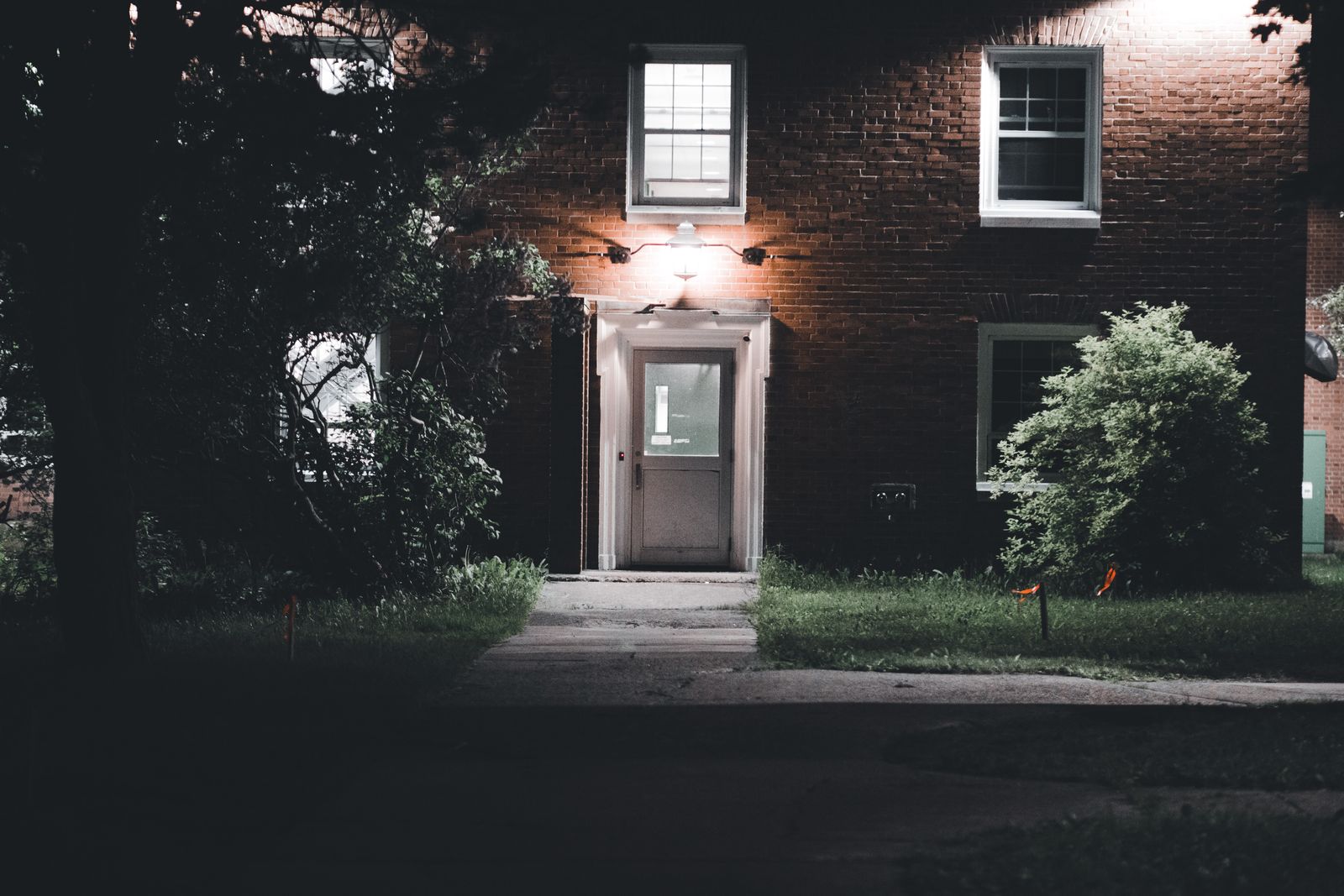
Reflective vs. Solar Lighted House Numbers: Which Keeps Your Family Safer at Night?
Solar lighted house numbers keep a family safer at night than reflective address signs because they create their own contrast instead of waiting for headlights. Reflective plaques only flash when a beam hits them at the right angle; solar lighted numerals with warm LED illumination stay readable from about 50 feet even when a driver approaches from the side. For emergency response, that independent glow is the safer default.
Why reflection is not the same as lighting
Reflective address signs work like a road sign: no beam, no message. Delivery vans, rideshare cars, and fire apparatus often scan a block with parking lights or from an oblique angle. If shrubs, a parked truck, or a curved driveway block the bounce, the family waits while the vehicle hunts.
Solar lighted house numbers store daytime energy in a 600mAh NI-MH battery and use an intelligent light sensor for dusk-to-dawn operation. The address stays on without a switch. IP44 ABS and PC construction is built for rain. DIY install with included screws and positioning paper keeps the project at $0 labor.
Safer at night means found on the first pass. A family that is waiting on medical or fire help does not get a second chance to aim a headlight.
The NFPA home fire safety guidance emphasizes planning for emergencies at home. Visible numbers are part of that plan because crews cannot help a family they cannot locate.
Mailbox, yard, and wall still matter
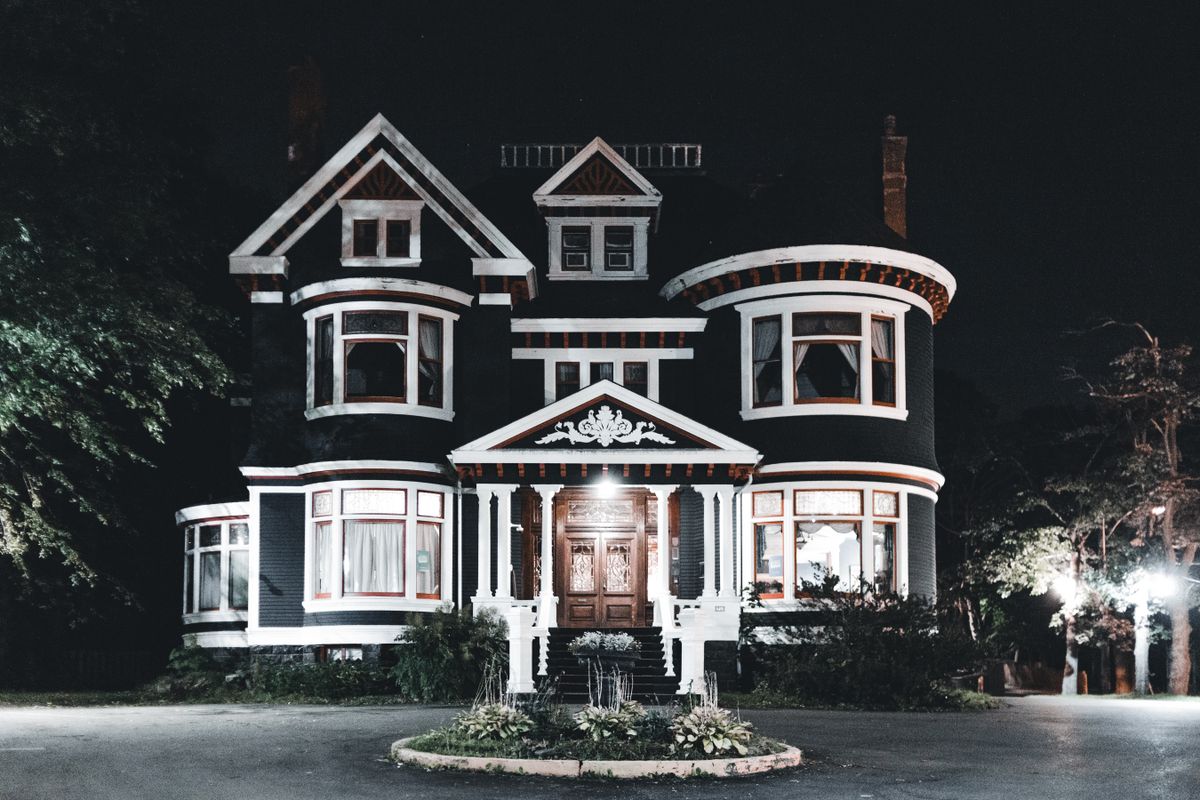
Photo by Erik Mclean on Pexels
A reflective sticker on a mailbox helps only if the box sits in the beam. A solar plaque on a shaded north wall may go dim after a cloudy week. Match the technology to a position that both charges and faces the street.
Glow stickers are a third, weaker option. They store a little ambient light and fade. They are not a substitute for solar lighted house numbers when the goal is family safety after dark.
Solar lighted vs reflective vs glow vs hardwired
| Type | Needs headlights? | Independent night glow | Safer when | | --- | --- | --- | --- | | Solar lighted house numbers | No | Yes, dusk-to-dawn | Side approaches, dark streets, first-pass response | | Reflective address signs | Yes | No | Straight-on beams on an open curb | | Glow stickers | No, but fade | Weak afterglow | Temporary backup only | | Hardwired number lights | No | Yes, if powered | Deep shade with existing wiring | | Mailbox-only reflective | Yes | No | Rural box already in the headlight cone | | Yard or wall solar plaque | No | Yes | Hidden houses and long drives |
For most families, solar lighted house numbers are the safer night choice because they do not depend on a driver's aim. Hardwired lights are the backup when no sun reaches any mount. Reflective signs and glow stickers are supplements, not replacements.
Placement, visibility, and install checklist
- [ ] Stand at the street at night and note whether you need a beam to see the current numbers.
- [ ] Choose solar lighted house numbers if the answer is yes.
- [ ] Pick wall, mailbox, or yard based on both sun and the family approach path.
- [ ] Keep the panel in open sky so the 600mAh NI-MH battery can charge.
- [ ] Aim numerals toward the road, not a side garden.
- [ ] Point the light sensor away from porch lamps so dusk-to-dawn stays honest.
- [ ] Mount above shrubs; confirm about 50 feet of readable approach where possible.
- [ ] Use positioning paper and included screws; DIY install is $0.
- [ ] Keep reflective tape only as a secondary cue on a mailbox, not the only cue.
Frequently asked questions
Photo by Plato Terentev on Pexels
Are reflective address signs enough to keep a family safer?
They help when headlights hit them squarely. They fail on dark, curved, or obstructed approaches. Solar lighted house numbers remain visible without that beam.
Do solar lighted house numbers work in rain?
IP44 waterproof ratings cover typical rain and splashes. Wipe the panel after storms so charge is not blocked by debris.
Which is better on a mailbox?
A solar lighted plaque on a sunlit box is stronger at night than a reflective sticker. If the box is shaded, use a yard or wall solar mount and keep reflection as extra contrast.
Can I combine reflective and solar?
Yes. Many families add reflective digits as a backup while relying on solar lighted house numbers for independent glow.
Why not only hardwired lights?
Hardwired fixtures need existing power and often an electrician. Solar lighted house numbers install without wiring and still keep the address visible for a family after dark.
Related reading
- comparison of solar lighted house numbers vs glow stickers
- why visible house numbers matter for first responders
- how to make house numbers visible at night
- solar vs hardwired energy-efficiency FAQ
- guide to emergency responder house signs
What to do next
Walk to the street after dark without using a flashlight on the facade. If you cannot read the address, reflective signs will not keep your family safer when a driver approaches from the side. Mount solar lighted house numbers where the panel sees sun and the numerals face the road.
Cover photo by Erik Mclean on Pexels.