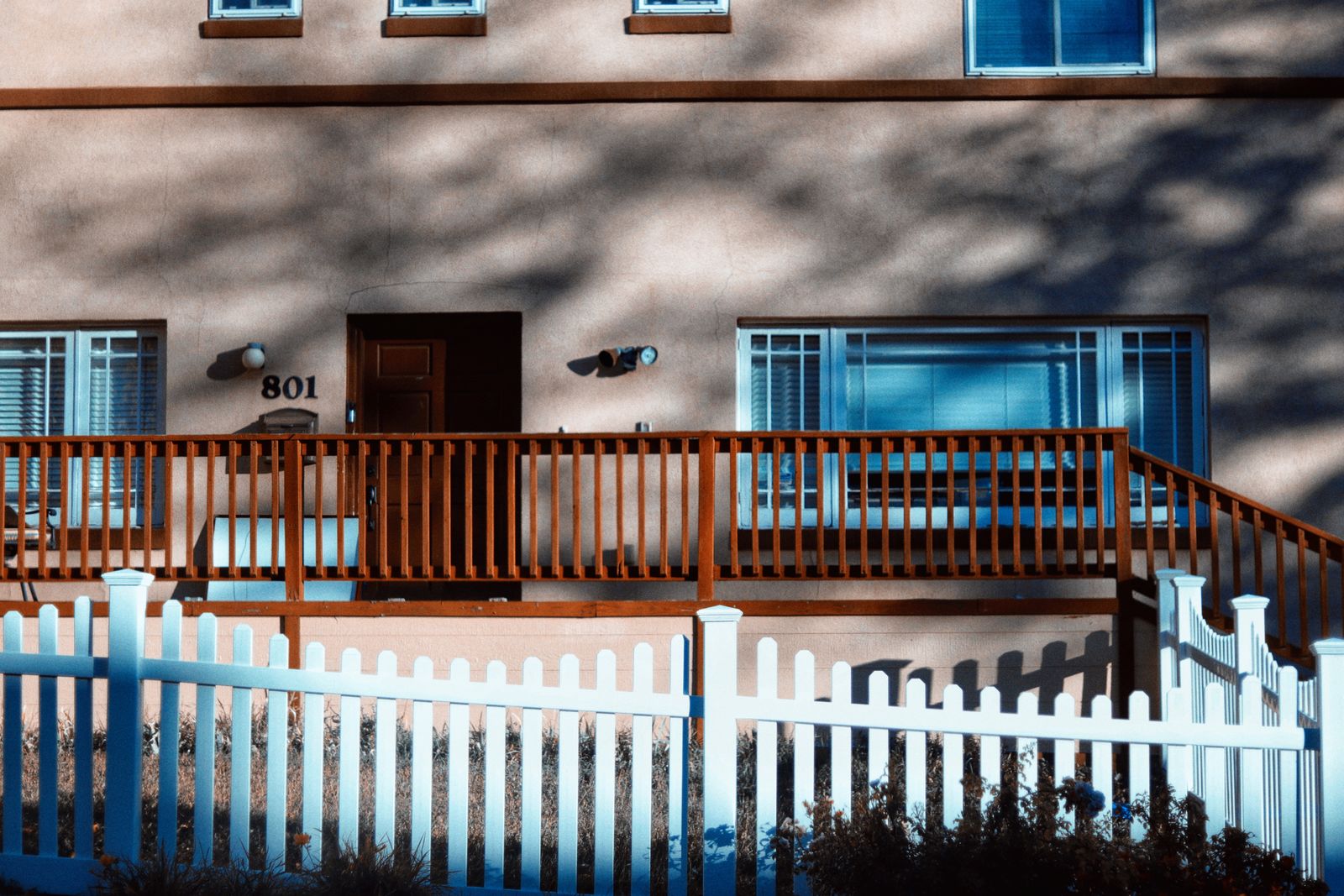
Can Solar House Numbers Work in Shaded Porches and North-Facing Walls? FAQ & Placement Guide
Imagine a delivery driver searching for your home at 9 PM down a dark suburban street. Your entryway sits under a deep roof overhang on a north-facing wall that never receives direct sun. Will a solar address plaque light up when you need it most?
Yes, solar house numbers work on north-facing walls and in partial shade by harvesting diffuse ambient daylight. A 600mAh NI-MH battery charging for 6–8 hours in indirect sky daylight delivers 4 to 7 hours of warm LED illumination, compared to 12 hours in full direct sun. However, deep covered porches blocking all open sky exposure cut charging drastically; in those specific architectural dead zones, mounting the fixture on an outer pillar, mailbox, or fascia board is necessary.
Evaluating Your Exterior: Covered Porch vs. North-Facing Wall
Solar address signs perform reliably on north-facing walls exposed to open sky, but deep roof overhangs eliminate the ambient daylight needed to charge internal NI-MH batteries.
Best choice for
- Wall-Mounted Solar House Number Plaque — Receives continuous ambient daylight, enabling the solar panel to recharge the 600mAh battery for 5–8 hours of nightly warm LED output.
- Outer Pillar or Garage Trim Mounting — Shifts the photovoltaic panel past the shadow line of the roof, restoring full daylight access while maintaining clear street visibility.
- Installing the plaque directly under a solid porch roof where ambient sky visibility is below 15%.
- Mounting the sign within 4 feet of a bright 100-watt equivalent porch light that overrides the dusk-to-dawn optical sensor.
- Mailbox Post or Perimeter Fence Mounting — Positions the solar panel in open light while improving visibility for emergency vehicles and food delivery drivers before they enter your driveway.
Expert Tip: Maximize Diffuse Daylight Absorption with Vertical Positioning
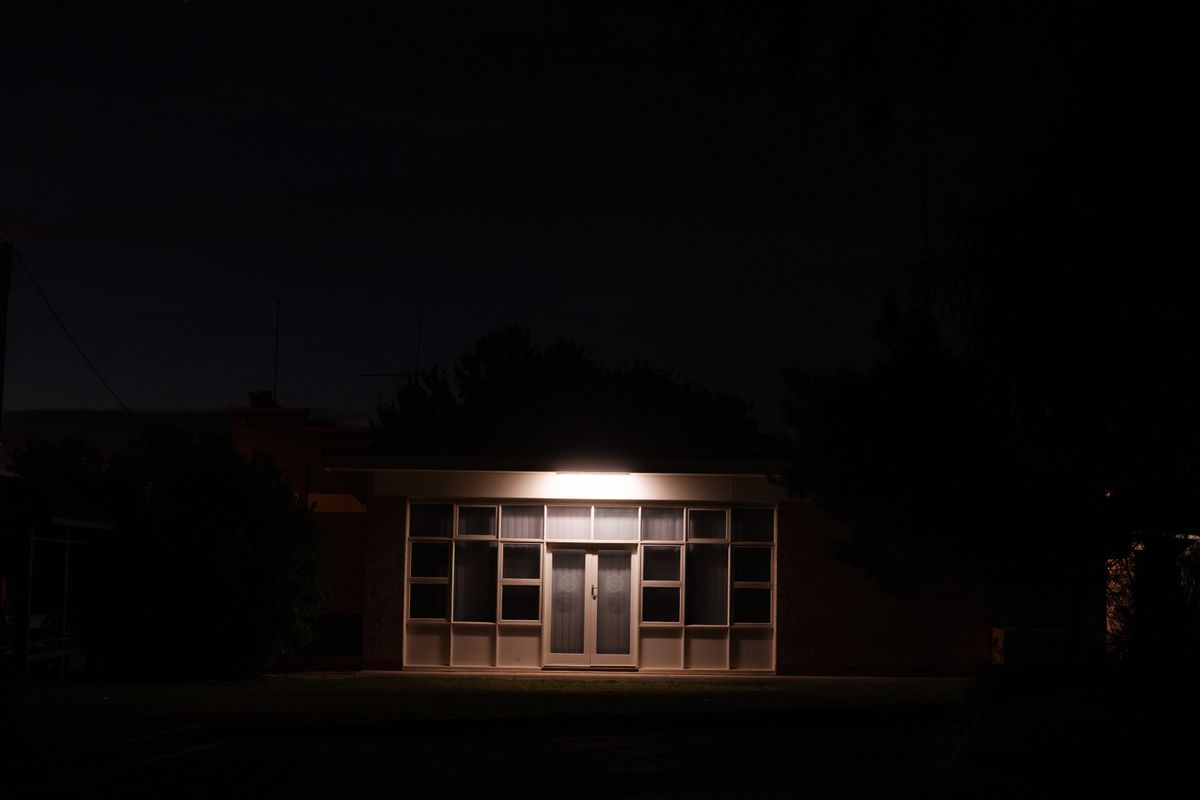
Photo by Matt Webster on Pexels
When installing solar house numbers in shaded locations, position the sign flush against an exterior wall that faces outward toward an open horizon rather than tucked into an architectural recess.
Because indirect daylight strikes the panel from the open sky overhead, keeping the top integrated solar surface completely clear of overhead trim or gutter shadows increases photon capture by up to 35%. If your porch roof extends significantly outward, consider using included mounting hardware on the outer vertical face of a porch column. This maintains a clean, modern aesthetic while providing delivery drivers, emergency personnel, and visitors with an instantly readable address plaque from the curb.
Shade Level & Expected Battery Runtime Matrix
| Exposure Level | Daylight Condition | Charging Efficiency | Nightly LED Runtime | Recommended Mounting Strategy |
| --- | --- | --- | --- | --- |
| Full Direct Sun | Unobstructed South/West exposure (6–8 hrs sun) | 100% | 12 Hours (Full Night) | Direct wall mount, porch wall, garage fascia, or mailbox post. |
| North Wall (Open Sky) | Indirect sky radiation, no direct solar beam | 50% – 65% | 6 – 8 Hours | Standard wall mounting; clean solar panel surface monthly. |
| Partial Canopy Shade | Filtered light through deciduos tree branches | 40% – 60% | 5 – 7 Hours | Mount on exterior wall clear of direct low-hanging limbs. |
| Deep Porch Overhang | Recessed door frame under solid roof projection | 10% – 25% | 1 – 3 Hours (Insufficient) | Relocate to outer porch column, perimeter fence, or post. |
Review how direct solar beam exposure compares against indirect ambient light and heavy roof shadows when powering a 600mAh NI-MH battery fixture.
Decision Flowchart: Where Should You Mount Your Solar Address Sign?
- Is your proposed mounting location covered by a deep roof overhang or porch ceiling? → Yes: Proceed to Question 2. No: Mount directly on wall. Your plaque will receive adequate direct or ambient diffuse daylight for 6–12 hours of evening light.
- Looking up from the proposed spot, can you see open blue sky above or in front of the fixture? → Yes: Proceed to Question 3. No: Relocate to an outer porch pillar, mailbox post, or outer wall fascia. Zero sky visibility prevents solar charging.
- Is there a bright artificial porch light mounted within 4 feet of the proposed location? → Yes: Move the solar sign at least 5 feet away from artificial lighting so the automatic light sensor can activate at dusk.. No: Ideal setup! Mount your solar address plaque with confidence.
Key Takeaways for Low-Light Solar Address Sign Placement
Pre-Installation Shade & Sunlight Site Audit Checklist
- Check overhead sky line: Ensure the solar panel on top of the plaque has an unobstructed view of open sky.
- Check artificial light sources: Confirm your main porch lamp is mounted at least 4 to 6 feet away from the light sensor.
- Verify daytime sky exposure: Confirm the location receives at least 6 hours of indirect outdoor daylight between 9 AM and 4 PM.
- Inspect seasonal foliage: Ensure spring/summer tree leaves won't completely block daylight from reaching the fixture.
- Test curb sightlines: Verify that the modern black and white plaque is clearly visible to approaching emergency vehicles and delivery drivers from 50+ feet.
Common Shade Mounting Mistakes to Avoid
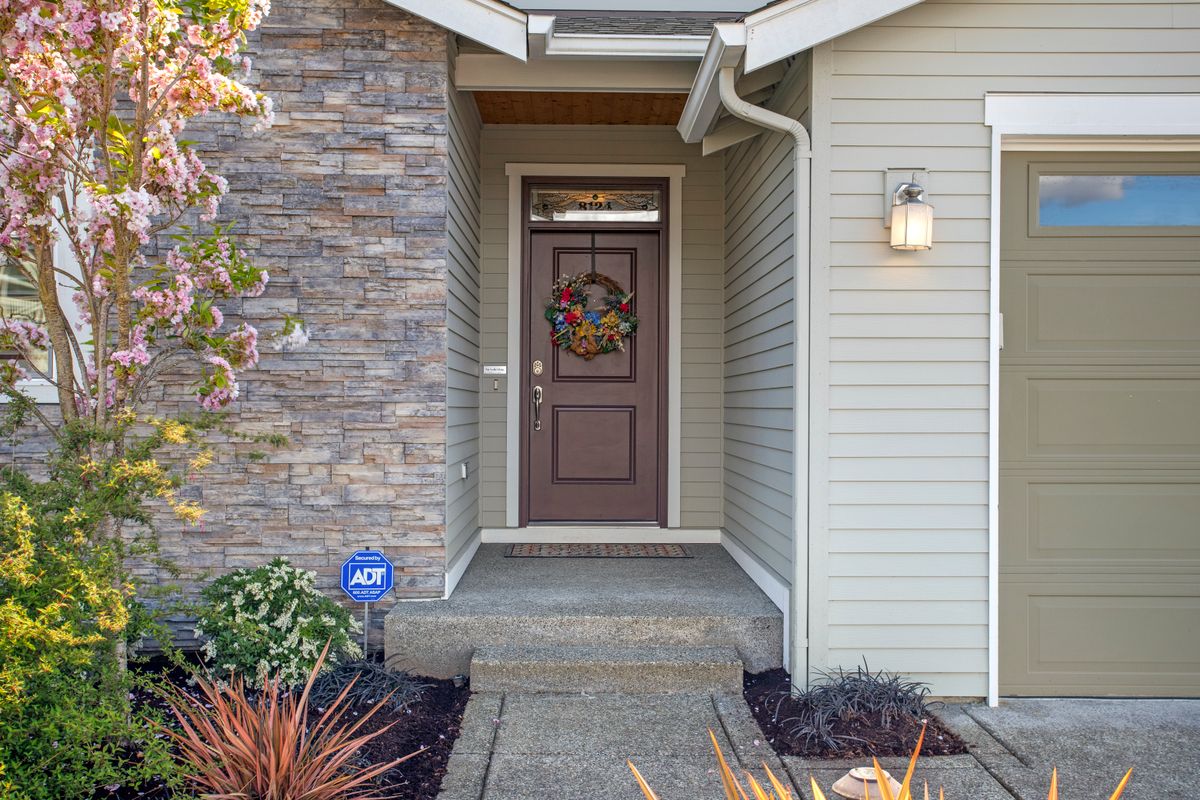
Photo by Spencer Lee Eiseman on Pexels
Avoid these common installation errors that lead to premature dimming or short battery runtimes:
- Tucking the plaque deep under architectural alcoves: Placing solar house numbers inside deeply recessed front entryways starves the photovoltaic surface of both direct sun and diffuse sky light.
- Mounting too close to high-wattage porch lamps: High ambient lux from artificial lamps tricks the internal automatic light sensor into 'daytime mode', preventing the warm LEDs from illuminating at dusk.
- Neglecting regular surface maintenance: Allowing pollen, dust, soot, or winter snow to build up on the solar panel surface reduces indirect light conversion by up to 50%.
- Ignoring seasonal sun shifts: A spot that receives sufficient diffuse light in mid-summer may sit in deep shade during winter when the sun sits lower on the horizon.
Frequently Asked Questions: Low Light & North Wall Solar Signs
Recommended Solution for Modern Address Visibility
If you need a highly legible, weatherproof address plaque engineered for reliable performance across all seasons, consider our flagship lighting system.
Additional Resources on Exterior Signage & Solar Placement
Explore our expert guides to optimize your home's exterior curb appeal, emergency readiness, and exterior lighting:
- DIY Installation & Surface Mounting Guide: Learn how to mount address plaques securely to brick, stucco, vinyl siding, and wood surfaces.
- Dusk-to-Dawn Optical Sensor Optimization: Technical deep dive into tuning light sensors and avoiding artificial light interference.
- Emergency Visibility Standards for U.S. Suburban Homes: Recommended character sizes, contrast ratios, and lumen outputs for fast first-responder identification.
Actionable Next Steps for Low-Light Installation
Your decision: Determine whether your north-facing wall or shaded entryway offers an open sky view for diffuse daylight solar charging.
Do this next: Perform a simple 10 AM to 2 PM outdoor daylight audit to verify open sky access before selecting your final mounting location.
- Read next: Positioning Solar House Numbers for Maximum Sunlight and 12-Hour Nightly Charge
- Read next: Troubleshooting Dim Solar Address Numbers and Sensor Glare
Solar Lighted House Numbers with Warm LED Illumination & Automatic Daylight Sensor
Cover photo by Eduardo Avila Carbajal on Pexels.