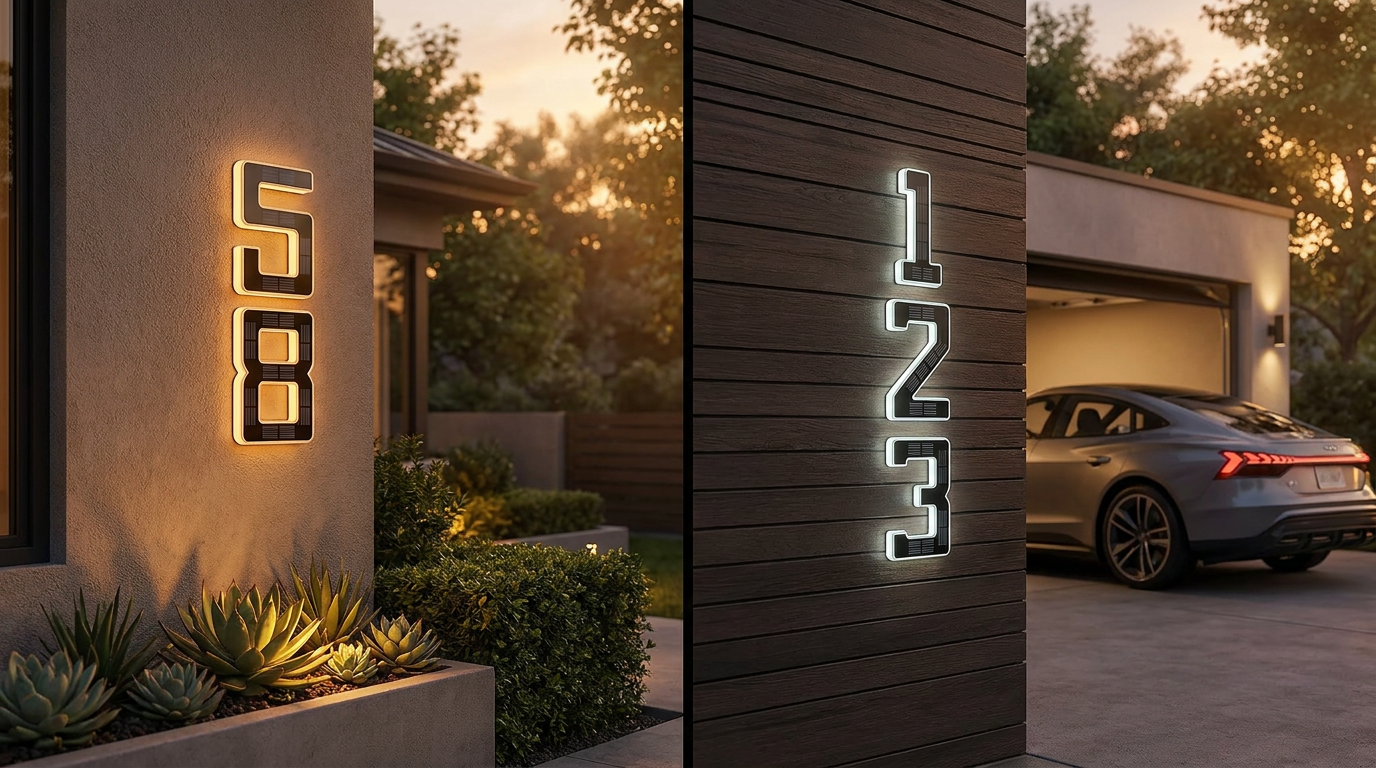
What are the best light up house numbers for outside?
 Daniel OkaforField Tester
May 12, 2026 — High-performance light up house numbers for outside utilize integrated solar cells or hardwiring to ensure visibility from 100 feet. For optimal legibility, look for a brightness standard of 5000K.
Illuminated addresses help emergency responders and delivery drivers navigate neighborhoods at night. While traditional placards often disappear in the shadows, light up house numbers provide a reliable visual anchor. Selecting a system requires balancing the easy installation of solar against the constant power of wired LED units.
Should I choose solar or hardwired light up house numbers for outside?
Solar-powered house numbers are the best choice for most retrofits as they eliminate electrical trenching. According to product specifications from Selegna Signs, premium solar LED address numbers are weatherproof and operate on a dusk-to-dawn cycle. They are ideal for fences, mailboxes, and yard stakes where power is unavailable.
These units feature front or back illumination to maximize contrast. While hardwired systems provide consistent intensity, modern solar technology has closed the gap. Consider how long do LED house numbers with a solar battery last? to ensure the cells withstand seasonal changes. High-quality builds, such as the dual-lit solar models from Backlit LED Sign, carry IP65 waterproof ratings to protect circuitry from rain and snow. For solar specifically, the panel's day job constrains where the numbers can live. A north-facing façade — common, since houses face every direction while the sun favors one — may leave an integrated panel in permanent shade, which is the single most frequent reason a solar address sign disappoints. Walk out at midday and look at the intended mounting spot: if it is in shadow then, it will charge poorly year-round, and the fix is either a unit with a separate panel on a cord (letting the sign sit shaded while the panel finds sun) or choosing the mailbox or a yard stake at the curb instead of the house wall. Porch roofs, deep eaves, and mature trees all read as architecture during the day and as charging problems at night.
The curb-versus-door question is worth answering before the solar-versus-wired one: a beautifully lit number beside the front door helps nobody who is still out on the street trying to identify the house. If the house sits well back from the road, curb-level placement is the one that actually shortens a delivery — or an ambulance response.
How does color temperature affect the visibility of house numbers?
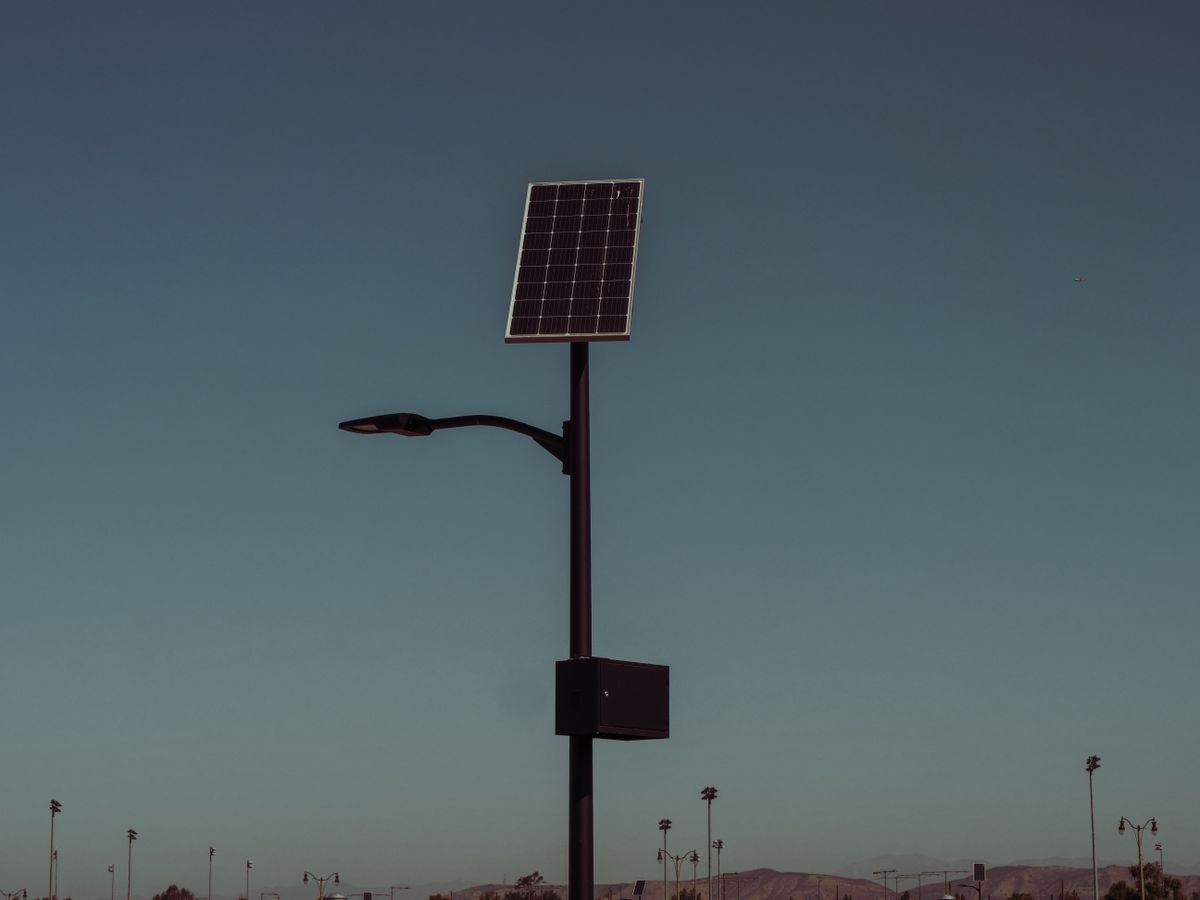
Photo by Kindel Media on Pexels
A color temperature of 5000K is the industry standard for outdoor legibility, mimicking natural daylight. Modern Lights notes that 5000K LED backlit house numbers boost curb appeal by providing a cool white glow visible in fog or rain. This range ensures numbers do not appear yellow or dim from a distance.
For a specific aesthetic, modern floating solar house numbers in matte black use white LEDs to create a functional silhouette. Material choice also matters; Luxello USA utilizes milled aluminum for backlit numbers to dissipate heat and maintain LED integrity. This architectural-grade construction prevents the "hot spotting" common in plastic alternatives, ensuring even light distribution. Brightness and color temperature both matter less than contrast, which is what a moving driver's eye actually locks onto. Light numerals on a dark plaque — or backlit numbers throwing a halo onto a dark wall — stay readable at distances where equally bright numbers on a light or busy background dissolve. When evaluating any unit, imagine it against the actual wall it will hang on: white LEDs silhouetted against white siding give away most of their advantage. This is also the argument for the floating standoff designs, which cast their glow onto whatever is behind them and effectively manufacture their own contrast.
Before finalizing size and placement, it is worth five minutes checking local requirements: many municipalities and fire codes set minimum digit heights and require the number to be visible from the street precisely because responders lose time hunting for addresses. Local rules are typically in the three-to-six-inch minimum range, and meeting them with margin costs nothing at purchase time. The cheapest insurance of all is a non-electric backup — reflective numerals on the mailbox post — so the address stays findable even on the night the battery finally quits.
Quick answers
Q: What is the standard brightness for outdoor illuminated numbers? A: Manufacturers like Modern Lights target 5000K to ensure visibility day or night without glare.
Q: Are solar house numbers bright enough for emergency services? A: Yes, if they use high-output LEDs and receive 4-6 hours of direct sunlight. Brands like Backlit LED Sign use IP65 housings for all-weather performance.
Q: How large should the numbers be for roadside visibility? A: Luxello suggests 5 to 8 inches for standard residential setbacks to be readable from a moving vehicle.
Q: Can solar address signs be mounted on a mailbox? A: Yes, specialized solar lighted house numbers include mounting brackets for mailboxes and fences.
Learn more about Solar Lighted House Numbers at https://solarlightedhousenumbers.com.
Installation details that separate a clean result from a callback
Most illuminated number kits install in under half an hour with a drill, a level, and patience for one rule: mark first, drill second. Tape the paper template (or the plaque itself) to the wall, step back to the street, and check the height and position from where the numbers will actually be read — the spot that looks right from two feet away often sits too low or drifts behind a porch column from thirty feet. On masonry, use the anchors the kit supplies; on siding, aim for studs or use proper hollow-wall anchors, because a plaque that racks out of level after a season of wind reads as neglect from the curb.
For solar models, finish the job by giving the unit one full sunny day of charge before judging its nighttime output — first-night dimness on a fresh install is usually an empty battery, not a defective light. Then calendar a twice-yearly wipe of the panel and lens; pollen film and cobwebs dim these fixtures so gradually that owners rarely notice until the spring cleaning makes the numbers look new again.
Sources
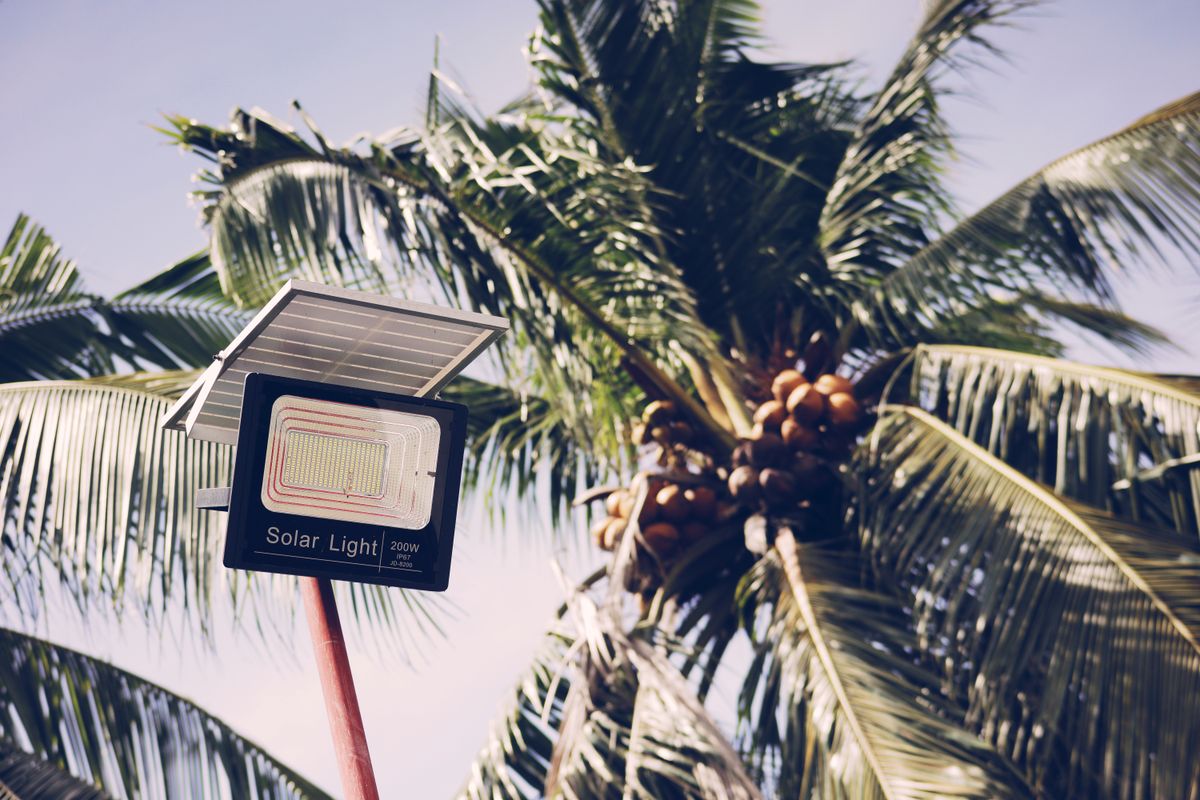
Photo by Nothing Ahead on Pexels