ABS vs. Polycarbonate: Why Both Materials Matter for Outdoor Solar Address Signs
ABS vs polycarbonate is not an either/or slogan for outdoor solar address signs: both materials matter because they do different jobs in the same housing. ABS (acrylonitrile butadiene styrene) is a tough, moldable body plastic; PC (polycarbonate) is the clearer, more impact-resistant choice for lenses and covers that have to pass light. Durable outdoor solar address signs use that pairing instead of a single indoor-grade polymer.
What ABS brings to an outdoor sign
ABS is widely used for housings because it machines and molds cleanly, takes fasteners, and holds shape on a wall, mailbox, or yard post. For solar lighted house numbers, a rigid body keeps the panel aimed at the sky and the numerals square to the street. Cheap, brittle plastics crack at screw bosses when you overtighten — ABS is the reason included screws can be snug without immediately splitting the mount.
ABS is not magic in UV. Outdoor solar address signs still need a formulation and design meant for sun, plus IP44 sealing so rain does not sit on electronics. A 600mAh NI-MH battery and warm LED illumination live inside that shell; the plastic's job is to protect them without yellowing into a milky mess overnight.
What polycarbonate brings
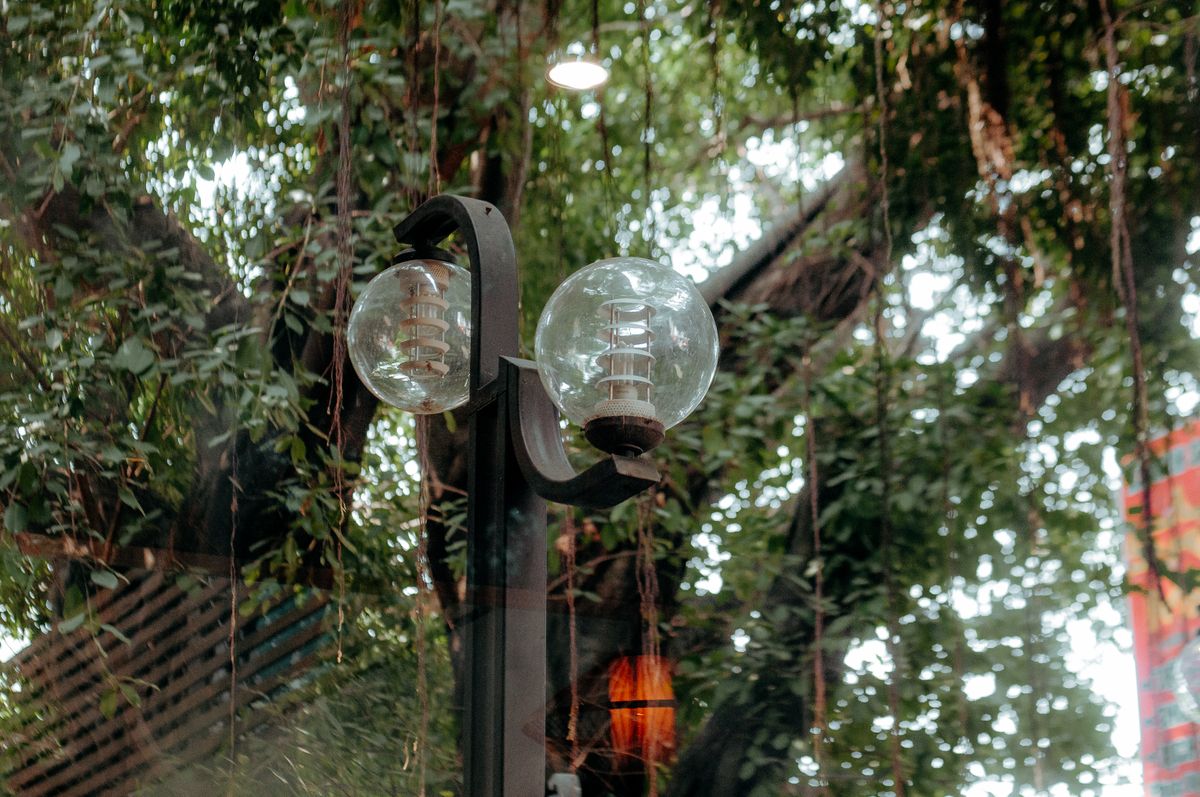
Photo by 🇻🇳🇻🇳Nguyễn Tiến Thịnh 🇻🇳🇻🇳 on Pexels
Polycarbonate matters where light has to leave the fixture and where a stray ball or hailstone might hit. PC lenses stay tougher than many acrylics. On outdoor solar address signs, that is the difference between a readable face after a storm and a spider-webbed cover that kills contrast.
Both materials matter together: ABS structure, PC optical face (or mixed ABS & PC construction, as on this product class). A glow sticker has neither a housing nor a lens. A hardwired metal lantern skips these plastics and adds wiring instead.
ABS vs PC vs other outdoor options
| Material or type | Typical role | Outdoor watch-out | | --- | --- | --- | | ABS body | Housing, screw bosses, shape | UV and overtight screws | | Polycarbonate (PC) | Lens, cover, impact face | Scratches if cleaned with grit | | ABS & PC together | Complete solar address sign | Best of structure + light path | | Bare metal plaque | Daytime looks | No inherent night light | | Glow stickers | None of the above | Peel and fade | | Hardwired metal fixture | Alternate housing | Install cost, not $0 DIY |
Why both materials matter: an ABS box with a cloudy cheap window still fails at night, and a PC lens on a brittle body still cracks at the wall. Outdoor solar address signs need the pair.
Placement, visibility, and install checklist
- [ ] Confirm the listing mentions durable outdoor plastics such as ABS and PC.
- [ ] Mount on wall, mailbox, or yard without twisting the housing.
- [ ] Snug included screws; do not crush ABS bosses.
- [ ] Clean PC faces with a soft cloth, not abrasives.
- [ ] Keep the solar panel clear so interior electronics stay cooler and drier.
- [ ] Check gaskets so IP44 sealing still works after install.
- [ ] Position numerals for about 50 feet of street view.
- [ ] Avoid using the sign as a step or a hose hanger.
- [ ] Inspect seasonally for cracks at screw points and haze on the lens.
Frequently asked questions
Photo by JINU JOSEPH on Pexels
Is polycarbonate always better than ABS?
No. PC is often better for impact and clarity; ABS is often better as a moldable, screw-friendly body. Both materials matter in one outdoor solar address sign.
Why not all-PC housings?
Cost and molding. Many designs put PC where you look and ABS where you fasten.
Does ABS vs PC change brightness?
The LED and lens clarity matter more than the body plastic. A yellowed cover will hide warm LED illumination no matter how good the ABS is.
Will these plastics survive rain?
With IP44 sealing and intact gaskets, typical rain is the design case. Standing water and pressure washing are not.
Can I mount ABS/PC signs on brick?
Yes, with masonry anchors and a square hang so the body is not used as a clamp.
Related reading
- what IP44 waterproof means for solar address lights
- buying guide for weatherproof solar address signs
- moisture protection troubleshooting
- LED solar address plaque review
What to do next
When you shop outdoor solar address signs, look for ABS and polycarbonate used on purpose — body plus lens — not a toy-grade shell. Mount the paired housing square on a sunlit wall, mailbox, or yard post so both materials can do their jobs through weather and night.