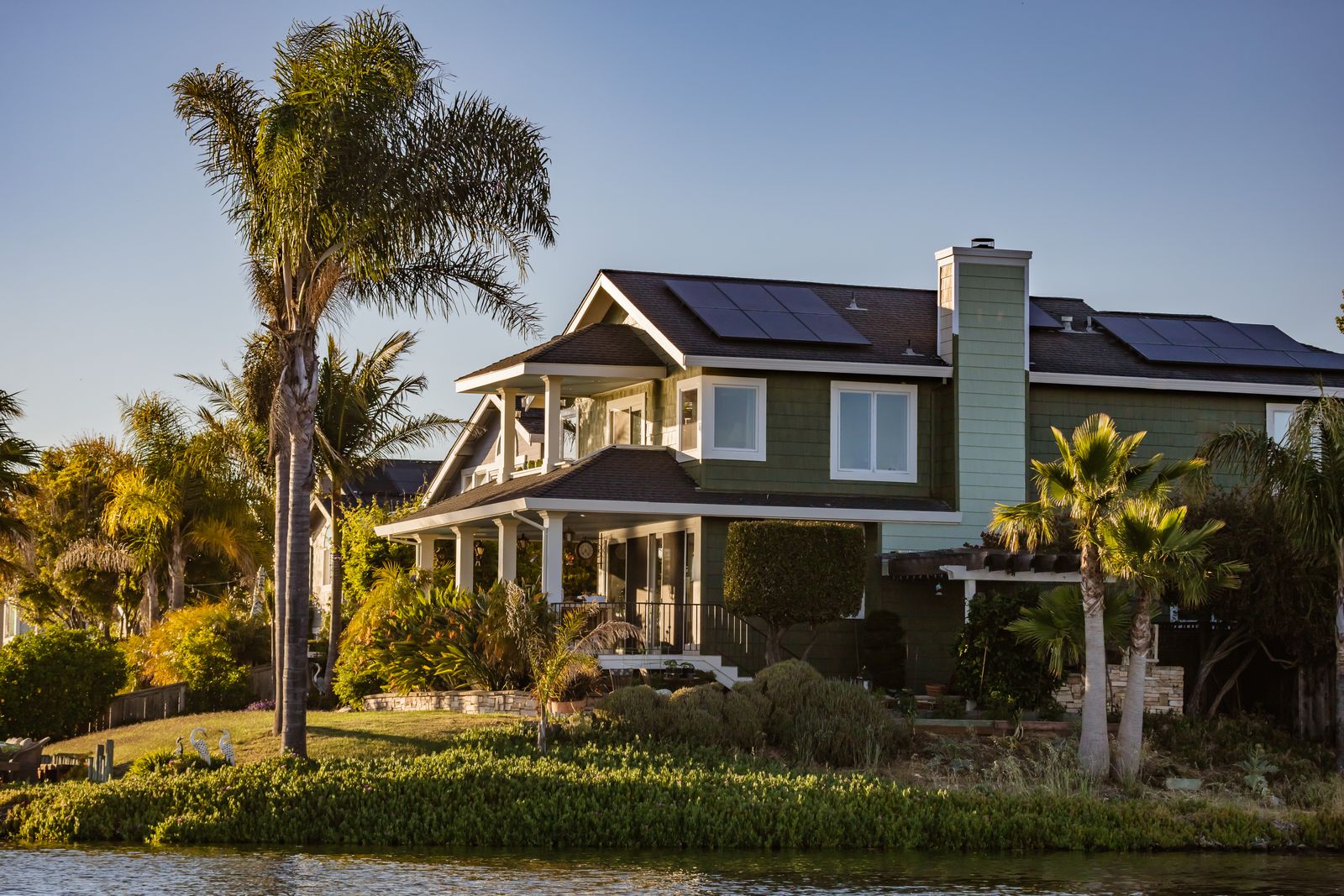
Matching Solar Illuminated House Numbers to Home Architecture
The 3:1 contrast ratio rule dictates that high-contrast black-and-white solar house numbers pair effortlessly across modern, traditional, craftsman, and industrial facades. Mount signs 48 to 60 inches above ground level near warm 3000K accent lights for optimal architectural cohesion and 100-foot emergency visibility.
Key Design Rules for Architectural Address Integration
- Maintain a minimum 3:1 visual contrast ratio between the address plaque and underlying facade for daytime legibility.
- Mount solar plaques 48 to 60 inches from floor level to align with architectural sightlines and door handle height.
- Ensure 6 to 8 hours of unshaded daylight access to achieve a full 12-hour charge cycle for the 600mAh NI-MH battery.
- Match warm LED illumination (2700K–3000K) with existing residential outdoor landscape fixtures to prevent visual kelvin clash.
- Select IP44 waterproof ABS & PC engineered hardware to withstand rain, snow, and UV radiation year-round.
Architectural Mounting & Photometric Specification Matrix
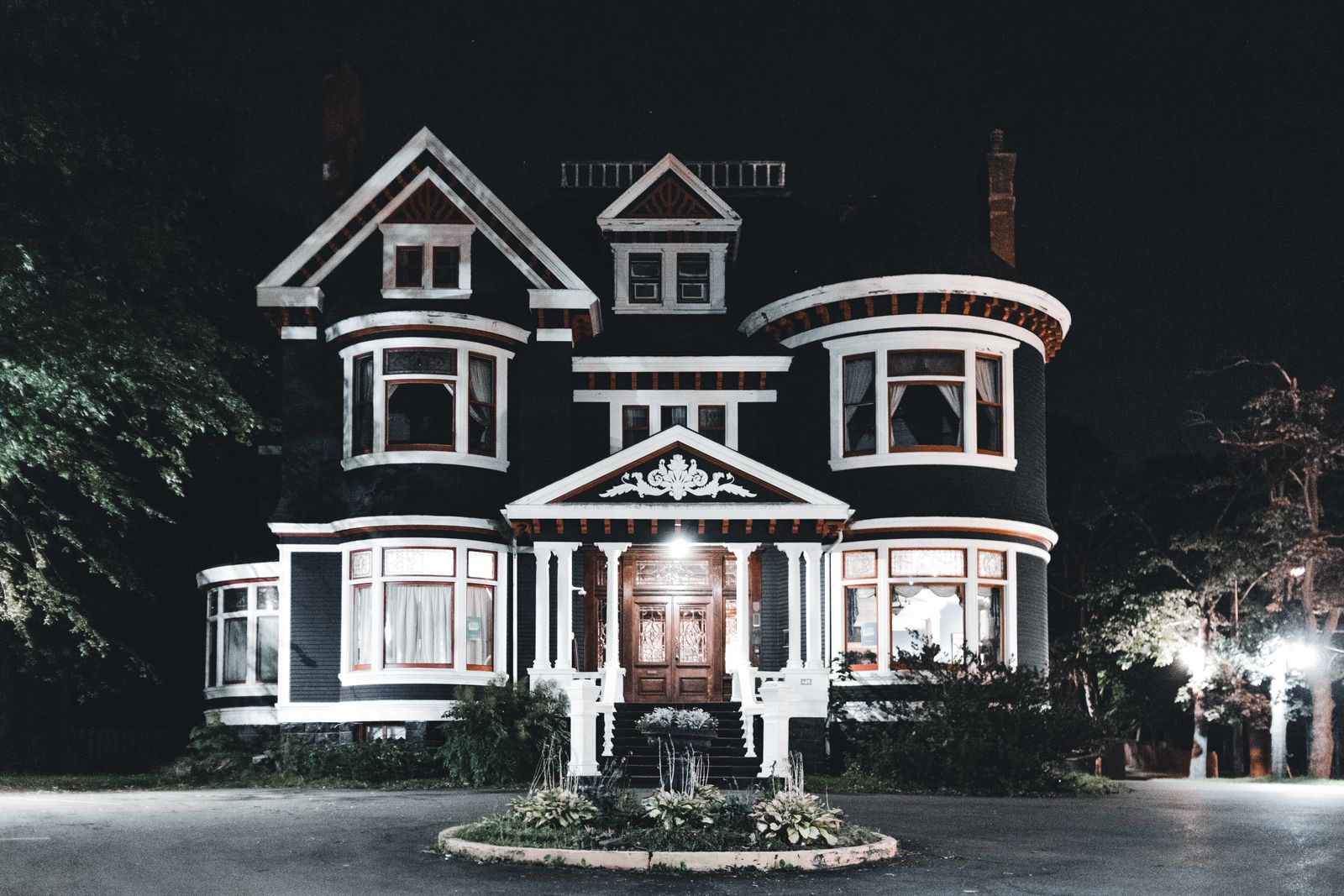
Photo by Erik Mclean on Pexels
| Architectural Parameter | Standard Residential Specification | Optimal Surface Target | Performance Impact |
| --- | --- | --- | --- |
| Mounting Height | 48 to 60 inches off ground level | Exterior entry walls, garage side columns | Maximizes 100-foot roadway visibility and lines up with eye level |
| Solar Exposure Area | 6 to 8 hours direct sunlight | Unshaded Southern or Western wall faces | Powers 600mAh battery for 12 hours of uninterrupted night lighting |
| Color Temperature | 2700K – 3000K Warm White LED | Black frame on light/dark siding | Complements ambient outdoor sconces without harsh 6000K glare |
| Contrast Ratio | Minimum 3:1 visual contrast | White numbers on matte black plaque surface | Ensures immediate daytime readability for delivery drivers |
| Weatherproofing Standard | IP44 Rated ABS & PC housing | Exterior brick, stucco, wood, or vinyl siding | Resists UV degradation, snow accumulation, and driving rain |
Refer to these engineering and placement specifications when installing solar lighted house numbers on residential facades.
Facade Material & Contrast Layout Diagram
Visualizing contrast ratios and offset clearances across various siding textures.
Solar Sign Placement & Style Selector Decision Tree
- Is your front entryway covered by a porch overhang deeper than 24 inches? → Yes: Mount the solar sign on an unshaded garage column or exterior wall receiving 6-8 hours of direct daylight.. No: Proceed to evaluate wall material.
- Is the mounting wall face constructed of brick, stone, or textured masonry? → Yes: Use masonry drill bits and expansion anchors with the provided positioning template paper at 48-60 inches height.. No: Proceed to evaluate siding material and light angle.
- Does the wall face receive south or west daylight exposure during peak afternoon hours? → Yes: Mount plaque directly beside main entryway 48 to 60 inches off the floor.. No: Position plaque on outer wall edge or mailbox post where direct overhead sky is unobstructed.
Pro Architect Tip: Color Temperature & Exterior Lighting Cohesion
When integrating illuminated outdoor fixtures, Kelvin temperature consistency is critical. Standard residential porch lanterns and landscape uplights operate between 2700K and 3000K (warm white). Avoid cheap cool-white (6000K) solar lights that cast a blueish, clinical glare against warm brick or wood siding. A warm white LED solar plaque creates a welcoming, cohesive aesthetic that unifies your exterior architecture while providing high-contrast readability from 100+ feet away.
Architectural Material Compatibility Framework
Selecting the right solar address plaque requires balancing daytime design contrast against nighttime warm LED visibility without conflicting with facade textures or exterior light temperatures.
Best choice for
- Matte Black Frame with Warm White LED — Clean 3:1 contrast and monochrome design complement flat planes, dark trim, and architectural concrete.
- Surface-Mounted High-Contrast Plaque at 54-inch Height — Warm 3000K illumination harmonizes with earth tones, stone veneers, and brass/bronze entry sconces.
- High-Visibility LED Plaque mounted on Entry Gate or Mailbox Column — Bypasses porch shadow while offering clear 100-foot night readability for emergency services.
- Avoid mounting directly beneath deep covered porch eaves (>24 in) where solar panels receive less than 4 hours of daylight.
- Avoid mixing cool-white 6000K LED numbers with warm 2700K-3000K exterior landscape lighting fixtures.
- Mailbox / Post Mounting — Ideal for properties with heavy tree canopies or deep porch shadows blocking house wall exposure.
Recommended Solar Address Signs for Curb Appeal Integration
Upgrade your home's exterior with high-visibility illuminated address technology engineered for weather resistance and timeless architectural style.
Modern & Minimalist Architecture
Modern architectural styles—including Mid-Century Modern, Industrial, and Contemporary Transit designs—rely on clean lineation, neutral color palettes, and functional geometry. Solar illuminated house numbers with a black frame and stark white numeric face serve as an anchor point on smooth stucco, fiber-cement panels, or horizontal slate.Mounting elevated numbers at 54 to 60 inches aligns the plaque with tall entryway doors and contemporary long horizontal door handles. The matte black frame matches dark window mullions, soffits, and fascia boards, providing a sharp 3:1 contrast ratio against light exterior walls during daytime hours.
Craftsman & Arts and Crafts Bungalows
Craftsman homes emphasize natural materials such as cedar shingles, tapered stone columns, and warm stained timber. Adding modern technology to traditional facades requires careful attention to lighting warmth and mounting surfaces.To preserve historical charm, select a black-and-white solar sign emitting a 2700K–3000K warm LED glow. Position the plaque on a flat, untextured section of horizontal clapboard siding or on the main entry trim casing adjacent to dark bronze lantern sconces. The warm illumination echoes classic incandescent lighting, casting an inviting glow across porch entryways while ensuring delivery drivers can easily read numbers from the street.
Colonial Revival & Traditional Brick Homes
Brick and stone masonry present unique visual textures and installation considerations. Red clay brick, dark mortar, and stone veneers create uneven surfaces that can cause shadowing across flat address plaques if mounted flush without care.Using the included positioning paper and expansion anchors, mount the solar plaque into mortar joints rather than face-drilling brick units. This protects structural masonry from cracking. A crisp black frame creates immediate visual separation from multi-tonal red brick, while the automated dusk-to-dawn sensor turns on warm LED backlighting as sunlight fades.
Modern Farmhouse & Board-and-Batten
Modern Farmhouse architecture utilizes crisp white board-and-batten siding accented by black metal roofing, dark gooseneck barn lights, and black window trim. A stylish black-and-white solar house number sign completes this look perfectly.The high contrast of white numeric characters against a black border mirrors the overall color blocking of the home. Mounting the unit on vertical board-and-batten siding beside the main entrance provides immediate legibility for emergency personnel and delivery drivers across 100+ foot setback distances.
Technical Solar Performance & All-Weather Reliability
Beyond aesthetic alignment, address signs must deliver uncompromising functional performance. Solar house numbers are equipped with surface-integrated solar panels charging a 600mAh NI-MH battery. When exposed to 6 to 8 hours of sufficient daylight, the system delivers up to 12 hours of continuous evening illumination.An automated light sensor turns the LEDs on at dusk and off at dawn, eliminating manual switching or external hardwiring. Constructed from durable ABS & PC materials rated at IP44 waterproofing, these plaques resist extreme temperature swings, snow accumulation, heavy summer rain, and UV degradation.
Architectural Style & Address Placement Compatibility Matrix
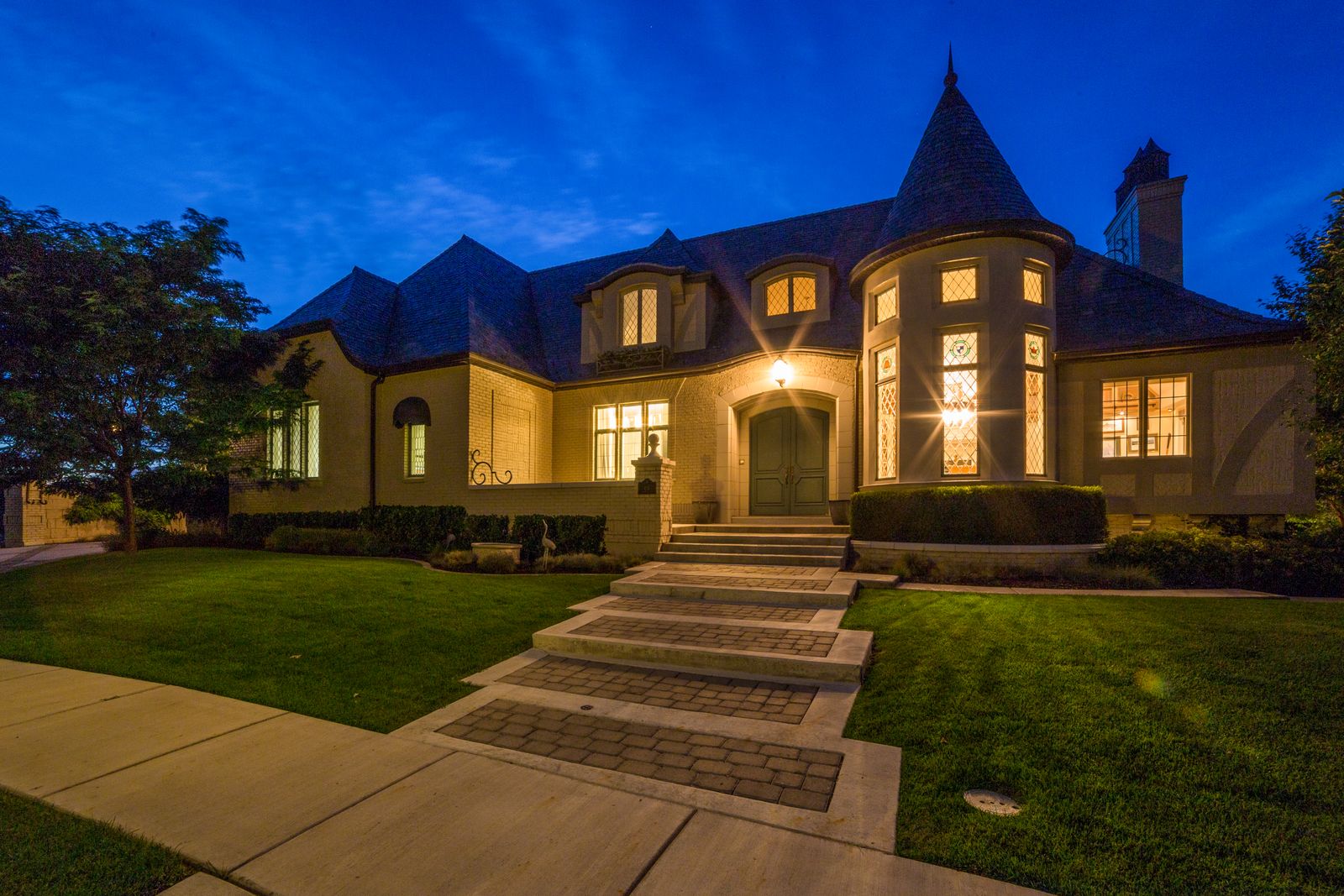
Photo by Get Lost Mike on Pexels
| Architectural Style | Primary Facade Materials | Recommended Mounting Height | Ideal Visual Contrast | Lighting Harmonization Rule |
| --- | --- | --- | --- | --- |
| Modern / Minimalist | Stucco, Fiber Cement, Smooth Concrete | 54 to 60 inches off floor | High contrast black plaque on light gray/white background | Pairs with sleek 3000K recessed soffit downlights |
| Craftsman Bungalow | Horizontal Wood Clapboard, River Stone | 48 to 54 inches off porch floor | Black frame contrast against natural stained timber or cedar | Matches warm 2700K amber brass or bronze lantern sconces |
| Colonial / Traditional | Red Brick, Painted White Siding, Trim Molding | 50 to 56 inches near main doorway | Monochrome black-and-white plaque on textured brick | Harmonizes with classical black iron carriage lights |
| Modern Farmhouse | White Board-and-Batten, Dark Trim, Metal Roof | 48 to 60 inches beside front door | Crisp matte black plaque pop on white vertical siding | Complements dark gooseneck or barn style light fixtures |
| Industrial / Urban Loft | Exposed Brick, Weathered Steel, Dark Mortar | 54 to 60 inches at wall accent line | White LED numeric backdrop against dark masonry | Pairs with exposed filament or Edison-style warm outdoor sconces |
Compare recommended placement parameters, facade material pairings, and visual contrast strategies across common American architectural styles.
5 Architectural Styling Mistakes That Degrade Curb Appeal
Further Reading on Solar Address Signs & Installation
Explore additional guides on solar address plaque installation, visibility standards, and emergency preparedness.
Frequently Asked Questions About Architectural House Number Styling
Answers to common homeowner questions regarding mounting placement, lighting warmth, and battery charging performance.
Implementation Action Plan for Homeowners
Your decision: Determine your home's dominant architectural style and measure entry wall sunlight exposure during peak daylight hours.
Do this next: Select a high-contrast black-and-white warm LED solar address sign and mount it 48 to 60 inches above ground level with direct southern or western sky exposure.
- Read next: How to Position and Install Solar Address Signs on Any Exterior Wall Surface
Solar Lighted House Numbers — Stylish Black and White Warm LED Plaque (IP44 Waterproof, Automatic Dusk-to-Dawn Sensor)
Take the next step in enhancing your home's curb appeal, daytime design balance, and nighttime address visibility.
Cover photo by Robert So on Pexels.