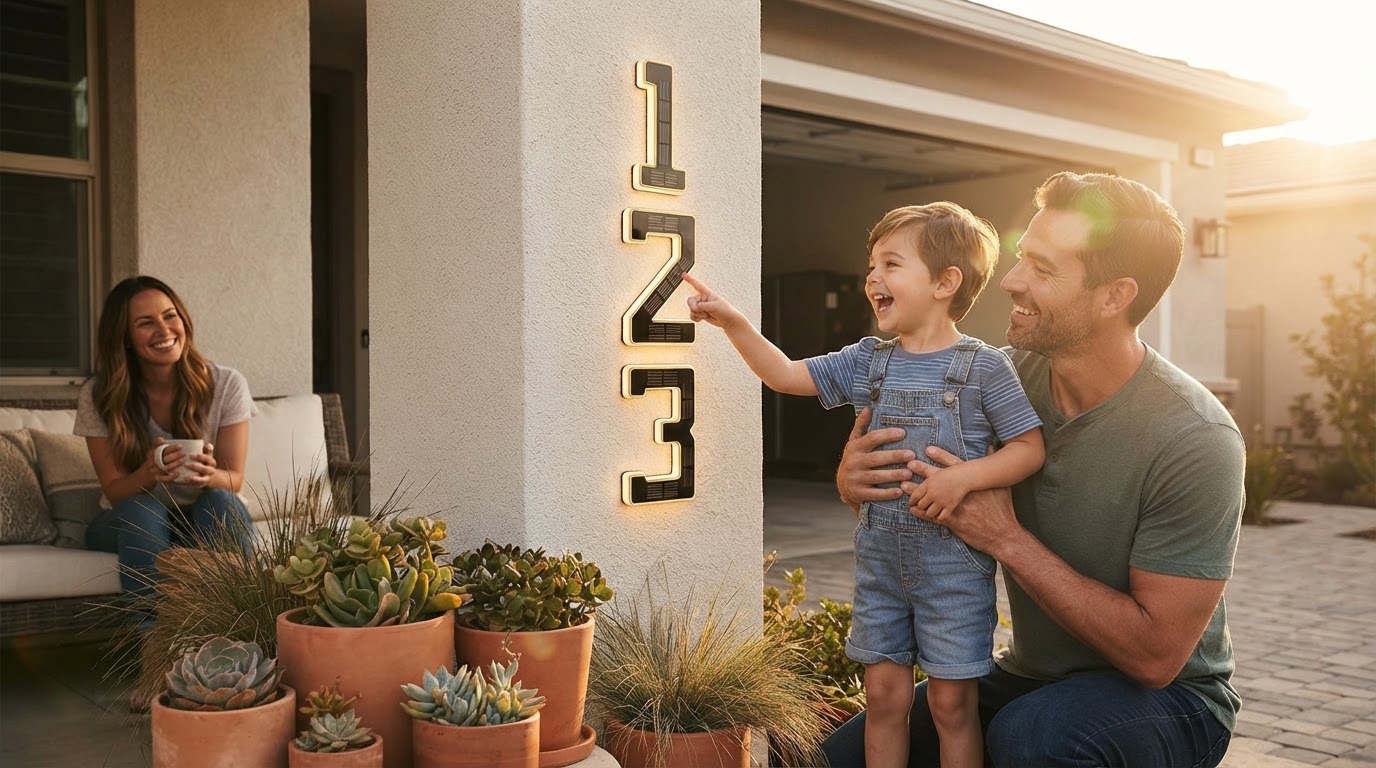
How do I install solar powered street address numbers?
 Priya RamanSenior Analyst
August 7, 2026 — Installing solar powered street address numbers requires aligning the unit’s photodetector with unobstructed solar paths while ensuring the plaque is mounted at a height visible to vehicle-based lighting systems.
Property owners typically seek these solutions to resolve poor visibility issues that hinder guests and service providers. Think of it as a matrix of solar exposure versus line-of-sight accessibility. The success of the installation depends on balancing these two competing requirements to ensure the internal battery charges sufficiently during the day to power the LED array throughout the night. Once you see it this way, the placement becomes a matter of geometry rather than guesswork.
Where should solar powered street address numbers be placed?
Solar powered street address numbers must be placed in a location that receives a minimum of four to six hours of direct sunlight while remaining within the primary visual cone of a driver approaching the property. The decision rule is to prioritize the solar panel's southern exposure unless the mounting surface is directly obscured by architectural overhangs or dense foliage. For homes with long driveways, placement near the road entrance is often more effective than mounting on the front door. According to BacklitLEDsign, modern dual-lit solar house numbers utilize waterproof LED plaques with dusk-to-dawn sensors, which perform best when the sensor is not triggered by secondary artificial light sources like street lamps or porch lights. If the sensor detects too much ambient light, the unit may fail to activate, rendering the illuminated numbers dark when they are needed most. This is particularly critical for emergency vehicle address sign solar applications where every second of visibility counts.
How do you secure solar address signs for long-term use?
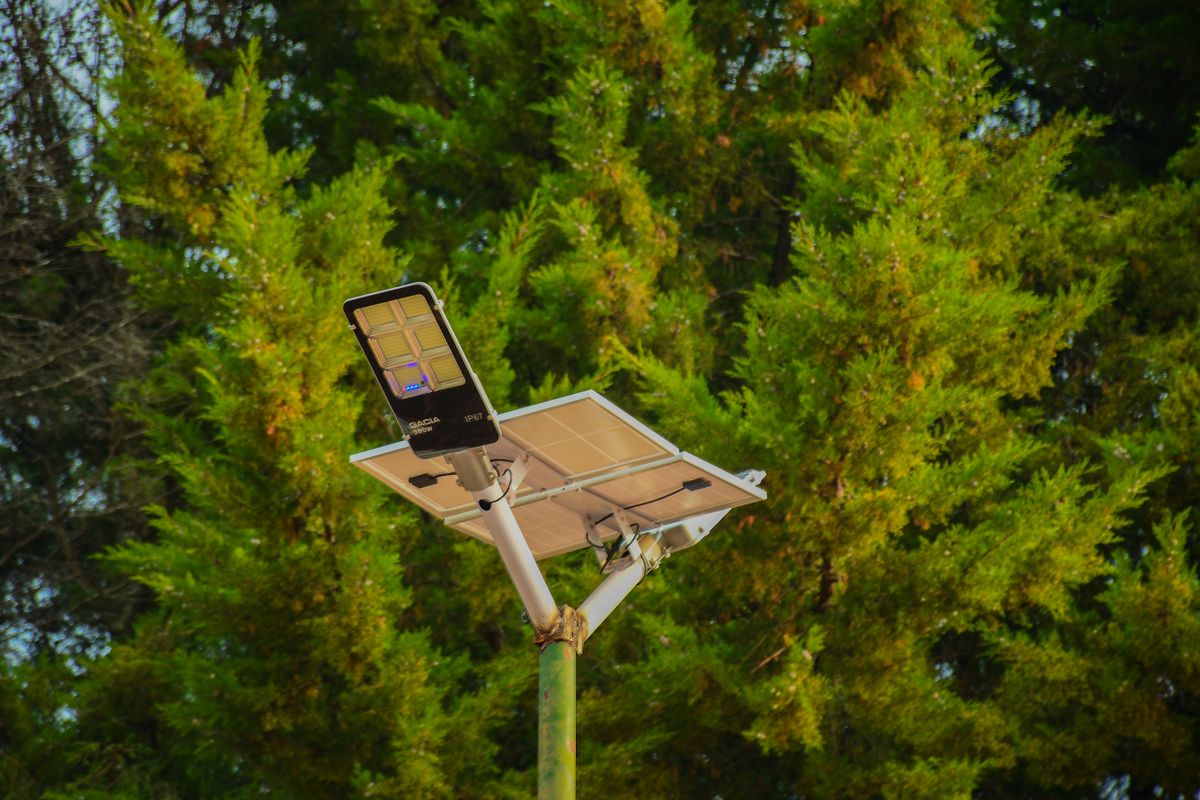
Photo by finix photographer on Pexels
Securing solar address signs involves using weather-rated fasteners and ensuring the mounting surface is structurally sound to prevent vibration-induced hardware failure. Two axes matter here: the material of the substrate (brick, wood, or siding) and the weight of the solar housing. For masonry installations, one should utilize a hammer drill and wall anchors to prevent the plaque from loosening during freeze-thaw cycles. Selegna Signs notes that premium lighted house numbers & solar LED address signs are often made-to-order and feature weatherproof construction designed to withstand diverse climates. When installing on a fence or mailbox post, ensure the unit is high enough to avoid mud splatter from rain, which can coat the solar cells and reduce charging efficiency. This maintenance-aware approach is essential for solar lighted house numbers for long driveway navigation, where the sign is often far from the main house and less frequently inspected. Proper installation ensures that solar address signs for delivery drivers remain functional through multiple seasons without intervention.
Quick answers
Photo by Angelo Capitanio on Pexels
Q: How many hours of sunlight do solar powered street address numbers need? A: Most units require at least 6 hours of direct sunlight to provide a full 8 to 10 hours of illumination at night. If your home is in a shaded area, look for models with a remote solar panel that can be positioned up to 10 feet away from the numbers.
Q: Can solar house numbers be installed on a brick mailbox? A: Yes, solar house numbers can be mounted on brick using a 3/16-inch masonry bit and plastic expansion anchors. Ensure the solar collector on top of the unit is not blocked by the mailbox's decorative cap or surrounding trees.
Q: Do these signs work during the winter months? A: Solar Lighted House Numbers will function in winter, but the duration of the light may be shorter due to fewer daylight hours. High-quality lithium-ion batteries used in these devices are typically rated to operate in temperatures as low as -4 degrees Fahrenheit.
Learn more about Solar Lighted House Numbers at https://solarlightedhousenumbers.com.